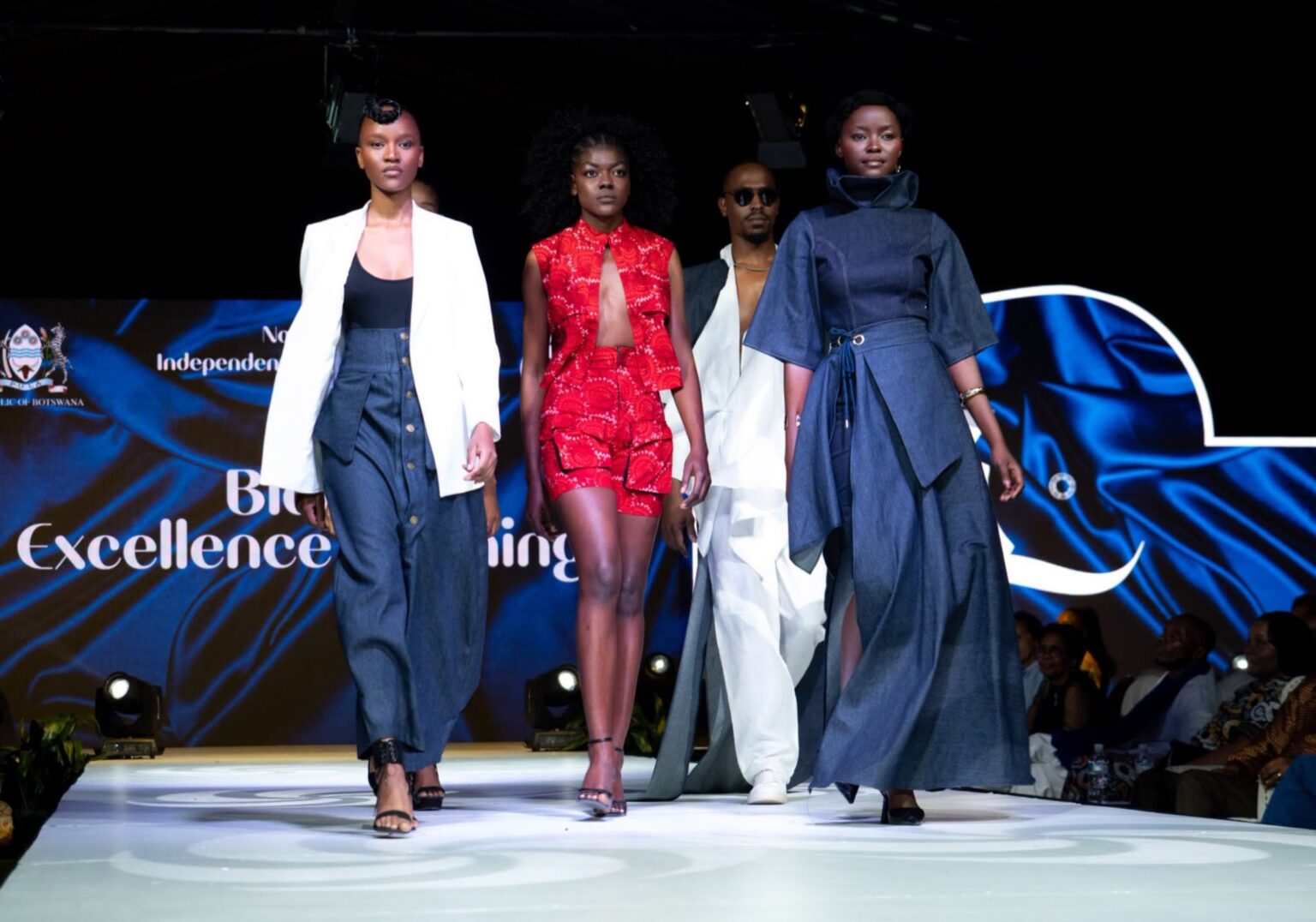
Local fashion designers took audiences on a journey through Botswana’s history and cultural heritage at the Bots60 National Independence Fashion Show in Gaborone. The fashion showcase formed part of celebrations marking 60 years of Botswana’s independence and brought together creativity, culture and national identity on one stage. Designers used clothing to explore different periods in the country’s development, presenting collections inspired by Botswana from independence in 1966 through the 1970s, 1980s, 1990s and 2000s, and into 2026. The event showed that fashion can do more than present new styles, as it can also preserve memories, communicate identity and reinterpret cultural heritage for modern audiences. Through their collections, Botswana’s fashion designers demonstrated how the country’s creative industry can connect the past with the present while creating space for new ideas and artistic expression.
The Bots60 National Independence Fashion Show offered a distinctive way to reflect on Botswana’s journey since independence. Each decade carries its own social and cultural experiences, and fashion can provide a visual way to explore how people expressed themselves during different periods. By drawing inspiration from several decades, the designers created a broader picture of how clothing and style have changed over time. The progression from 1966 to 2026 also placed Botswana’s contemporary fashion within a longer national story rather than treating modern design as something separate from the past. This approach allowed audiences to see fashion as part of the country’s continuing cultural development.
Botswana gained independence in 1966, marking the beginning of a new chapter in the country’s history. The years that followed brought changes in society, culture and everyday life, and these changes influenced how people presented themselves and understood their identity. The fashion collections at the Bots60 celebration drew on different eras to represent this broader historical journey. Moving through the 1970s, 1980s, 1990s and 2000s before reaching 2026 created a visual timeline that showed the changing character of Botswana fashion. The result was a showcase in which clothing became a way to reflect on six decades of national history.
The use of Botswana’s cultural heritage as a source of inspiration was another important feature of the event. Cultural identity can be expressed through clothing, patterns, colours, materials, silhouettes and other elements of design, depending on the creative approach of the designer. Contemporary fashion gives designers an opportunity to reinterpret these influences rather than simply reproducing older forms. This creates room for traditional inspiration to exist alongside modern design concepts. The Bots60 fashion show therefore highlighted how Botswana’s heritage can remain relevant while being presented through new creative perspectives.
The participating designers also demonstrated the creative potential within Botswana’s fashion industry. A fashion industry depends on more than clothing itself, as it involves designers, models, photographers, stylists, manufacturers, retailers, event organizers and other creative professionals. Events that provide local designers with opportunities to present their work can help audiences discover this wider network of talent. They can also create spaces where designers demonstrate their technical abilities, artistic ideas and understanding of the local market. The Bots60 showcase provided such a platform by placing Botswana’s designers at the center of a major national celebration.
For emerging designers, visibility can be an important part of building a career in fashion. A public showcase gives designers an opportunity to communicate their creative identity through complete collections rather than individual garments. It also allows audiences to see the quality and range of work being produced locally. When designers receive opportunities to participate in national events, they can build experience while contributing to the development of Botswana’s creative economy. The presence of local fashion at a major independence celebration also reinforces the idea that creative industries have a place in conversations about national development.
The fashion show also demonstrated the connection between heritage and innovation. Preserving cultural heritage does not necessarily mean keeping cultural expression unchanged. Designers can study historical influences and transform them into contemporary clothing that speaks to modern audiences. This process allows cultural ideas to continue evolving while remaining connected to their origins. By moving from designs inspired by earlier decades toward contemporary creations representing 2026, the Bots60 showcase illustrated how fashion can preserve elements of the past while allowing designers to imagine new forms of expression.
Fashion can also influence how a country presents its identity to both local and international audiences. Botswana has a distinctive cultural heritage, and local designers can play a role in communicating that identity through creative work. When designers draw from national history and cultural traditions, they create garments that can carry meaning beyond their appearance. Such work can encourage conversations about where Botswana has come from, how society has changed and how cultural identity continues to develop. The Bots60 fashion show placed these ideas within a national celebration, giving fashion a meaningful role in marking the country’s 60 years of independence.
The event also highlighted the importance of documenting and reinterpreting Botswana’s cultural story through different forms of creative expression. Historical records often focus on political, economic and social developments, while fashion can capture aspects of everyday identity and personal expression. Clothing can reveal how people respond to changing influences and how communities maintain cultural connections while adapting to new circumstances. By presenting different eras through fashion, the designers contributed another visual interpretation of Botswana’s history. Their work showed that cultural heritage can be explored through creative industries as well as through more traditional forms of historical and cultural preservation.
As Botswana continues to develop its creative sector, fashion presents opportunities for innovation, entrepreneurship and cultural promotion. Local designers can create work that reflects Botswana while also responding to changing consumer preferences and international fashion trends. Developing the industry requires opportunities for designers to gain exposure, improve their skills and connect with audiences and other professionals. National events such as the Bots60 Independence Fashion Show can help create those opportunities by giving local talent a visible platform. They also demonstrate that Botswana’s fashion industry has creative possibilities that extend beyond individual garments to include culture, storytelling and national identity.
The Bots60 National Independence Fashion Show in Gaborone showed how fashion can become part of a wider national conversation about history, culture and identity. By presenting collections inspired by Botswana from 1966 through successive decades and into 2026, local designers created a visual journey through six decades of change. Their work demonstrated the evolution of Botswana fashion while maintaining a strong connection to the country’s cultural heritage. The showcase also gave local designers an opportunity to demonstrate their creativity, talent and capabilities, reinforcing the role of fashion within Botswana’s growing creative sector. As Botswana celebrates 60 years of independence, the event offers a clear reminder that its history can be remembered not only through words and records, but also through the creativity of a new generation of designers who continue to reinterpret the country’s heritage for the present and the future.