Botswana and Mozambique are strengthening cooperation in tourism after the Botswana Tourism Organisation and the National Agency for Tourism Development and Investment, Public Fund, signed a Memorandum of Understanding to advance shared opportunities in the sector. The agreement creates a framework for the two countries to work more closely on tourism investment, destination marketing, research, sustainable tourism and private-sector participation. It also opens the way for new tourism products that connect Botswana’s wildlife and nature-based attractions with Mozambique’s beaches and marine destinations. The partnership comes as both countries seek to increase visitor flows and strengthen their positions in international tourism markets. By working together, Botswana and Mozambique aim to turn their complementary tourism assets into more connected and attractive travel experiences.
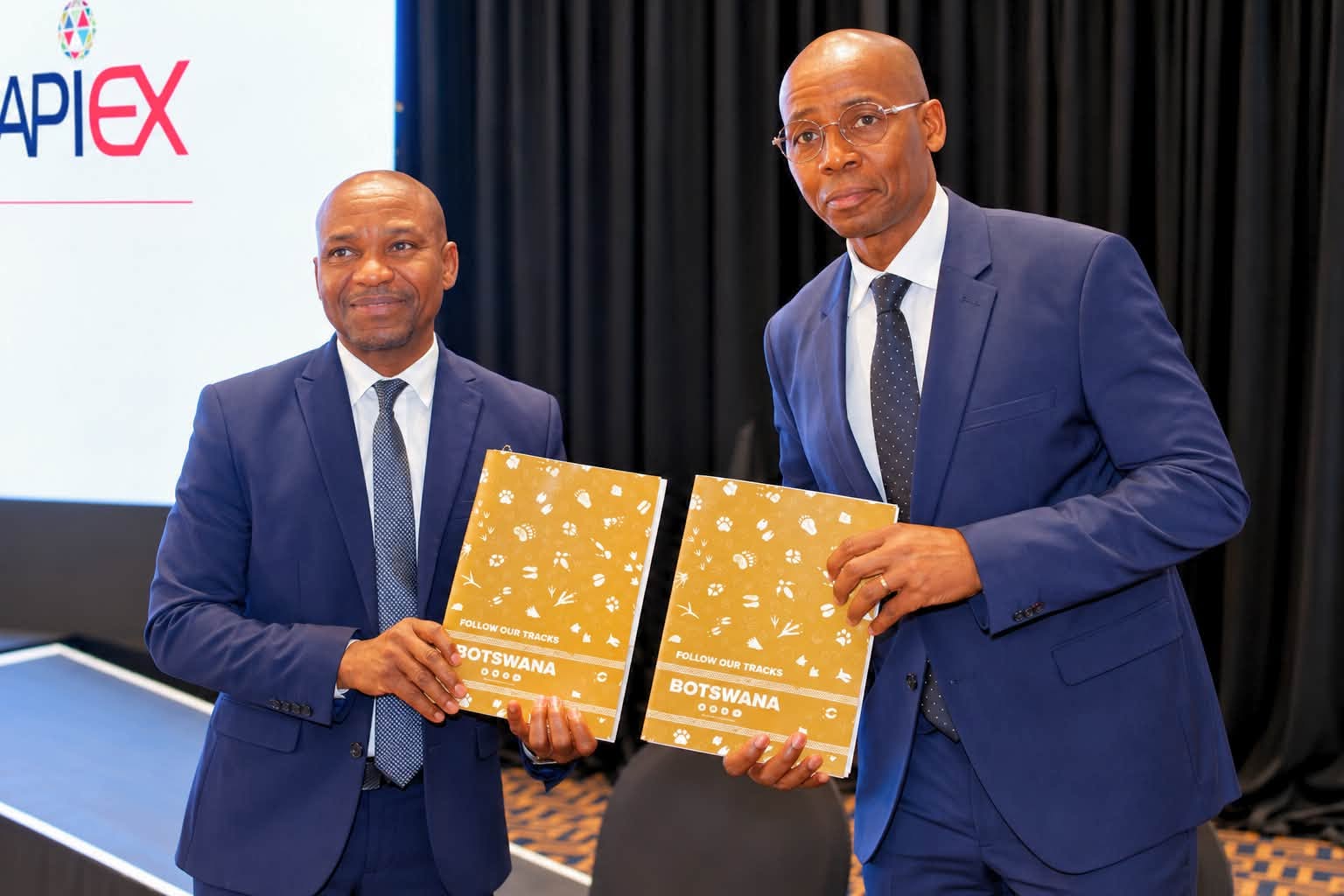
The Memorandum of Understanding was signed by Mr. Justice Ofentse, Acting Chief Executive Officer of the Botswana Tourism Organisation, and Mr. Helder Jauana, President of the Board of Directors of ANDITUR, PF. The signing establishes a formal basis for cooperation between the two tourism institutions. Rather than focusing on a single tourism project, the agreement covers several areas that can support broader development within the sector. These areas include tourism investment, destination promotion, tourism research, market intelligence, sustainable tourism and quality assurance. The agreement also recognises the importance of skills development, business participation and closer institutional coordination.
One of the most significant opportunities under the partnership is the development of multi-destination tourism experiences linking Botswana and Mozambique. Botswana is widely associated with wildlife, conservation areas and nature-based tourism, while Mozambique offers an extensive coastline and opportunities connected to beaches and marine tourism. Combining these different experiences could allow travellers to include both countries in a single regional holiday. A visitor could potentially experience Botswana’s wildlife and natural landscapes before continuing to Mozambique for coastal and marine experiences. Developing such packages would give international travellers another way to explore Southern Africa while encouraging longer and more varied trips within the region.
Multi-destination tourism can also create opportunities for businesses operating across the tourism value chain. Hotels, tour operators, airlines, travel agencies, guides and other tourism businesses can benefit when visitors move between destinations rather than staying in only one country. Joint tourism packages can make it easier for international travellers to understand how different destinations can fit into one itinerary. The Botswana and Mozambique partnership provides a framework for exploring these opportunities through tourism packaging, investment promotion and joint marketing. The practical success of these initiatives will depend on coordination between tourism authorities and private businesses in both countries.
Destination marketing is another important component of the agreement. Botswana and Mozambique can explore joint promotional activities designed to present their tourism offerings as complementary rather than competing products. Joint campaigns could highlight the contrast between Botswana’s inland wildlife experiences and Mozambique’s coastal attractions while promoting Southern Africa as a connected tourism region. Familiarisation trips can also help travel professionals and tourism media gain direct knowledge of destinations and products available in both countries. These activities can contribute to stronger awareness of the two destinations among international travellers and tourism businesses.
Tourism research and market intelligence will also form part of the cooperation framework. Reliable information about visitor preferences, travel patterns and market trends can help tourism authorities and businesses make better decisions. Understanding which markets show interest in wildlife tourism, beach holidays, cultural experiences or combined itineraries can support more targeted tourism promotion. Research can also help identify barriers that may prevent visitors from travelling easily between the two countries. Sharing information and developing stronger market intelligence can therefore support the creation of tourism products that respond more effectively to visitor demand.
Sustainable tourism is another key area covered by the MoU. Botswana’s tourism sector has a strong connection with wildlife and natural landscapes, while Mozambique’s tourism economy includes important coastal and marine environments. Protecting these resources is essential because they form part of the attraction that brings visitors to both countries. Sustainable tourism can help balance economic activity with the long-term conservation of natural and cultural assets. Cooperation between the two countries can support the sharing of approaches to responsible tourism and encourage development that considers environmental and community interests.
Quality assurance is also included in the partnership framework. Maintaining consistent standards in tourism services can influence visitor satisfaction and the reputation of a destination. Quality assurance can involve areas such as accommodation, tour operations, visitor services and other parts of the tourism experience. Cooperation in this area can allow the two institutions to exchange knowledge and explore ways of strengthening tourism standards. Stronger quality practices can support the broader objective of making Botswana and Mozambique more competitive in international tourism markets.
The agreement also places attention on MICE tourism, which refers to meetings, incentives, conferences and exhibitions. This segment can attract visitors who travel for professional events rather than traditional leisure holidays. MICE travellers can generate demand for accommodation, transport, venues, restaurants and other business services. Cooperation between Botswana and Mozambique could create opportunities to promote the two destinations for regional and international business events. Developing this area can also complement leisure tourism by attracting visitors who may extend business trips with tourism experiences.
Skills development forms another part of the cooperation agenda. Tourism depends heavily on people working in areas such as hospitality, guiding, travel management, customer service and destination operations. Building skills within the tourism workforce can improve service quality and create opportunities for people entering or advancing within the sector. Botswana and Mozambique can use cooperation to exchange knowledge and explore opportunities for professional development. Stronger tourism skills can also help businesses respond to changing visitor expectations and international market requirements.
Private-sector engagement will be important in turning the MoU into practical tourism opportunities. Governments and tourism agencies can establish frameworks and promote destinations, but many tourism products are ultimately developed and delivered by private businesses. Tour operators, accommodation providers, airlines and investors will need to identify commercially viable opportunities created by closer cooperation. Investment promotion can help connect businesses with potential projects in both countries. Greater private-sector participation can therefore help move the partnership from institutional cooperation toward actual tourism products and visitor experiences.
Air connectivity and route development are particularly important to the success of multi-destination tourism. Visitors need convenient and reliable ways to move between destinations if they are expected to include both Botswana and Mozambique in the same trip. Cooperation on air routes and visitor mobility can help identify opportunities to improve connections and make regional travel easier. Better connectivity can reduce the practical barriers associated with building cross-border itineraries. The MoU’s inclusion of air connectivity demonstrates that tourism cooperation also depends on transport links that support the movement of visitors between destinations.
The partnership also creates a platform for stronger institutional coordination between Botswana and Mozambique. Regular cooperation can help the two tourism authorities identify projects, address challenges and monitor progress. Structured coordination is important because agreements can only produce lasting results when institutions follow through with practical programmes. The framework provides space for both sides to develop initiatives around marketing, investment, research, sustainability and tourism mobility. Continued engagement can help ensure that the relationship develops beyond the signing ceremony and produces opportunities for businesses and visitors.
For Botswana, stronger tourism cooperation with Mozambique can complement the country’s established reputation for wildlife and nature-based travel. For Mozambique, collaboration provides an opportunity to connect its coastal and marine tourism products with Botswana’s international tourism appeal. The two destinations offer different experiences that can work together within a wider Southern African itinerary. This complementarity gives the partnership a clear basis for exploring multi-country travel packages. It also creates an opportunity to encourage visitors to spend more time in the region by combining several tourism experiences within one journey.
The Botswana and Mozambique tourism partnership reflects a wider effort to deepen regional integration through tourism. Cross-border cooperation can make Southern Africa more accessible to international visitors while allowing individual countries to showcase their distinctive attractions. Increased visitor flows can support tourism businesses and create demand across accommodation, transport, food services, entertainment and other sectors connected to travel. However, achieving these benefits will require effective implementation, strong connectivity and sustained cooperation between public institutions and private businesses. The MoU provides the framework, while practical programmes will determine how successfully the opportunities are developed.
The signing of the Memorandum of Understanding between the Botswana Tourism Organisation and ANDITUR marks an important step toward closer tourism cooperation between Botswana and Mozambique. Its focus extends from investment and destination marketing to sustainable tourism, research, skills development, MICE and private-sector engagement. The proposed combination of Botswana’s wildlife and nature-based attractions with Mozambique’s beaches and marine experiences could create new multi-destination tourism opportunities for travellers. Cooperation on air connectivity and visitor mobility will also be important in making these experiences practical and accessible. As the two countries translate the agreement into concrete programmes, the partnership has the potential to strengthen regional tourism integration and give Botswana and Mozambique a more connected presence in international tourism markets.