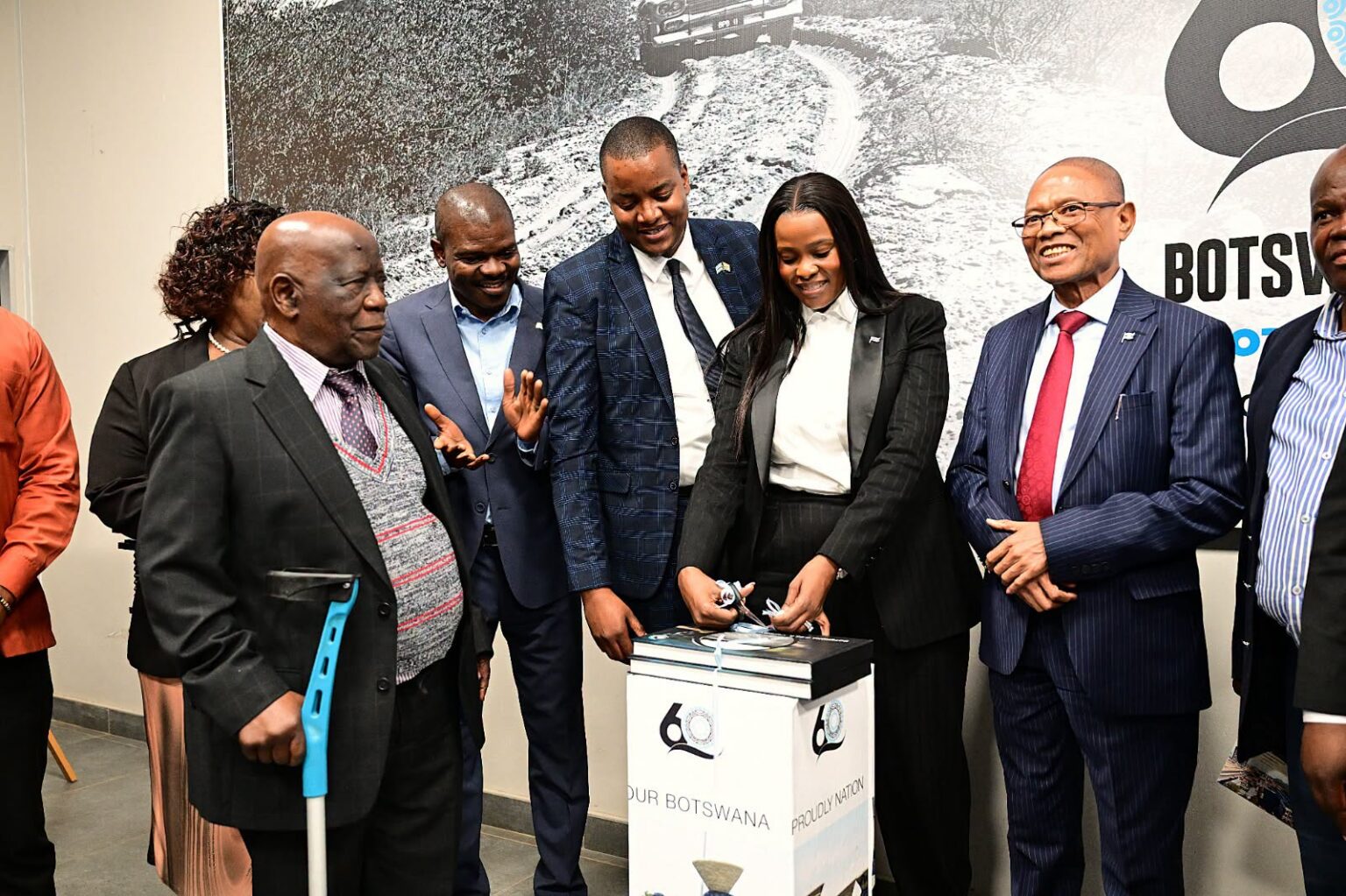
The Department of Information Services has launched a photography exhibition and coffee-table book titled “Botswana @ 60: A Journey Through the Lens” as part of the country’s 60th independence anniversary celebrations. The launch took place yesterday at the National Museum and Monuments in Gaborone, bringing together an important collection of images that documents Botswana’s journey through the decades. The project uses photography to preserve moments from the country’s past while giving present and future generations an opportunity to understand how Botswana has developed. It also places ordinary citizens at the centre of the national story, showing that the country’s history is shaped not only by major political events but also by the daily lives and contributions of its people. The exhibition and accompanying book provide a visual record of Botswana at 60 while creating an opportunity for the public to reflect on the people, communities and experiences that have contributed to the nation’s journey.
Permanent Secretary in the Ministry for State President, Defence and Security, Goitsemang Morekisi, highlighted the importance of the exhibition in helping young people connect with Botswana’s past. She described photography as a valuable tool for preserving and communicating history in a way that can be understood across generations. Images can provide young people with a visual connection to people, places and moments that they may otherwise only encounter through written records or stories. Morekisi also noted that the exhibition would portray the life of an ordinary Motswana, bringing everyday experiences into the broader national narrative. This focus creates an opportunity to recognise the people whose lives and work have formed an important part of Botswana’s development.
Delivering the keynote address, Assistant Minister for State President, Defence and Security, Maipelo Mophuting-Dikoloti, reflected on the ability of photography to preserve memories and connect generations. She highlighted how photographs can bring familiar faces back to life and help communities remember people and moments that might otherwise fade with time. Her remarks encouraged Batswana to look beyond major national milestones when considering the country’s history. She called attention to the contributions of teachers, farmers, health workers, entrepreneurs, civil servants, artists and community leaders who have helped shape Botswana. Their stories demonstrate that national development is built through the combined efforts of people working in different sectors and communities across the country.
The emphasis on ordinary citizens gives the “Botswana @ 60: A Journey Through the Lens” project a broader historical significance. Botswana’s six decades of independence include major political, economic and social developments, but these changes have also affected the everyday lives of ordinary people. Photographs can capture those changes by showing how people lived, worked, dressed, celebrated and interacted with their communities at different points in the country’s history. Such images can also provide valuable material for younger generations who did not experience earlier periods of Botswana’s development. By placing these personal and community stories alongside the broader national journey, the exhibition creates a more detailed picture of what Botswana at 60 represents.
Director Thebeyame Ramoroka provided insight into how the project came together and the thinking behind its development. He explained that the leadership had given the team the space to dream and showcase how Botswana had progressed over the years. The project resulted in an exhibition featuring 60 photographs, while a 200-page coffee-table book was also published to document the country’s journey through images. Ramoroka pointed out that the 60 photographs represent only a fraction of the material held within the department’s collection. This suggests that Botswana possesses a substantial visual archive that could continue to provide valuable material for historical documentation, education and cultural preservation.
The coffee-table book adds another dimension to the exhibition by allowing the collection to reach audiences beyond the physical display at the National Museum and Monuments. A printed visual record can preserve photographs for future generations while giving readers the opportunity to explore Botswana’s history at their own pace. The 200-page publication also demonstrates the scale of the project and the effort involved in bringing together images that reflect different periods and aspects of national life. For researchers, students and members of the public interested in Botswana’s history, such collections can provide useful visual material alongside traditional historical records. The book therefore serves both as a celebration of independence and as part of the ongoing preservation of Botswana’s visual heritage.
The exhibition also highlights the role of government institutions in preserving national memory and making historical material accessible to the public. Photography provides a direct record of people and places, but its value increases when those images are properly preserved, documented and shared. Projects such as this can encourage greater public interest in Botswana’s history and help younger people develop a stronger connection with the generations that came before them. They can also encourage conversations about how communities and individuals have contributed to the country’s development. By bringing the collection into a public space, the Department of Information Services has created an opportunity for Batswana and visitors to engage with the country’s history through a visual medium.
The “Botswana @ 60: A Journey Through the Lens” exhibition is open to the public at the National Museum and Monuments in Gaborone until 30 September. Admission is free, allowing members of the public to experience the exhibition without a cost barrier. The timing of the exhibition makes it a fitting part of Botswana’s 60th independence anniversary celebrations, as the country reflects on its journey since independence. The combination of photography and the coffee-table book ensures that the project captures both the public celebration of the milestone and the personal stories behind it. As Botswana marks six decades of independence, the exhibition provides a meaningful reminder that the country’s history belongs to all its people and that preserving their stories is essential for generations to come.