A child’s general wellbeing is closely connected to their mental health, making emotional and psychological support an important part of healthy development. Adolescence is a critical stage of growth as young people experience significant physical, social and emotional changes that can influence their future. These changes can create pressure and uncertainty, particularly for boys who may struggle to express difficult emotions or seek help when they are experiencing distress. Mental health challenges and substance abuse can further increase the risk of harmful behaviour and make it harder for young people to cope with challenges. Addressing these issues early can help children develop healthier ways of managing emotions while giving them the support they need to grow into confident and responsible adults.
The boy child can face particular challenges during adolescence, especially where social expectations discourage open conversations about emotions and vulnerability. Young boys may feel pressure to appear strong even when they are struggling with anxiety, sadness, anger or other emotional difficulties. When these feelings remain unaddressed, some young people may turn to unhealthy coping mechanisms, including substance abuse and harmful behaviour. This makes it important for families, communities and healthcare providers to create spaces where boys can discuss their experiences without fear of judgement. Encouraging young people to communicate openly can help identify concerns earlier and create opportunities for appropriate support and intervention.
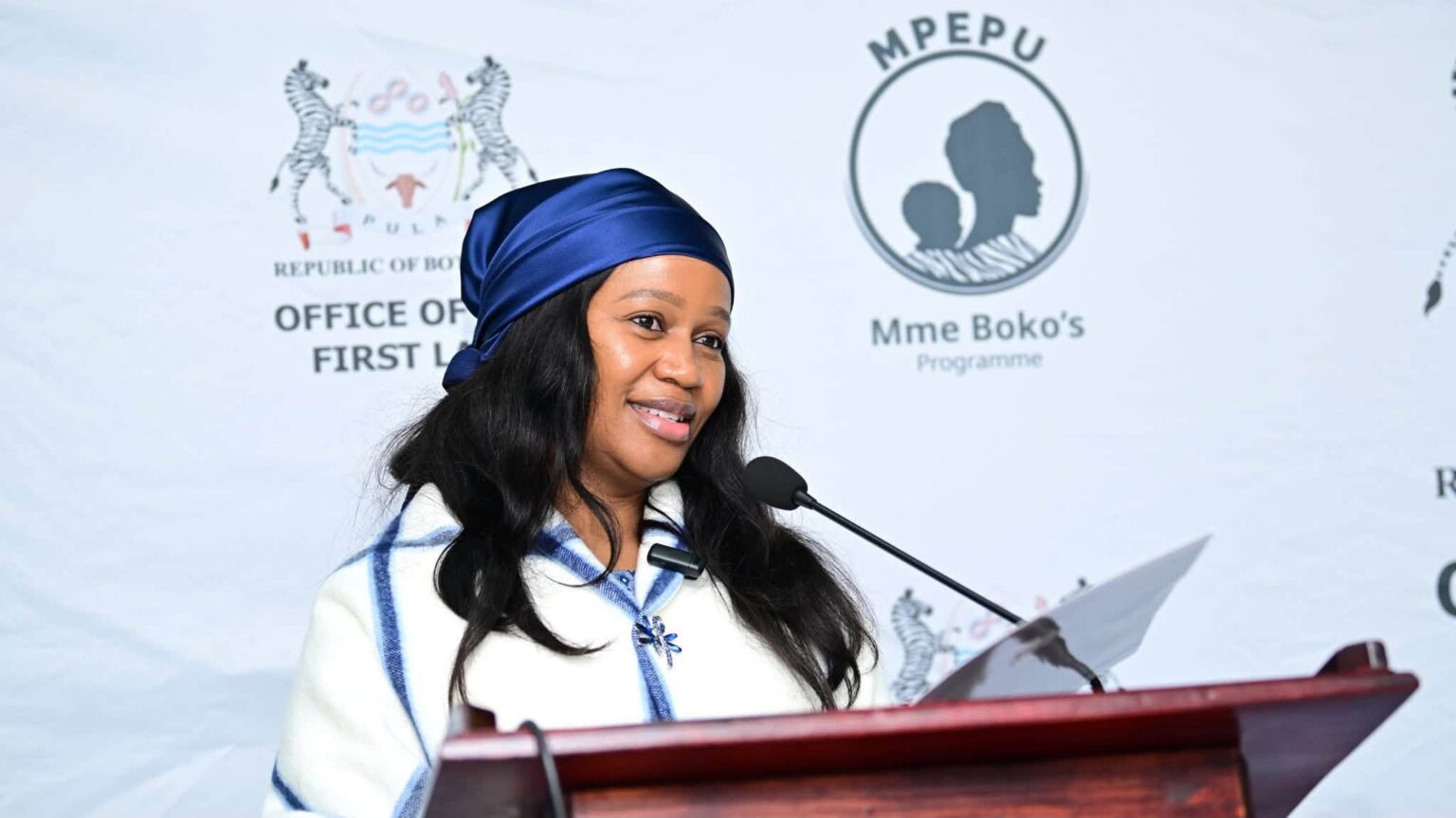
Through the MPEPU Programme, positive masculinity is being promoted as part of efforts to support boys and young men. The approach encourages boys to channel their emotions in positive ways while understanding that vulnerability and empathy are not signs of weakness. Giving young people permission to express themselves can help them build stronger emotional awareness and healthier relationships with others. It can also challenge harmful expectations that prevent boys from seeking assistance when they experience mental health difficulties. Promoting positive masculinity therefore forms an important part of creating healthier environments where young people can understand their emotions and respond to challenges constructively.
As part of efforts to improve the quality of mental healthcare for young people, Kaone Boko, First Lady of Botswana, handed over a refurbished Adolescent Ward and Outpatient Department at S’brana Psychiatric Hospital in Lobatse yesterday. The initiative also included the revitalisation of a garden at the psychiatric hospital, adding an important element to the therapeutic environment available to patients. The improvements are intended to provide young people with a dignified, safe, engaging and age-appropriate environment during their care. A suitable physical environment can make healthcare settings feel less intimidating while supporting patient comfort and participation in treatment. The refurbishment therefore represents an investment in both the facilities and the broader quality of care available to adolescents experiencing mental health challenges.
The refurbished Adolescent Ward and Outpatient Department are expected to support the delivery of mental health services in an environment designed around the needs of young people. Adolescents require care that recognises their stage of development and provides appropriate spaces for treatment, interaction and emotional support. A facility that is safe and engaging can help young patients feel more comfortable while receiving professional care. The revitalised garden also provides an additional space that can contribute to a more welcoming setting within the hospital. These improvements are intended to promote patient comfort while supporting the clinical mental health outcomes that healthcare providers seek to achieve.
The focus on adolescent mental health also reinforces the importance of early intervention and prevention. Mental health challenges can become more difficult to manage when young people do not receive support at an early stage. Parents, caregivers, teachers and other adults who interact regularly with children can play an important role in noticing changes in behaviour, mood or social interaction. Creating an environment where children feel comfortable discussing their experiences can make it easier to identify when professional assistance may be needed. Early support can give young people a better opportunity to develop coping skills and access appropriate care before challenges become more severe.
Parents and caregivers have an important responsibility in creating safe and supportive environments for children. Young people need to know that they are heard, valued, loved and protected, particularly when they are experiencing difficult emotions or circumstances. Listening without immediately judging or dismissing their concerns can encourage children to communicate more openly. Caregivers should also be willing to seek professional assistance when they recognise signs that a child may need additional support. Seeking help should not be viewed as a failure but as an important step towards protecting a child’s wellbeing and supporting early intervention.
The message that it is okay not to be okay is particularly important during adolescence, when young people may struggle to understand or communicate what they are experiencing. Children should know that difficult emotions are part of life and that experiencing them does not make them weak or less capable. What matters is creating safe ways for them to express those emotions and ensuring that they have access to trusted adults and professional support when necessary. The message also challenges the silence that can surround mental health, particularly among boys who may feel pressured to hide vulnerability. By encouraging openness, empathy and positive emotional expression, families and communities can help young people develop healthier attitudes towards their mental wellbeing.
The developments at S’brana Psychiatric Hospital reflect the importance of combining quality healthcare with environments that respect the needs and dignity of young patients. Mental health support for adolescents requires more than clinical treatment alone, as young people also need spaces where they can feel safe, respected and understood. The refurbished facilities and revitalised garden provide an opportunity to strengthen the overall care experience while supporting the continued focus on adolescent mental health. At the same time, programmes such as MPEPU can help address social and behavioural factors that influence how boys understand themselves and respond to challenges. Together, these efforts can contribute to stronger prevention, earlier intervention and better support for young people.
Supporting children’s mental health requires sustained action from families, healthcare professionals, communities and institutions. The focus on positive masculinity can help boys understand that expressing emotions, showing empathy and asking for help are healthy parts of growing up. Improved adolescent mental health facilities can provide young people with appropriate spaces to receive care when they need it. Parents and caregivers can strengthen these efforts by creating homes where children feel safe enough to speak honestly about their struggles. By reminding children that it is okay not to be okay and ensuring that support is available when they need it, Botswana can continue building a stronger foundation for the mental health and wellbeing of its young people.