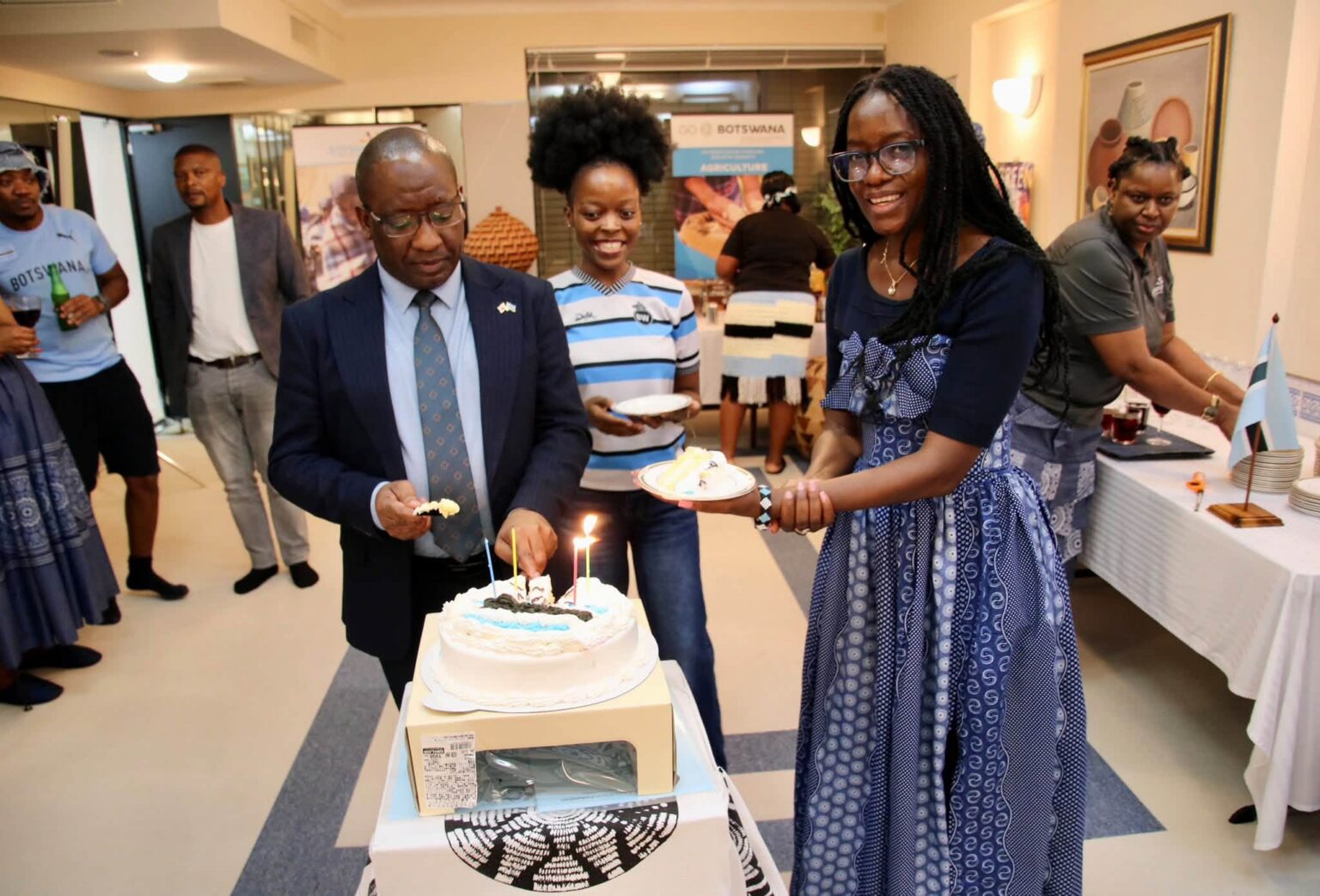
More than 20 Batswana living in Japan gathered on September 19, 2026, to celebrate Botswana’s Independence Day at the official residence of Ambassador Prof. Boga Thura Manatsha. The gathering provided an opportunity for citizens living far from home to reconnect with Botswana’s culture, traditions and sense of community. The celebration combined food, music, games, storytelling and discussions about practical issues affecting Batswana living abroad. It also created space for participants to share experiences from their lives and careers in Japan while considering how those experiences could benefit people back home. At the centre of the event was a simple message from Ambassador Manatsha, who encouraged Batswana to preserve the spirit of community and Botho wherever they live.
For Batswana in Japan, the Independence Day celebration offered more than a social gathering. Living abroad can create opportunities for education, employment and professional development, but it can also make it harder to maintain regular connections with fellow citizens and with the wider community at home. Events that bring citizens together can help strengthen those relationships and create networks that remain useful beyond a single celebration. The gathering in Tokyo provided an environment where Batswana could meet one another, exchange information and discuss shared experiences. Such connections can become especially valuable when people are studying, searching for employment, adapting to a new culture or supporting family members in Botswana.
The cultural programme helped give the celebration a distinctly Botswana character. Guests enjoyed Botswana cuisine and took part in games, traditional songs and dances, creating an atmosphere that connected the community with familiar aspects of home. Storytelling also formed part of the gathering, allowing participants to share experiences and memories in a setting where cultural identity remained central. Food, music and traditional performance can play an important role for diaspora communities because they provide familiar ways of expressing national identity outside the country. For Batswana living in Japan, bringing these elements together helped turn an official Independence Day occasion into a community experience.
The celebration also highlighted the importance of Botho, a principle strongly associated with Botswana’s social identity and values. Botho is commonly understood through ideas of humanity, respect, compassion, dignity and consideration for others. Ambassador Manatsha urged Batswana to hold firmly to the spirit of community and to continue looking out for one another while living abroad. His message placed responsibility toward fellow citizens at the centre of the gathering rather than treating the celebration simply as an annual cultural event. For a diaspora community, that approach can encourage people to share knowledge, provide practical assistance and remain connected even when their individual circumstances differ.
One of the most practical discussions at the event focused on employment opportunities. Batswana shared ideas about communicating job opportunities and making better use of the professional experiences gained by citizens working abroad. International work experience can expose people to different workplace systems, technologies, business practices and professional networks. Sharing that knowledge can help other Batswana understand opportunities outside the country and potentially improve access to employment and career development. The discussions also connected the Botswana diaspora in Japan with a wider national concern, namely the need to expand employment opportunities and address unemployment in Botswana.
The participants also discussed experiences of working abroad and the lessons that can come from living in another country. Batswana who have built careers in Japan may have knowledge that could help others prepare for international employment, including workplace expectations, professional qualifications and the practical challenges of adapting to a foreign environment. Such knowledge can be difficult to obtain through formal channels because much of it comes from personal experience. A stronger community network can make it easier for people to exchange this information and support one another through professional transitions. It can also create opportunities for younger Batswana to learn from citizens who have already established themselves overseas.
Scholarships were another important issue raised during the gathering. Access to education and professional training can have a direct impact on employment prospects, particularly when young people gain qualifications that match emerging labour market needs. Batswana living abroad may be able to share information about universities, scholarship programmes, application processes and areas of study that are relevant to international employment. Improving access to reliable scholarship information can help reduce the gap between opportunities that exist and people who know how to find and apply for them. The discussion in Japan therefore reflected a broader interest in using diaspora networks to improve access to education and professional development.
The welfare of Batswana living in the diaspora also featured in the discussions. Citizens living abroad can face practical challenges involving employment, education, cultural adjustment, social isolation and access to reliable information about services. A strong community network can provide an informal support system for people who may otherwise have limited contact with fellow Batswana. The Independence Day gathering created an opportunity for participants to identify common concerns and consider ways of supporting one another. That type of cooperation can help strengthen the relationship between citizens abroad and their national community.
The gathering also demonstrated how diaspora communities can contribute to Botswana without necessarily being physically present in the country. Batswana living abroad can share skills, professional contacts, business knowledge and information about opportunities in other markets. They can also contribute through mentorship, investment, collaboration and knowledge transfer when suitable opportunities arise. Discussions about employment and scholarships show that diaspora engagement does not have to depend only on financial contributions. Knowledge and networks can also become valuable resources for people seeking opportunities in Botswana or preparing to work internationally.
Japan provides a particularly interesting setting for this kind of community engagement because Batswana living there operate within a society with different cultural practices, educational structures and workplace expectations. Maintaining a connection to Botswana can help citizens navigate life abroad while preserving a sense of national identity. At the same time, living in Japan can provide experiences that broaden professional and cultural perspectives. Bringing those experiences back into conversations with other Batswana can create a two-way exchange between life abroad and national development needs. The Independence Day celebration provided a setting where that exchange could take place informally and collectively.
The timing of the celebration also gave participants an opportunity to reflect on what Botswana’s independence means for citizens living outside the country. Independence Day is not only a commemoration of Botswana becoming an independent nation in 1966. It is also an opportunity to consider the responsibilities and opportunities that come with citizenship. For Batswana abroad, national identity can remain important even when daily life takes place thousands of kilometres from Botswana. Events such as the gathering hosted by Ambassador Manatsha provide a practical way to maintain those connections through shared culture, conversation and mutual support.
The discussions about unemployment add another dimension to the significance of the event. Botswana’s diaspora includes people who have gained experience in sectors and labour markets that may differ significantly from those available at home. Connecting these individuals with young people, employers, institutions and other professionals in Botswana could create channels for knowledge exchange and career development. However, diaspora networks cannot by themselves solve unemployment, which depends on broader economic conditions, investment, skills development and the availability of sustainable jobs. Their contribution can instead form part of a wider effort to expand access to information, strengthen professional networks and connect people with opportunities.
The role of the embassy and its diplomatic representatives is also important in maintaining these connections. An embassy can provide a focal point where citizens abroad can meet, communicate and participate in national events. Hosting community celebrations can help diplomats understand the experiences and concerns of citizens living in the country where they serve. It can also strengthen communication between the diaspora and Botswana’s diplomatic institutions. The Independence Day celebration in Japan showed how a national occasion can provide both a cultural platform and an opportunity for practical community engagement.
Ambassador Manatsha’s emphasis on Botho gave the gathering a clear social message. Supporting fellow citizens does not always require large organisations or formal programmes. It can begin with sharing information about a job, helping someone understand a scholarship application, offering professional advice or simply making sure that another person does not feel isolated while living abroad. These forms of support can become particularly meaningful in a diaspora community where people may be separated from their families and familiar social networks. The message to look out for one another therefore connects cultural identity with everyday actions that strengthen community life.
The September 19 celebration in Japan ultimately showed how Botswana’s diaspora can remain connected to the country while building lives and careers abroad. More than 20 Batswana came together through food, traditional songs, dances, games and storytelling, but the gathering also moved beyond celebration into practical conversations about employment, scholarships and welfare. Those discussions demonstrated the potential value of relationships among citizens living overseas, especially when people share information and professional experience. Ambassador Manatsha’s call to uphold Botho reinforced the idea that national identity can be expressed through mutual responsibility as well as cultural traditions. For Batswana in Japan, the celebration provided a reminder that distance does not have to weaken community, and that strong diaspora connections can continue to support individuals while contributing to wider efforts to create opportunities for people in Botswana.