
Botswana is taking steps to strengthen inclusive education through the development and introduction of a specialised curriculum designed to support learners with Severe to Profound Intellectual and Multiple Disabilities (SPIMD). The Ministry of Child Welfare and Basic Education, through its Department of Curriculum Development and Evaluation, has partnered with UNICEF Botswana to prepare education stakeholders for the implementation of the new curriculum. The initiative was the focus of a four-day workshop aimed at equipping teachers and other relevant stakeholders with the knowledge and skills needed to support learners with complex educational needs. The curriculum is expected to guide teaching, learning and support at the Maun Centre for Special Education and other special education units across the country. The initiative forms part of broader efforts to improve access to quality education and ensure that children with disabilities receive appropriate learning opportunities.
The new SPIMD curriculum is intended to provide a structured educational framework for learners who experience severe to profound intellectual disabilities alongside multiple disabilities. These learners often require specialised teaching approaches, individualised support and learning environments that recognise their different abilities and developmental needs. A standard classroom curriculum may not adequately address the range of challenges they experience. The introduction of a dedicated curriculum will therefore help teachers plan learning activities that are appropriate to each learner’s capabilities. It will also provide guidance on how educational support can be delivered in ways that promote participation, communication and personal development.
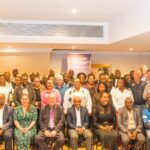
The four-day workshop brought together stakeholders involved in preparing for the curriculum’s implementation. Its main focus was to strengthen understanding of the new educational framework and ensure that those responsible for delivering it are adequately prepared. Successful implementation requires more than introducing a new curriculum document. Teachers, school administrators and other education stakeholders need to understand its objectives and how to apply its guidance in different learning environments. The workshop therefore provided an opportunity to build confidence, improve readiness and encourage a shared understanding of the support required by learners with severe and profound disabilities.
When welcoming participants, Acting Director of Regional Operations, North West, Mrs Chidzani Lempadi, emphasised the importance of preparing all stakeholders for the curriculum rollout. She highlighted the need for teachers and education officials to understand their responsibilities in ensuring that the new framework is implemented effectively. Her remarks recognised that learners with complex disabilities require educational approaches that take account of their individual strengths and support needs. Proper preparation can help teachers become more confident when planning lessons and selecting appropriate learning activities. It can also improve coordination between schools, special education units and other professionals involved in supporting learners.
Mrs Lempadi also highlighted the potential of combining the new curriculum with a Science, Technology, Engineering, Arts and Mathematics (STEAM)-based education approach. STEAM education encourages learners to engage with different areas of learning through practical, creative and interactive activities. In the context of special education, this approach can provide opportunities for learners to demonstrate their abilities in different ways. Not every learner communicates or responds to information in the same manner, making flexibility an important part of effective teaching. By considering different learning methods and forms of participation, teachers can create more inclusive educational experiences that recognise individual capabilities.
The integration of STEAM into special education also creates opportunities to make learning more practical and engaging. Depending on individual needs, learners may benefit from sensory activities, creative expression, visual materials and supported interaction with learning resources. Such approaches can help teachers explore different ways of presenting information and encouraging participation. The purpose is not to expect every learner to achieve the same outcomes through identical activities. Instead, education should recognise individual progress and provide suitable opportunities for learners to develop their abilities. This approach supports the wider goal of making education accessible to children with different learning needs.
On behalf of the Maun Centre for Special Education, Acting Centre Coordinator Ms Duduetsang Moroka welcomed the development and highlighted the importance of appropriate educational support and resources. She explained that resources such as the new curriculum are necessary to help the centre fulfil its mandate effectively. Her remarks reflected the practical challenges faced by institutions responsible for educating learners with complex disabilities. Teachers need clear guidance, suitable learning materials and appropriate support systems to deliver meaningful educational programmes. The new curriculum is expected to help address some of these needs by providing a framework specifically designed for the learners the centre serves.
The Maun Centre for Special Education plays an important role in providing specialised educational support to learners with disabilities. Institutions of this nature require approaches that consider the different ways learners communicate, interact with their surroundings and respond to teaching activities. Appropriate resources can help teachers develop learning experiences that are more relevant to individual needs. The availability of a specialised curriculum can also improve consistency in how educational support is planned and delivered. Extending the curriculum to other special education units nationwide will further support efforts to strengthen specialised education across Botswana.
Teacher preparation will be one of the most important factors determining the success of the new curriculum. Educators working with learners with severe to profound intellectual and multiple disabilities need specialised knowledge, patience and the ability to adapt their teaching methods. They must also understand how to identify individual learning needs and develop activities that encourage participation. Training opportunities can help teachers gain confidence in using alternative communication methods, practical learning resources and appropriate assessment approaches. Continued professional development will remain important as educators gain experience implementing the curriculum in real classroom settings.
Assessment will also require careful consideration because learners with SPIMD may demonstrate progress in ways that differ from traditional academic performance. Some learners may show development through improved communication, greater participation in daily activities or increased interaction with others. Teachers need appropriate methods to observe and record these achievements. Recognising different forms of progress can help educators adjust learning activities and provide more suitable support. A flexible approach to assessment is therefore important in ensuring that learners receive recognition for their individual development.
The partnership between the Ministry of Child Welfare and Basic Education and UNICEF Botswana highlights the importance of cooperation in strengthening the country’s education system. Government institutions provide policy direction and oversee the delivery of education services, while development partners can contribute technical expertise and support for specialised initiatives. Collaboration can help address gaps in educational resources and improve the capacity of institutions responsible for supporting vulnerable learners. It also creates opportunities to share knowledge and strengthen approaches to inclusive education. The four-day workshop demonstrates how partnerships can contribute to preparing education stakeholders for important changes in curriculum delivery.
Inclusive education goes beyond allowing children with disabilities to attend school. It requires educational institutions to recognise differences in learning needs and provide the support necessary for every learner to participate meaningfully. This may involve adapting teaching methods, improving access to learning materials and creating suitable classroom environments. Schools also need to work closely with families and relevant support professionals to understand the needs of individual learners. A specialised curriculum can provide an important foundation for these efforts by helping teachers plan education around the abilities and developmental needs of learners.
For families of children with severe and profound disabilities, access to appropriate education can make an important difference to their children’s development and daily experiences. Parents and caregivers often play a central role in supporting learning beyond the classroom. Strong communication between families and educators can help ensure that the support provided at school reflects each child’s needs. It can also help teachers understand learners’ interests, communication methods and responses to different activities. Building these relationships can strengthen the overall impact of specialised education programmes.
The introduction of the SPIMD curriculum represents an important development in Botswana’s efforts to improve special needs education. Its implementation at the Maun Centre for Special Education and other special education units nationwide will require continued preparation, suitable resources and effective coordination. The four-day workshop provided an opportunity to strengthen stakeholder readiness and establish a shared understanding of the curriculum’s purpose. Mrs Chidzani Lempadi’s emphasis on stakeholder preparation and STEAM-based learning, together with Ms Duduetsang Moroka’s call for appropriate educational resources, highlighted key considerations for successful implementation. With continued investment in teacher development, inclusive teaching approaches and specialised learning materials, Botswana can strengthen educational opportunities for learners with severe to profound intellectual and multiple disabilities and support their right to meaningful, quality education.