Gaborone came to a standstill as Batswana gathered at the Main Mall to mark 60 years of Botswana’s independence. The historic Diamond Jubilee celebration filled the heart of the capital with song, dance, national colours and a strong sense of pride. People gathered to celebrate six decades of independence and reflect on the journey that has shaped Botswana since 1966. The occasion brought together citizens from different generations in a shared celebration of the country’s history, identity and achievements. It was also a moment to look beyond the past and consider the future of Botswana as the country enters its seventh decade as an independent nation.
The celebration marked 60 years since Botswana gained independence on September 30, 1966. The country became an independent republic after the end of British colonial rule, with Sir Seretse Khama becoming Botswana’s first president. Since then, generations of Batswana have contributed to the development of the country and the strengthening of its national institutions. Botswana has built a distinct national identity while maintaining peace and political stability through much of its post-independence history. The 60th anniversary therefore represented an important milestone for a nation reflecting on where it came from and where it wants to go next.
The Main Mall provided a central and highly visible setting for the Independence Day celebrations in Gaborone. The area became filled with people, music, dancing and the colours of the Botswana flag as citizens gathered to participate in the historic occasion. The atmosphere reflected the importance of the anniversary, with public spaces transformed into areas of celebration and national expression. Cultural performances added energy to the event and allowed people to celebrate Botswana’s heritage through music and dance. The gathering also demonstrated how national celebrations can bring people together around a shared sense of identity and belonging.
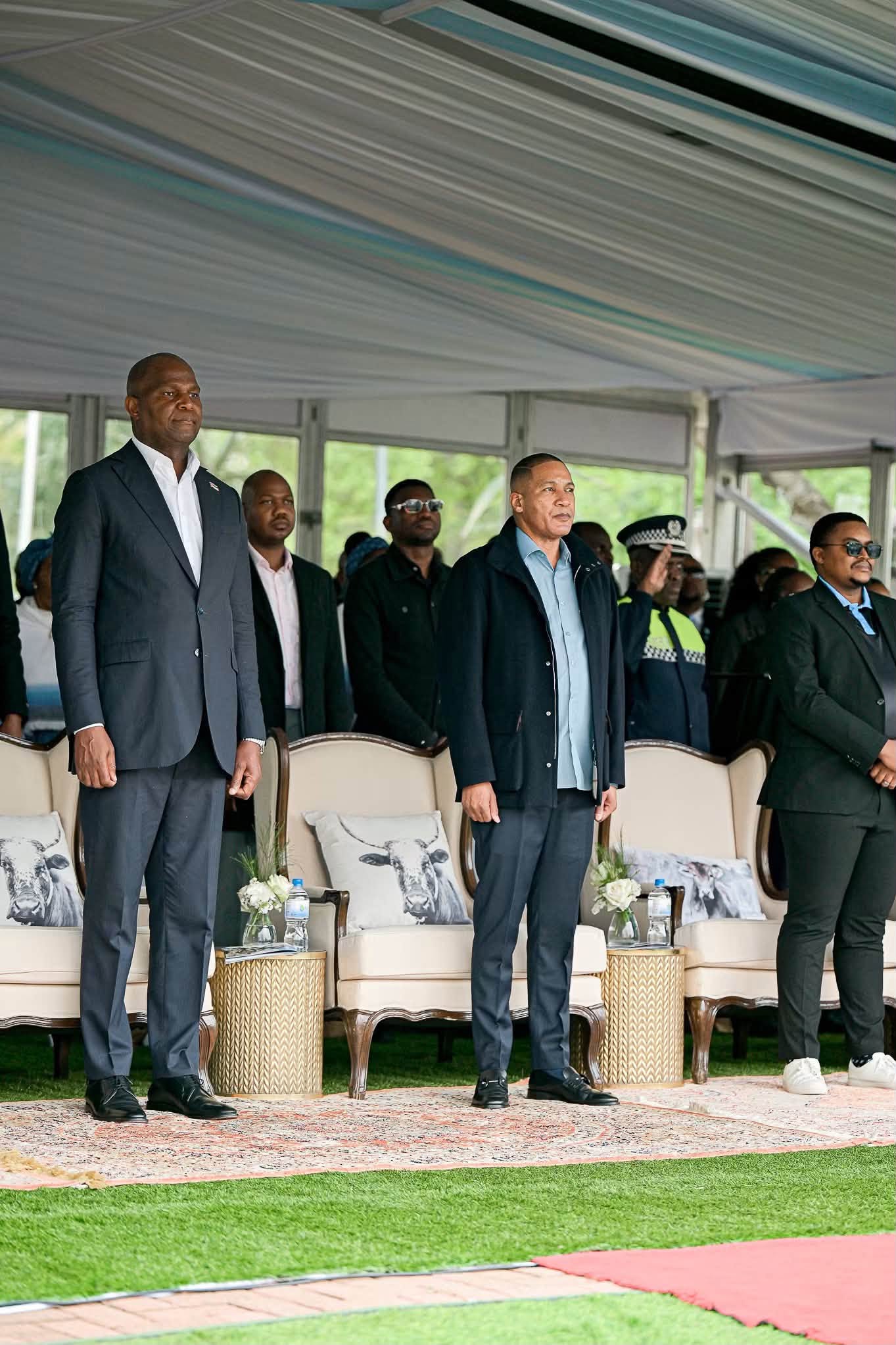
Among those who joined the public celebration were President Advocate Duma Gideon Boko and His Excellency President Daniel Francisco Chapo of Mozambique. President Chapo was in Botswana for a three-day State Visit from September 28 to September 30, coinciding with the country’s 60th Independence Day celebrations. Their presence at the Main Mall attracted considerable public attention as the two presidents stood among scores of Batswana taking part in the celebrations. They did not address the gathering, but instead joined citizens in observing the occasion. Their participation created a notable moment of solidarity between Botswana and Mozambique during an important national milestone.
The presence of President Chapo also highlighted the longstanding relationship between Botswana and Mozambique. The two neighbouring countries have maintained diplomatic relations for decades and continue to cooperate in areas of mutual interest. His State Visit provided an opportunity for the two governments to strengthen that relationship through discussions and formal agreements. Eight bilateral agreements were signed during the visit, covering areas of cooperation between the two countries. The agreements added a diplomatic dimension to Botswana’s Independence Day celebrations and demonstrated the continued importance of regional partnerships.
The State Visit also placed attention on practical areas of cooperation that can support development in both countries. Botswana and Mozambique have opportunities to expand cooperation in sectors such as tourism, agriculture, trade, energy, transport, science and technology. Stronger links between the two countries can support greater regional integration and create opportunities for businesses, institutions and communities. The relationship also reflects Botswana’s position within the wider Southern African region, where cooperation between neighbouring countries remains important for economic development. President Chapo’s participation in the Independence Day celebrations therefore carried significance beyond the ceremony itself.
For Batswana, however, the focus remained firmly on the meaning of independence and the journey of the nation over six decades. The celebration recognised the generations who helped build Botswana after independence and contributed to the country’s development. It also honoured the founders of the nation and the citizens who continued their work through changing economic and social conditions. The gathering brought together older generations who remember the early years of independence and younger Batswana who have grown up in a modern Botswana. Their presence together reflected the continuity between the country’s past, present and future.
Botswana’s development over the past 60 years has been closely connected to the responsible management of its natural resources and the growth of its economy. Diamonds have played a major role in the country’s economic development, helping finance infrastructure, public services and national development programmes. At the same time, dependence on mineral wealth has highlighted the importance of economic diversification. As Botswana moves into its seventh decade, creating new industries and expanding opportunities outside traditional economic sectors will remain an important national priority. The goal is to build an economy that can create wider opportunities and remain resilient as economic conditions change.
The Independence Day celebration also reflected a broader desire for an inclusive and prosperous future. Botswana’s natural resources form an important part of the country’s wealth, but questions about how that wealth can create opportunities for ordinary citizens remain central to national development. Economic diversification, employment, entrepreneurship, education and investment can all contribute to creating a stronger economic foundation. The future will require continued attention to how national resources are managed and how economic opportunities are distributed across communities. The 60th anniversary offered a moment to celebrate past progress while recognising that development remains an ongoing process.
Culture played a central role in the celebrations at the Main Mall. Song and dance created an atmosphere of joy while giving citizens an opportunity to express their national identity through familiar cultural traditions. The colours of the Botswana flag added a strong sense of unity to the gathering and served as a visible reminder of the national occasion. Cultural celebrations also help preserve traditions and connect younger generations with the heritage of their country. At a major anniversary such as the Diamond Jubilee, these elements become an important part of how a nation remembers and celebrates its history.
The gathering in Gaborone also demonstrated the emotional importance of Independence Day in Botswana. National anniversaries provide an opportunity for citizens to pause from everyday life and reflect on the meaning of sovereignty, citizenship and national identity. For many Batswana, the 60th anniversary represented more than a historical date because it connected personal experiences with the wider story of the country. Families, communities and generations could celebrate together while remembering the people who contributed to Botswana’s development. The result was a public occasion shaped by both national pride and a sense of responsibility for the future.
As the celebrations continued, attention naturally turned toward the next stage of Botswana’s journey. The country enters its seventh decade with opportunities to strengthen economic diversification, develop new industries, support innovation and create broader opportunities for citizens. It also faces challenges that require long-term planning and cooperation across government, business and communities. Building a prosperous future will require more than celebrating past achievements, as it will depend on practical action and sustained investment in the country’s people and institutions. The aspirations expressed during the Diamond Jubilee therefore point toward a future in which Botswana seeks to build greater resilience while ensuring that development benefits its citizens.
Botswana’s 60th Independence Day at the Main Mall brought together history, culture, diplomacy and national pride in the heart of Gaborone. Batswana gathered to celebrate six decades of independence while remembering the founders and generations who helped build the modern Republic of Botswana. The participation of President Duma Boko and President Daniel Chapo added a significant regional dimension to the occasion and reflected the continuing relationship between Botswana and Mozambique. The celebration also provided an opportunity to consider the work required to build a more diversified, inclusive and prosperous nation. Sixty years stand behind Botswana, while the next chapter now lies ahead.