
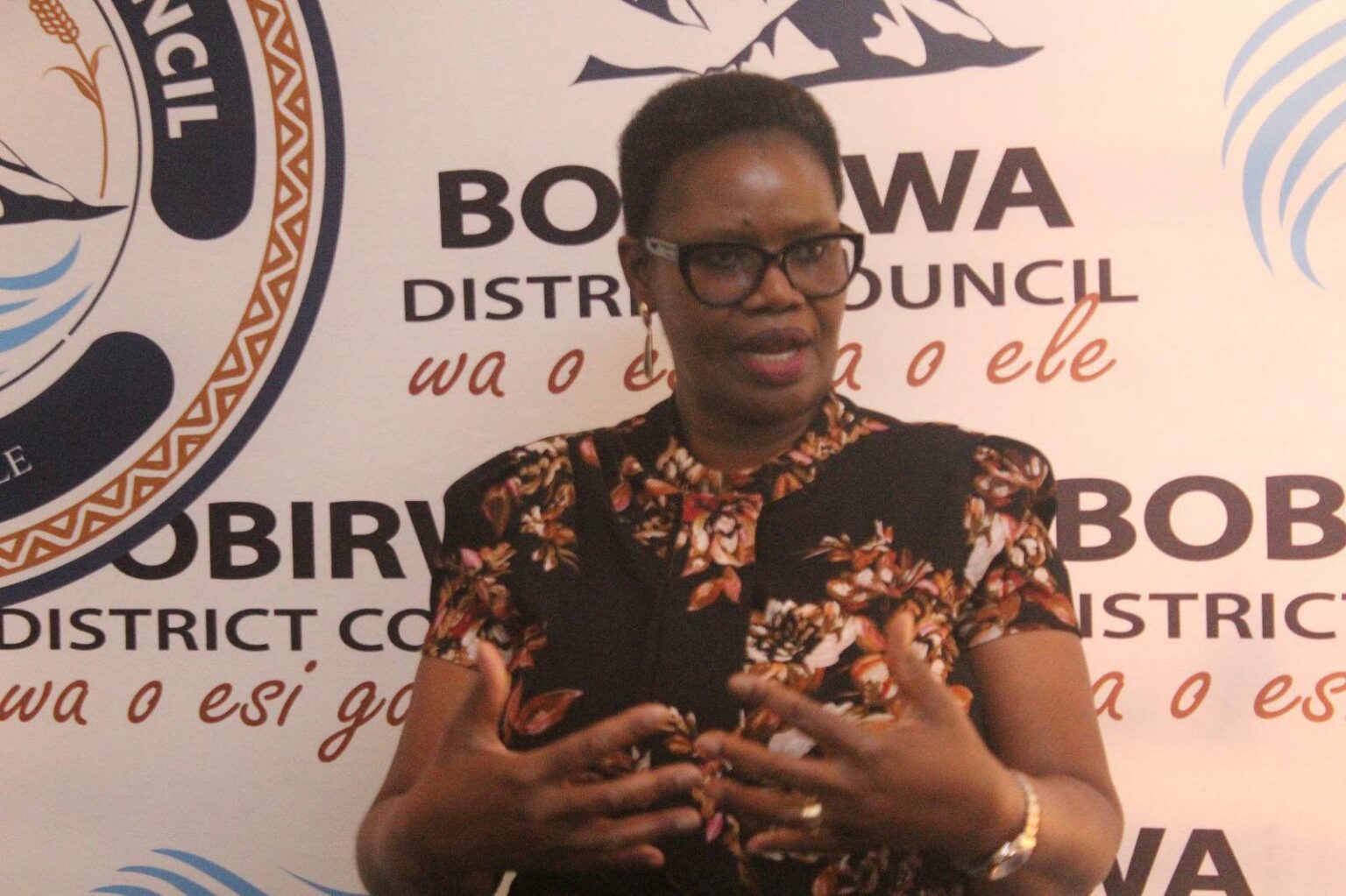
Botswana is taking steps to strengthen the protection of children by reviewing its Children’s Act of 2009 to ensure that national laws remain aligned with international child rights obligations. On 10 September 2026, the Ministry of Child Welfare and Basic Education, through the Department of Learner Support Services, continued stakeholder consultations with the Bobirwa District Council as part of the review process. The consultations provide an opportunity for stakeholders to identify areas where the existing legal framework may no longer adequately address the challenges facing children. The review comes at a time when children face both longstanding protection concerns and new risks linked to technology and online environments. By updating the law, Botswana aims to create a stronger and more responsive child protection framework that places children’s rights, safety, dignity and well-being at the centre of national development.
A major focus of the review is addressing violence, sexual abuse and exploitation affecting children. These concerns require strong legal protections and effective systems that allow cases to be identified, reported and addressed appropriately. The review will also examine child labour and trafficking, which can expose children to serious harm and interfere with their education, development and well-being. Online safety has also become an increasingly important issue as children spend more time using digital platforms and accessing online services. By including these risks in the review, Botswana can work towards a legal framework that responds to both established child protection challenges and emerging threats.
The review will also consider the country’s alternative care system and the coordination of institutions responsible for protecting children. Children who cannot remain safely with their families may require alternative care arrangements that protect their rights and support their development. Effective protection also depends on different institutions working together rather than addressing cases in isolation. Government departments, social services, schools, law enforcement agencies, the justice system and other organisations all have important roles to play in responding to child protection concerns. Strengthening coordination between these institutions can help ensure that children receive appropriate support and that cases are handled with greater consistency.
Another important objective of the review is to identify gaps, inconsistencies and fragmented areas within legislation affecting children. Laws that address children’s rights and protection need to work together clearly so that families, institutions and authorities understand their responsibilities. Where legislation contains gaps or overlapping provisions, it can make it more difficult to respond effectively to situations involving children. Updating the Children’s Act provides an opportunity to address these weaknesses and create a clearer legal framework. A more coherent system can also improve accountability by establishing clearer responsibilities for those involved in protecting children.
Technology has created new opportunities for children to learn, communicate and access information, but it has also introduced risks that were less prominent when the Children’s Act was passed in 2009. Online abuse, exploitation and other digital safety concerns require legal and institutional responses that reflect the realities of modern childhood. The review will therefore help Botswana modernise its child protection laws to respond to new and emerging risks associated with technology. This includes considering how children can be protected while still being able to benefit from digital platforms and services. A modern legal framework needs to recognise these changing circumstances and provide appropriate safeguards for children in both physical and digital environments.
The revised Act is also expected to clarify the responsibilities of government, families, communities and other stakeholders involved in protecting children. Child protection cannot depend on a single institution because children interact with families, schools, communities and public services every day. Clear responsibilities can help ensure that concerns are identified earlier and that the appropriate authorities or support structures respond when intervention is required. Stronger accountability can also help improve the implementation of child protection policies and laws. This approach recognises that protecting children requires shared responsibility across society.
Children’s participation in decisions that affect them is another important element of the proposed reforms. The review seeks to ensure that children have meaningful opportunities to express their views in matters concerning their lives. Listening to children can help decision-makers better understand the challenges they experience and the support they need. Meaningful participation also recognises children as rights holders rather than simply recipients of protection and services. Ensuring that their voices are considered in decisions and reforms affecting them can contribute to a child protection system that is more responsive to their experiences and needs.
The review also aims to strengthen cooperation among government departments, families, schools, communities, law enforcement agencies, the justice system and civil society. Effective cooperation can help create a more connected child protection system in which information, responsibilities and interventions are better coordinated. Schools and communities can play an important role in identifying concerns, while law enforcement and the justice system have responsibilities when children are exposed to abuse, exploitation or other forms of harm. Families remain central to children’s well-being, while government institutions and civil society organisations can provide specialised services and support. Bringing these stakeholders together through the consultation process can help develop reforms that reflect the realities faced by children and communities across Botswana.
The continued consultations with the Bobirwa District Council therefore represent an important stage in Botswana’s efforts to strengthen its child protection system. Reviewing the Children’s Act of 2009 provides an opportunity to address existing weaknesses while preparing the legal framework for emerging challenges, particularly those linked to technology and online safety. The proposed reforms also place greater emphasis on coordination, accountability and the meaningful participation of children in matters affecting them. A stronger and more modern legal framework can help ensure that institutions understand their responsibilities and that children receive appropriate protection and support. As the review process continues, its success will depend on translating these priorities into effective laws and systems that ensure every child in Botswana can grow up with their rights, safety, dignity and well-being protected.