
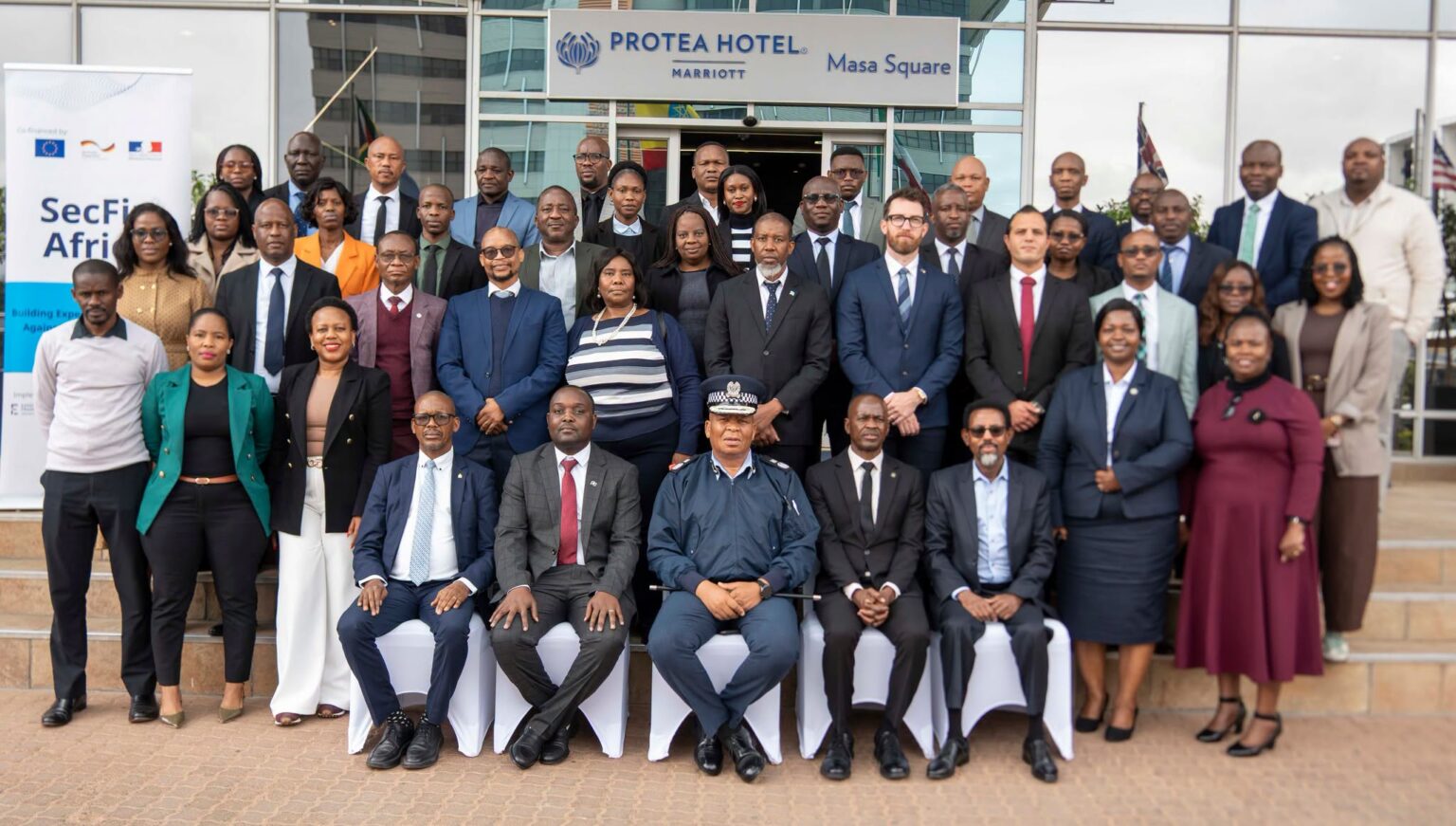
The Botswana Police Service is strengthening its response to financial and transnational organised crime through a three-day national training workshop focused on the INTERPOL Silver Notice and other international policing capabilities. The workshop is taking place from 9 to 11 September 2026 in Gaborone and brings together law enforcement agencies, regional organisations and international partners. The INTERPOL Silver Notice is an international alert tool designed to help locate, identify and trace illegal assets and laundered money connected to serious criminal activity. Its introduction and use can strengthen the ability of authorities to follow financial trails that extend beyond national borders. The workshop therefore represents an important step in improving Botswana’s capacity to investigate complex financial crimes and disrupt criminal networks by targeting the assets that sustain them.
The training focuses on strengthening practical capabilities in financial intelligence, asset tracing and recovery while improving cooperation between institutions involved in the fight against financial crime. Botswana is hosting the workshop in collaboration with the INTERPOL Regional Bureau for Southern Africa, the Southern African Development Community (SADC), the European Union, the INTERPOL Financial Crime and Anti-Corruption Centre and CIVIPOL through the SecFin Africa Programme, among other stakeholders. The broad partnership reflects the increasingly international nature of financial crime, where illicit funds can move through multiple jurisdictions and criminal networks can operate across borders. Effective investigations therefore require law enforcement agencies to share information and coordinate their efforts. Building these connections can make it harder for criminals to conceal, transfer or benefit from proceeds linked to organised crime.
Delivering the keynote address, Acting Commissioner of Police Katlholo Mosimanegape said the training demonstrates Botswana’s commitment to strengthening investigative capabilities and confronting increasingly sophisticated financial and organised crimes. Criminal networks continue to adapt their methods as law enforcement agencies improve their ability to detect illegal activity. This creates a need for investigators to develop specialised skills that can help them identify financial links, trace assets and build stronger cases. The focus on INTERPOL policing capabilities gives participants an opportunity to understand how international cooperation and specialised tools can support domestic investigations. It also reinforces the importance of keeping law enforcement practices aligned with the changing nature of financial and transnational crime.
Mosimanegape highlighted the serious economic consequences associated with illicit financial flows and corruption. He said recent estimates suggest that these activities cost Botswana up to P4.2 billion annually, undermining public investment and limiting opportunities for citizens, particularly young people. Money lost through corruption and illicit financial activity can reduce the resources available for development and weaken the impact of public spending. The consequences can therefore extend beyond individual criminal cases and affect communities and the country’s broader economic prospects. Addressing these financial losses requires authorities to strengthen their ability to identify criminal proceeds, trace assets and pursue recovery through appropriate legal mechanisms.
The Acting Commissioner also stressed that no single institution can effectively address the growing threat of financial crime on its own. Financial investigations can involve law enforcement agencies, financial intelligence structures, regulatory authorities, prosecutors and other institutions with access to relevant information. Bringing these stakeholders together can improve communication and help ensure that financial intelligence becomes useful investigative evidence. The national workshop provides a platform for these institutions to develop a shared understanding of the tools available to them and the importance of coordinated action. Stronger institutional cooperation can ultimately improve the country’s ability to detect financial crimes and respond to organised criminal activity.
Representative from the INTERPOL Regional Bureau for Southern Africa and Regional Security Officer Matthew Shipanga highlighted the need for coordinated international action against increasingly sophisticated criminal networks. He noted that criminal actors are becoming more audacious and difficult to detect, creating a need for law enforcement agencies around the world to respond with equally coordinated and innovative approaches. Criminal groups can exploit differences between jurisdictions and use complex financial arrangements to hide the origins and destinations of illicit funds. International policing cooperation can help close some of these gaps by allowing authorities to exchange information and work together across borders. The Silver Notice is particularly relevant to this effort because it focuses attention on identifying and tracing assets connected to serious criminal activity.
Shipanga further emphasised that experience has shown one of the most effective ways to combat organised crime is to deprive criminal networks of their illicit profits. Financial disruption can weaken criminal organisations by removing the resources they use to sustain their activities and expand their operations. Asset tracing and recovery can therefore complement traditional investigations that focus on identifying offenders and gathering evidence about criminal acts. When authorities can establish links between illegal activity and assets, they can pursue appropriate measures to prevent criminals from continuing to benefit from their proceeds. This approach places financial intelligence at the centre of broader efforts to dismantle organised criminal networks.
SADC Representative Mr Talent Chabata commended Botswana for setting an example in strengthening the tracing and identification of illicit assets across borders. He expressed hope that Botswana’s initiative would encourage other SADC countries to adopt the Silver Notice and eventually make it a standard tool for addressing illicit financial flows across the region. A wider regional approach could strengthen cooperation between countries dealing with criminal networks that operate across multiple borders. It could also improve the ability of authorities to follow assets when criminals attempt to move or conceal them in another jurisdiction. Greater consistency in the use of international policing tools could therefore contribute to a stronger regional response to money laundering, corruption and organised crime.
The workshop forms part of a broader action plan established between INTERPOL and the Southern African Regional Police Chiefs Co-operation Organisation (SARPCCO). This framework reflects the need for police services in the region to strengthen cooperation as criminal activity becomes increasingly interconnected. Participants are expected to gain practical knowledge that can support financial intelligence gathering, asset tracing and recovery during investigations. These skills can help investigators identify financial relationships and follow proceeds that may otherwise remain hidden across different jurisdictions. Strengthening these capabilities also supports wider efforts to combat money laundering, corruption and transnational organised crime.
The focus on asset tracing and recovery is significant because financial investigations can reveal information that traditional investigative approaches may not immediately uncover. Criminal networks often depend on money and property generated through illegal activities, making financial intelligence an important component of efforts to disrupt them. Identifying and recovering illicit assets can also support accountability by ensuring that criminal proceeds do not remain in the hands of those who obtained them unlawfully. Effective asset recovery requires skilled investigators, strong institutional cooperation and mechanisms that allow information to move efficiently between relevant authorities. The training in Gaborone is designed to strengthen these areas while promoting greater cooperation between Botswana and its regional and international partners.
The three-day workshop ultimately reflects Botswana’s determination to strengthen its ability to confront financial and transnational organised crime in an increasingly complex environment. The INTERPOL Silver Notice provides an additional tool for tracing illegal assets and following financial links associated with serious crimes, while the training gives participants practical knowledge to use international policing capabilities more effectively. The emphasis on cooperation between Botswana, INTERPOL, SADC, SARPCCO, the European Union and other partners also demonstrates that cross-border crime requires a coordinated response. By improving financial intelligence, asset tracing and recovery capabilities, the country can strengthen efforts to disrupt criminal networks and protect resources that would otherwise be lost through illicit activity. The hope expressed at the workshop that other SADC countries will adopt the Silver Notice further points to the potential for a stronger regional system capable of making it increasingly difficult for criminals to hide and profit from illicit assets.