
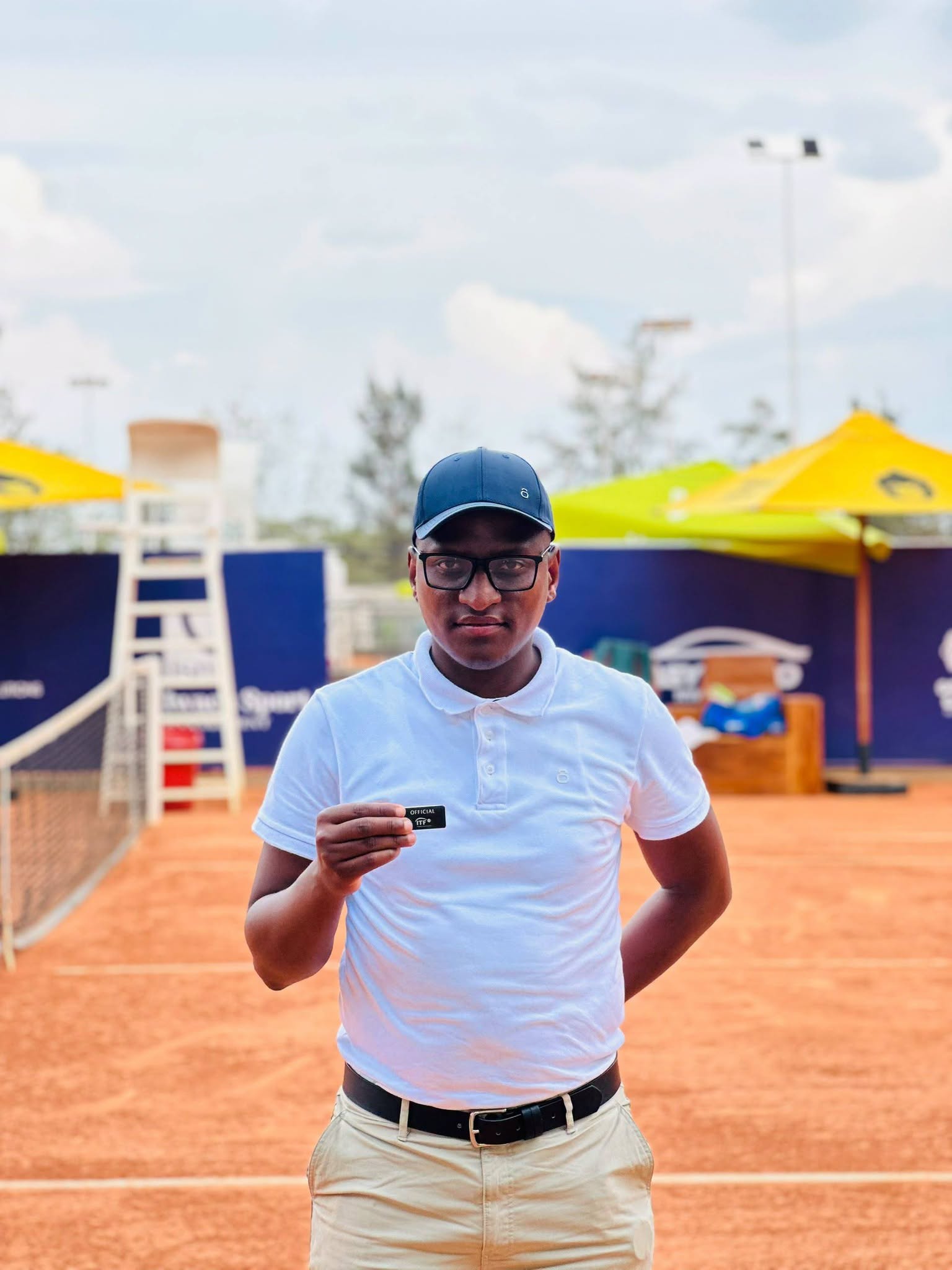
Kagiso Sebakile has reached an important milestone in his tennis officiating career after successfully completing the White Badge School in Kigali, Rwanda. The achievement represents another step for a Botswana tennis official seeking to develop his skills and gain greater exposure within the international tennis community. Completing the White Badge School demonstrates a commitment to the technical and professional standards required in tennis officiating. It also gives Sebakile an opportunity to build on his experience and continue progressing within the sport. His achievement adds to the growing presence of Botswana officials in international tennis and provides another positive development for the country’s tennis community.
The White Badge is part of the international pathway for tennis officials, making completion of the school an important professional development achievement. Officials play a vital role in ensuring that tennis matches are conducted according to the rules and that competition maintains consistent standards. Their responsibilities require concentration, knowledge of the rules, sound judgement and the ability to make decisions under pressure. Training programmes such as the White Badge School provide officials with opportunities to strengthen these skills in an organised environment. For Sebakile, completing the programme in Kigali marks progress in developing the expertise needed to officiate at increasingly demanding levels of competition.
The achievement also highlights the importance of education and continuous development within tennis officiating. Players often receive the most attention because they are directly involved in competition, but officials form an essential part of every organised match. Their decisions can affect the flow of a contest and their understanding of the rules helps ensure that players compete under consistent conditions. International tennis requires officials to work within established standards regardless of where tournaments take place. By completing the White Badge School, Sebakile has taken a step toward strengthening his ability to meet those expectations.
Kigali provided an international setting for Sebakile’s development and placed him alongside officials working toward similar professional goals. Training in another country can expose officials to different experiences and approaches to tennis administration and officiating. It can also create opportunities to interact with people from other tennis communities and develop professional relationships across national borders. These connections can become valuable as officials continue building their careers and seeking further assignments. Sebakile’s participation therefore represents both an educational achievement and an opportunity to become more connected to the wider tennis officiating community.
For Botswana tennis, the achievement carries significance beyond one individual. Developing qualified officials is an important part of building a strong national tennis structure because tournaments need competent people to administer matches and uphold the rules. Internationally trained officials can also bring knowledge and experience back into the domestic tennis environment. That knowledge can benefit other officials, players and organisers when it is shared through local competitions and development programmes. Sebakile’s progress can therefore contribute to the broader development of tennis officiating in Botswana.
The journey toward international officiating requires dedication because officials must continue learning as they progress through different levels. Tennis rules can involve detailed situations that require officials to understand both the wording of regulations and how those rules apply during live competition. Officials must also remain focused throughout matches and communicate decisions clearly when situations arise. Training schools provide structured opportunities to develop these abilities and assess an official’s readiness for further progression. Completing the White Badge School is consequently a meaningful step in Sebakile’s professional development rather than simply a certificate of participation.
The achievement comes as Botswana continues to develop its involvement in international tennis. The country has athletes competing in international events and national teams participating in regional and global competitions. Officials form another important part of that international presence because they represent Botswana through their professional work rather than only through competition. Having Botswana officials progress through recognised international pathways can strengthen the country’s reputation within the tennis community. It can also demonstrate that development within the sport extends from players and coaches to officials and administrators.
Sebakile’s success also offers encouragement to others who may be interested in tennis officiating. Many people enter tennis through playing, coaching or administration, but officiating provides another route to remain involved in the sport. Developing as an official requires patience, study, practical experience and a willingness to accept responsibility during competition. International training opportunities can help officials turn that commitment into a structured career pathway. Sebakile’s completion of the White Badge School provides a visible example of how continued effort can create opportunities for professional growth.
The international dimension of the achievement is particularly relevant because tennis operates through common rules and standards across countries. A match played in Botswana and a match played elsewhere must follow the applicable rules of the sport. Officials who receive recognised international training can help maintain consistency across different competitions and environments. Their experience also allows them to understand how officiating standards are applied beyond their home country. Sebakile’s participation in the Kigali programme therefore strengthens his individual qualifications while connecting his work to the wider international tennis system.
The next stage of Sebakile’s career will depend on how he builds on the foundation created by the White Badge School. Completing the programme is an important achievement, but continued officiating experience remains essential for developing confidence and practical judgement. Each assignment can provide lessons that contribute to an official’s growth and understanding of match situations. Further opportunities can also allow him to work with experienced officials and gain exposure to different levels of competition. His recent achievement provides a strong platform from which he can continue developing his career in tennis officiating.
The success of one official can also contribute to a wider culture of professional development within Botswana tennis. When officials pursue international qualifications, they demonstrate the value of specialised knowledge and continued education. Their progress can encourage tennis organisations to invest in officiating development and create more opportunities for officials to gain practical experience. Strong officiating supports tournaments at every level because players need reliable competition structures in which rules are applied consistently. The development of officials is therefore closely connected to the overall quality and sustainability of the sport.
Kagiso Sebakile’s successful completion of the White Badge School in Kigali marks a significant moment in his journey as a tennis official and adds another international achievement to Botswana’s tennis story. His accomplishment reflects hard work, preparation and a commitment to developing the skills required for modern tennis officiating. It also highlights the important role officials play in maintaining the standards of competitive tennis and supporting the growth of the sport. As Sebakile continues to gain experience, his new qualification can provide opportunities for further development and international exposure. For Botswana tennis, his achievement is a reminder that the country’s presence on the international stage extends beyond its players and includes officials whose dedication helps strengthen the sport from the foundation upward.