
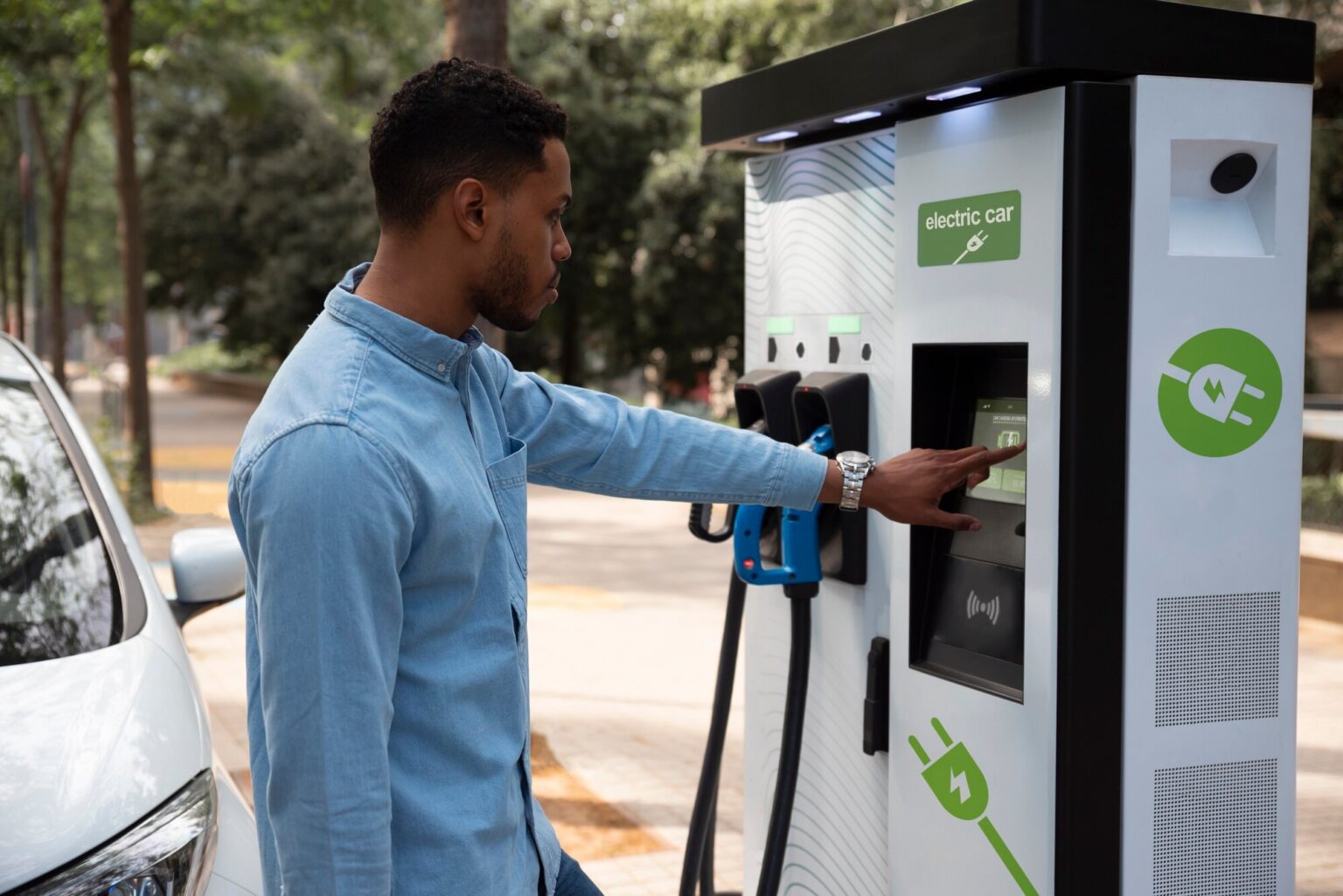
As the global shift toward electric vehicles (EVs) accelerates, Botswana stands at the cusp of a promising opportunity to develop its electric vehicle charging infrastructure. While EV adoption in the country is still in its early stages, investing in charging stations presents significant economic, environmental, and technological benefits. For businesses, policymakers, and entrepreneurs, Botswana’s EV charging sector offers a gateway into the country’s growing green economy.
One of the key drivers for EV infrastructure in Botswana is the government’s commitment to sustainable development and reducing carbon emissions. Botswana’s National Energy Policy emphasizes diversification of energy sources and increased use of renewable energy, setting a favorable backdrop for EV growth. As electric vehicles become more affordable and attractive, the demand for accessible and reliable charging stations will rise, creating a market ripe for investment.
Currently, Botswana’s EV market is small but growing, with several importers introducing electric and hybrid models. The lack of widespread charging infrastructure remains a major barrier to mass adoption. Establishing strategically located charging stations—particularly in urban centers like Gaborone and Francistown, as well as along major highways—will alleviate range anxiety and encourage more consumers and businesses to consider EVs.
From a business perspective, setting up EV charging stations offers multiple revenue streams. Besides charging fees, operators can generate income through value-added services such as convenience stores, cafes, and advertising spaces at charging sites. Partnering with shopping malls, hotels, and office parks can enhance customer experience and increase foot traffic.
Botswana’s abundant solar energy resources also present an opportunity to integrate renewable power with EV charging infrastructure. Solar-powered charging stations can reduce operational costs and provide environmentally friendly solutions, aligning with Botswana’s green energy goals. Entrepreneurs can explore hybrid systems combining grid electricity with solar panels and battery storage to ensure uninterrupted service.
Public-private partnerships (PPPs) will play a crucial role in scaling up EV charging networks. Collaboration between government entities, energy companies, and private investors can accelerate infrastructure rollout while sharing risks and rewards. Additionally, supportive policies such as tax incentives, subsidies, and streamlined permitting processes will encourage investments and innovation.
Education and awareness campaigns are equally important to foster consumer confidence in electric vehicles and charging technology. Informing the public about cost savings, environmental impact, and charging convenience will help boost EV adoption rates and justify infrastructure expansion.
Challenges do exist, including the high upfront costs of installing charging stations and the need for technical expertise in maintenance and management. However, Botswana’s stable political environment and improving energy sector provide a solid foundation for growth. Training programs and knowledge exchange with countries experienced in EV infrastructure can help build local capacity.
Electric vehicle charging stations represent a strategic opportunity for Botswana to embrace sustainable transport and diversify its economy. By investing early in charging infrastructure, the country can position itself as a leader in the Southern African green mobility revolution. For investors and entrepreneurs, the time is ripe to drive Botswana’s transition to cleaner, smarter transportation and unlock the benefits of an emerging EV market.