
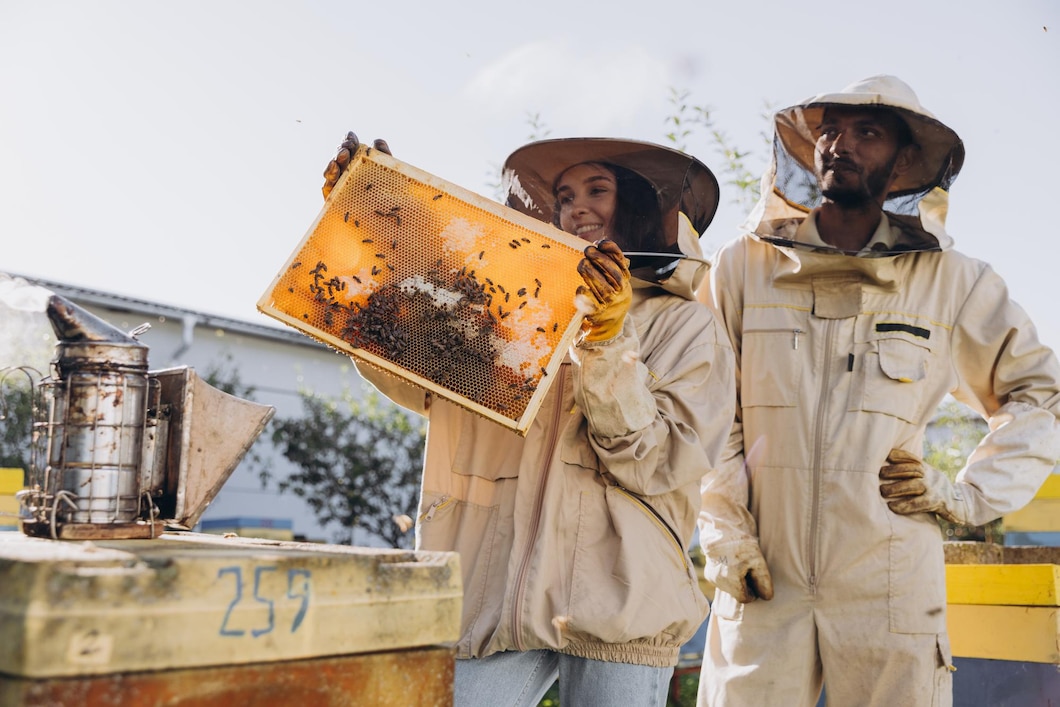
Nestled in the eastern part of Botswana, the Tswapong Hills are not just a geological wonder—they are fast becoming a hub for sustainable agriculture through the revival of traditional beekeeping. With their rich biodiversity, indigenous flora, and favorable climate, the hills offer an ideal environment for honey production. Today, beekeeping in the Tswapong Hills is not only empowering local communities economically, but also contributing to environmental conservation and food security.
The practice of beekeeping in this region dates back generations, with communities harvesting wild honey from natural hives in caves and trees. In recent years, however, the rise of modern apiculture techniques has transformed honey production from a subsistence activity into a viable agribusiness. Small-scale farmers, women’s cooperatives, and youth groups are increasingly turning to beekeeping as a low-cost, high-impact livelihood.
One of the key advantages of the Tswapong Hills is the abundance of flowering plants, including mopane, acacia, and marula trees. These provide a rich source of nectar, resulting in a unique, high-quality honey that is gaining popularity both locally and in regional markets. The hills’ natural isolation also means bees are less exposed to pesticides and diseases, making the honey more organic and environmentally friendly.
Training and support from organizations such as the Ministry of Agriculture, NGOs, and development partners have played a crucial role in scaling up honey production. Local beekeepers are learning to construct and maintain modern hives, manage bee colonies, harvest responsibly, and handle honey hygienically. This has led to improved yields, better quality products, and increased marketability.
The economic benefits are significant. Beekeeping requires minimal land, water, or capital investment, making it accessible to rural families with limited resources. A single hive can produce several kilograms of honey per season, and with proper care, a beekeeper with multiple hives can generate a reliable income stream. Some producers have even expanded into value-added products such as beeswax candles, propolis tinctures, and infused honey blends.
Beyond income generation, beekeeping contributes to ecological sustainability. Bees play a critical role in pollinating crops and wild plants, enhancing biodiversity and improving food production in surrounding farms. By maintaining bee populations, communities in the Tswapong Hills are helping to protect fragile ecosystems while reaping agricultural benefits.
Local markets in towns such as Palapye and Serowe are key outlets for selling honey, but the potential for export is growing. With rising demand for organic and artisanal products across Southern Africa, Botswana’s honey has the potential to find niche markets if producers can meet quality standards and certification requirements.
Despite the progress, challenges remain. Beekeepers still face risks such as hive theft, bushfires, and lack of access to advanced equipment. Limited access to financing and formal markets can also restrict growth for small-scale producers. However, with the right investment in training, infrastructure, and cooperative models, the honey industry in the Tswapong Hills could become a major contributor to the region’s rural economy.
As Botswana continues to diversify its agricultural sector, beekeeping stands out as a promising, sustainable enterprise. The Tswapong Hills—with their natural resources, cultural heritage, and community-driven spirit—are well positioned to lead the way in making honey production a sweet success story.