A powerful cultural experience unfolded in Gaborone on Saturday night when Tswana traditions took center stage at the Kolobeng Livingstone College grounds in Block 8. The event brought together storytelling, performance, food and digital art under the night sky in a setting designed to reconnect people with heritage. Audiences gathered in large numbers to witness a unique blend of oral tradition and modern film production that celebrated identity in a fresh and engaging way. The highlight of the evening was the premiere of Ntiti le Ntitietsana, widely regarded as Botswana’s first folklore-inspired animated film. The atmosphere reflected both celebration and reflection as guests experienced culture through multiple creative forms.
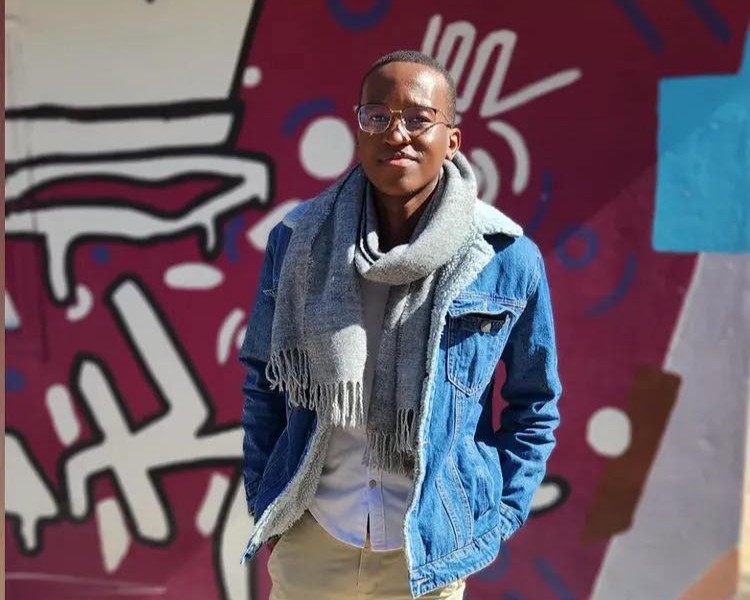
The film was written by Try Gaotlhobogwe, who described the idea as simple but deeply meaningful. He explained that the project came from a desire to preserve traditional stories in a format that younger audiences can easily access. According to him, Ntiti le Ntitietsana represents a bridge between generations, where oral storytelling evolves into digital expression without losing its original spirit. The production marks an important shift in how cultural narratives are preserved and shared in modern Botswana. It also highlights the growing role of technology in protecting heritage while making it relevant to today’s audiences.
The event was carefully designed to recreate the feeling of traditional storytelling sessions. Guests sat outdoors under floodlights, arranged in a way that mirrored the old practice of gathering around a fire. The night sky added a natural backdrop that strengthened the nostalgic atmosphere. Organisers aimed to bring back the emotional experience of listening to elders narrate folktales in communal spaces. This setting helped reinforce the idea that culture is not only remembered but also lived and experienced in shared moments.
The programme opened with a stand-up comedy performance by Emmanuel ‘Depay’ Moilwa, who set a light and engaging tone for the evening. His humour helped ease the audience into a night focused on storytelling and reflection. This was followed by a folklore narration by Chituelele Gaotlhobogwe, who presented a story about young women searching for love and encountering men who transform into lions at night. The tale sparked discussion among attendees about relationships, cautionary lessons and traditional symbolism. It also showed how folklore continues to reflect real social themes in an imaginative form.
Cultural immersion was strengthened through traditional refreshments served throughout the event. Guests enjoyed mmilo porridge, ginger drink known as gemmere, dried moretlwa fruit and morula beer. These foods added a sensory connection to heritage and created a fuller cultural experience beyond storytelling and film. The organiser explained that the idea behind the menu was to recreate childhood memories of seasonal treats enjoyed during storytelling gatherings. This approach helped deepen emotional engagement and strengthened the authenticity of the event.
Interactive cultural activities also played a key role in the evening’s success. The dithamalakane guessing game encouraged participation and learning through traditional knowledge-based play. It was led by Rorisang Moakofi, a young cultural advocate focused on preserving indigenous games through modern engagement methods. Participants responded enthusiastically, turning the activity into both entertainment and education. The inclusion of such games showed how cultural preservation can be interactive rather than passive.
The programme concluded with a 30-minute 3D animation of Ntiti le Ntitietsana, the most anticipated segment of the night. However, a sudden drop in temperature caused some attendees to leave before the screening ended. Despite this, many who stayed expressed appreciation for the effort to present folklore in a cinematic format. Some attendees felt the animation was too short while others praised the storyline, giving it positive ratings with suggestions for improvement. Feedback reflected interest in seeing the project expanded further in future editions.
Try Gaotlhobogwe expressed hope that the event would become an annual cultural celebration. He noted the importance of finding sponsors who support cultural preservation and creative storytelling initiatives. Attendees also suggested future events include more children and be scheduled during warmer seasons to improve comfort and participation. There was a shared belief that passing down folklore remains essential in maintaining cultural identity. The Ntiti le Ntitietsana film is currently available through Try Gaotlhobogwe’s social media platforms including YouTube, Facebook and TikTok, allowing wider access to the growing audience interested in Botswana’s evolving storytelling landscape.