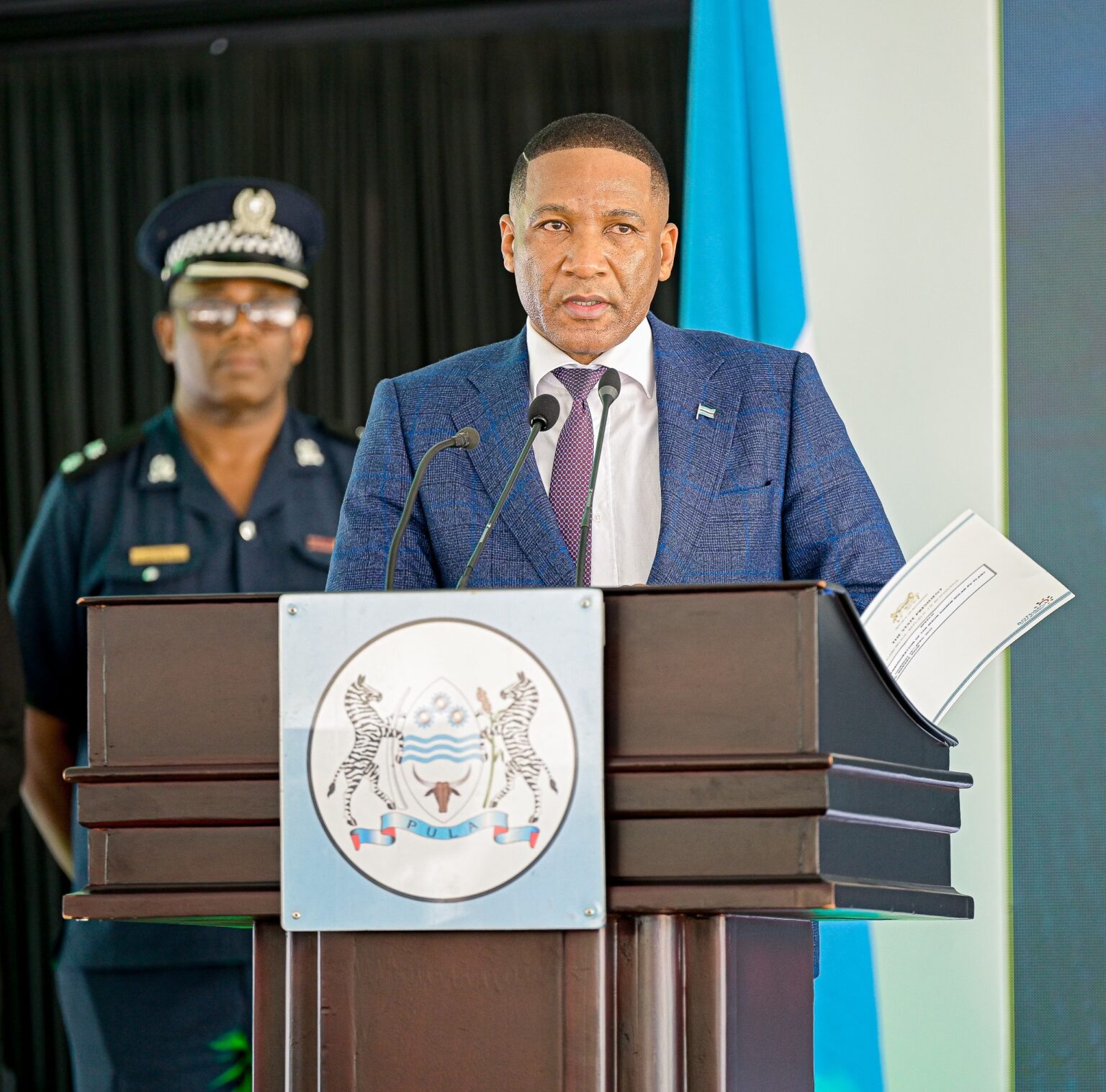
President Duma Boko has officially opened the 13th Teaching and Learning Conference of the Africa Federation of Teaching Regulatory Authorities in Gaborone, marking a major moment for education leadership across the continent. The event brought together educators, policymakers, and regulatory bodies from multiple African countries to discuss the future of teaching standards and professional development. The conference focused on improving education quality, strengthening regulatory systems, and encouraging innovation in teaching methods. It also highlighted the importance of collaboration between nations in addressing shared challenges in the education sector. The opening set a strong tone for discussions aimed at transforming how teaching is regulated and supported across Africa.
The conference took place in Gaborone, which continues to position itself as a hub for regional dialogue on education and governance. President Duma Boko addressed delegates and emphasized the need for stronger systems that support both teachers and learners. He called for renewed commitment to improving teaching quality through continuous training, better resources, and modern regulatory frameworks. He also stressed that education systems must adapt to rapid global changes, including technology integration and shifting labour market demands. His message focused on building resilient education structures that can support long-term national and continental development.
The 13th Teaching and Learning Conference of the Africa Federation of Teaching Regulatory Authorities served as a platform for sharing best practices and exploring new approaches to education governance. Delegates discussed the need to align teaching standards across countries to ensure consistency in learning outcomes. There was strong emphasis on professional accountability, teacher certification processes, and the role of regulatory bodies in maintaining quality education. Participants also examined how digital tools can enhance teaching and improve classroom engagement. The conference encouraged open dialogue on how African education systems can remain competitive and relevant in a global context.
A key focus of the discussions was the evolving role of teachers in modern education systems. Speakers highlighted that teachers must be equipped not only with subject knowledge but also with digital skills and adaptive teaching strategies. The conference explored how continuous professional development can help educators respond to changing classroom environments. It also addressed challenges such as resource gaps, uneven access to training, and differences in regulatory capacity between countries. These discussions reinforced the need for stronger cooperation among teaching authorities across the continent.
Another important theme was the importance of innovation in education delivery. Delegates examined how technology can support personalised learning and improve access to quality education in both urban and rural areas. They also considered how regulatory frameworks can support the safe and effective use of digital learning platforms. The conversation extended to teacher support systems, including mentorship programmes and performance evaluation models. These ideas reflected a shared goal of building education systems that are both modern and inclusive.
The conference also provided an opportunity for networking and partnership building among education leaders. Participants expressed optimism about the potential for stronger continental collaboration in shaping education policy. Many agreed that unified standards could help raise the overall quality of teaching across Africa. The presence of high-level leadership reinforced the importance of education as a national and regional priority. The event created momentum for future reforms aimed at strengthening teaching as a profession.
The opening of the conference in Gaborone signaled a continued commitment to improving education systems through cooperation, innovation, and strong regulatory leadership. President Duma Boko’s message underscored the importance of investing in teachers as the foundation of national development. The discussions held during the event are expected to influence policy directions and professional standards across participating countries. As African education systems face growing demands, the outcomes of this conference may play a key role in shaping future reforms.