The Ministry of Youth and Gender Affairs has initiated an important consultative meeting with Civil Society Organisations focused on the ratification of the African Union Convention on Ending Violence Against Women and Girls. The discussions bring together government officials and key stakeholders to examine how Botswana can strengthen its legal and policy framework to better protect women and girls from violence. This process forms part of broader national and continental efforts to address gender-based violence through coordinated action and stronger enforcement systems. The meeting reflects increasing recognition of the need for multi-sector collaboration in addressing social challenges that affect safety, dignity and equality. It also signals Botswana’s commitment to aligning with regional instruments that promote human rights and gender justice.
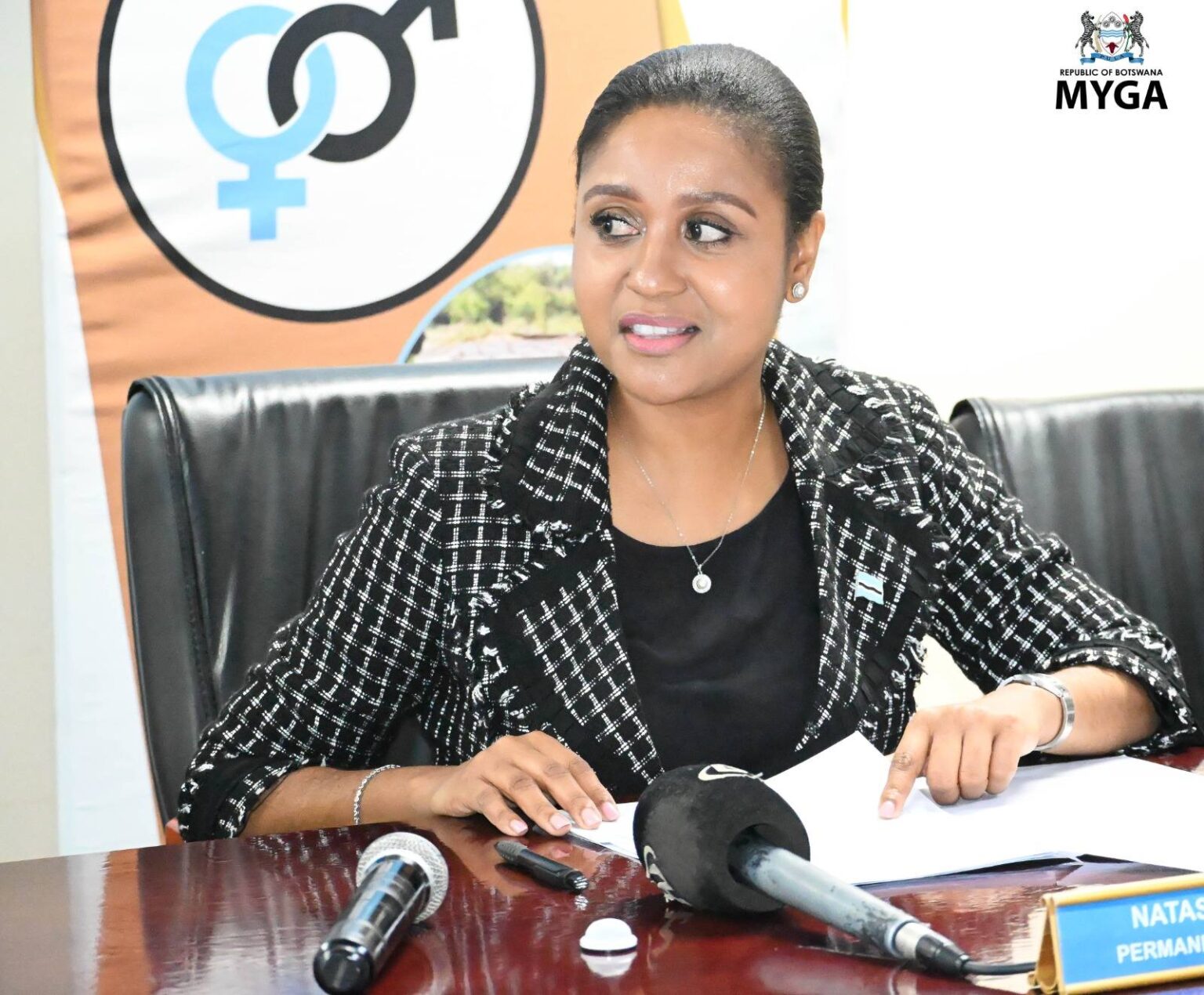
During the engagement, Permanent Secretary Ms Natasha Rampa played a central role in outlining the purpose and objectives of the convention. She explained that the African Union framework is designed to create an enabling environment that supports the elimination of violence against women and girls across member states. The convention also focuses on strengthening preventative measures, improving institutional coordination and enhancing enforcement mechanisms within key sectors such as health, social welfare and justice. Ms Rampa emphasised that effective implementation requires strong collaboration between government institutions and civil society actors. She noted that the success of any gender-based violence strategy depends on how well these systems work together to protect vulnerable groups.
Ms Rampa also expressed appreciation for the continued involvement of Civil Society Organisations in shaping Botswana’s gender policy direction. She highlighted that their expertise, experience and community-level engagement play a vital role in informing government decision-making. According to her, civil society groups are often the first responders to cases of violence and provide essential support services to survivors. Their input is therefore critical in ensuring that policies are practical, inclusive and responsive to real challenges faced on the ground. The Permanent Secretary stressed that without meaningful collaboration, efforts to eliminate violence against women and girls would be less effective.
The consultative meeting forms part of Botswana’s ongoing efforts to strengthen its commitment to gender equality and human rights protection. The country has in recent years intensified initiatives aimed at addressing gender-based violence through legal reforms, awareness campaigns and institutional strengthening. The proposed ratification of the African Union Convention is seen as a step towards aligning national laws with continental standards. It is also expected to reinforce existing frameworks that aim to protect women and girls from abuse, discrimination and exploitation. Stakeholders at the meeting emphasised the importance of ensuring that legal commitments are matched with practical implementation strategies.
Civil Society Organisations participating in the discussions brought forward valuable perspectives on the realities faced by communities affected by violence. Many highlighted gaps in service delivery, reporting mechanisms and access to justice for survivors. They stressed the importance of improving coordination between police services, healthcare providers and social workers to ensure timely and effective responses. The engagement provided an opportunity for open dialogue on how Botswana can strengthen its systems to better support survivors and prevent future cases of violence. These contributions were acknowledged as essential in shaping a more comprehensive and effective national response.
The African Union Convention on Ending Violence Against Women and Girls is regarded as a significant regional instrument aimed at addressing one of the most persistent human rights challenges on the continent. It provides a framework for member states to develop laws, policies and programmes that protect women and girls while promoting equality and social justice. Botswana’s consideration of ratifying the convention reflects its commitment to regional cooperation and shared responsibility in tackling gender-based violence. The discussions also underscore the importance of harmonising national efforts with continental goals to ensure consistent protection standards across Africa.
The consultative meeting between the Ministry of Youth and Gender Affairs and Civil Society Organisations represents a critical step in Botswana’s journey toward strengthening gender equality and eliminating violence against women and girls. Through collaboration, policy dialogue and shared expertise, stakeholders aim to build a more responsive and effective system of protection and support. The involvement of Ms Natasha Rampa and other key officials highlights the government’s commitment to inclusive decision-making and partnership-driven governance. As Botswana moves closer to potential ratification of the African Union Convention, the process is expected to enhance legal frameworks and improve outcomes for vulnerable populations. The engagement ultimately reinforces the country’s broader vision of a safer, more equitable society where the rights and dignity of women and girls are fully protected.