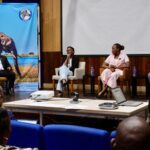
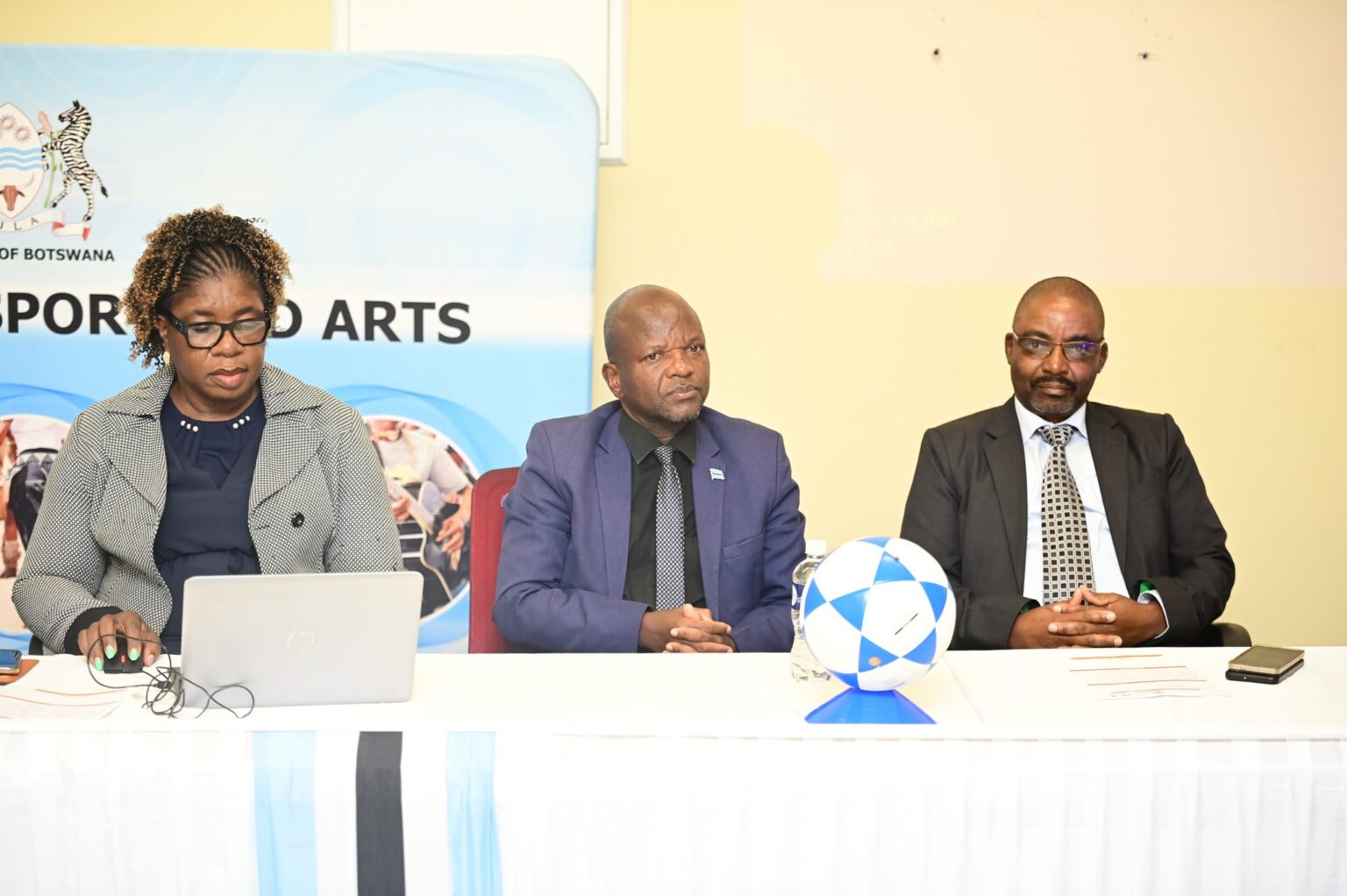
Gaborone has taken center stage in Southern African sport following a high-level stakeholder engagement forum hosted by Botswana’s Ministry of Sport and Arts in partnership with the African Union Sports Council (AUSC) Region 5. The gathering brought together representatives from ten member states, government ministries, academic institutions and corporate partners to align national sports priorities with a shared regional vision. The meeting focused on building stronger coordination in sport development, athlete support systems and policy alignment across Southern Africa. It also highlighted the growing importance of sport as a driver of social and economic transformation. The event positioned Botswana as a key player in shaping regional sports strategy and cooperation.
The Permanent Secretary in the Ministry of Sport and Arts, Ms Nancy Neo Chengeta, opened the forum with a strong message about the broader value of sport in society. She explained that sport is not only about competition and entertainment but also about youth empowerment, social cohesion and economic development. Her remarks emphasized that sport can help address unemployment, build life skills and promote healthier communities. She further noted that Botswana is actively working to align its national sports agenda with continental and regional priorities to ensure athletes benefit from broader development opportunities. This alignment is expected to improve access to training, competition and professional pathways for emerging talent.
Ms Chengeta also highlighted the role of AUSC Region 5 in advancing sporting excellence across Southern Africa. She praised the organisation for consistently promoting elite competitions and strengthening policy frameworks that support athlete development. According to her, regional cooperation is essential for creating a structured and sustainable sports ecosystem. She stressed that countries working together can share resources, expertise and infrastructure to improve performance standards. This approach also helps smaller nations gain exposure to high level competition, which is critical for athlete growth and international competitiveness.
A key presentation at the forum was delivered by Mr Stanley Mutoya, CEO and Secretary-General of AUSC Region 5. He outlined a forward-looking vision for the region’s sporting future, emphasizing the need to move beyond participation and focus on results. He described this shift as transitioning from simply being “fruitful” to actively “harvesting” the talent that already exists across member states. His message focused on maximizing athlete potential through better systems, improved funding and stronger regional coordination. He also encouraged stakeholders to think long term about building sustainable sports structures that can support future generations.
AUSC Region 5 represents a powerful bloc of Southern African countries committed to advancing sport development. The organisation includes Angola, Botswana, Malawi, Zimbabwe, Zambia, Mozambique, Lesotho, South Africa, Namibia and Eswatini. These member states share a common goal of strengthening sports performance, improving governance and expanding opportunities for athletes at all levels. The collaboration is designed to ensure that sport becomes a structured pathway for education, employment and international recognition. By working together, these countries aim to reduce disparities in sports development across the region.
The strategic priorities of AUSC Region 5 were also highlighted during the engagement. One of the key focus areas is building a competitive sports ecosystem that is self-sustaining and capable of producing world class athletes. This includes improving access to facilities, coaching and sports science support. Another major priority is increasing the participation of women in sport at all levels. The organisation is also committed to ensuring safe and inclusive environments for female athletes, which is essential for long term growth and equality in sport. These priorities reflect a broader commitment to making sport more inclusive, professional and impactful across Southern Africa.
Botswana’s role in hosting the engagement reinforces its growing influence in regional sports diplomacy. By bringing together key stakeholders, the country is helping to shape policies and programmes that will benefit athletes, coaches and sports administrators across the region. The collaboration also opens opportunities for capacity building initiatives, training programmes and knowledge exchange between member states. This ensures that best practices in sports management and development are shared more widely. It also strengthens Botswana’s position as a hub for regional sports dialogue and cooperation.
The forum delivered a clear message about the power of collaboration in sport development. Stakeholders emphasized that when countries work together across borders, the benefits extend directly to young people who rely on sport for opportunity and growth. The shared vision is focused on creating stronger systems that support talent development from grassroots to elite levels. This includes improving access to education, funding and international exposure for athletes. The engagement reinforced the idea that sport can play a central role in building stronger, more connected and more prosperous societies in Southern Africa.