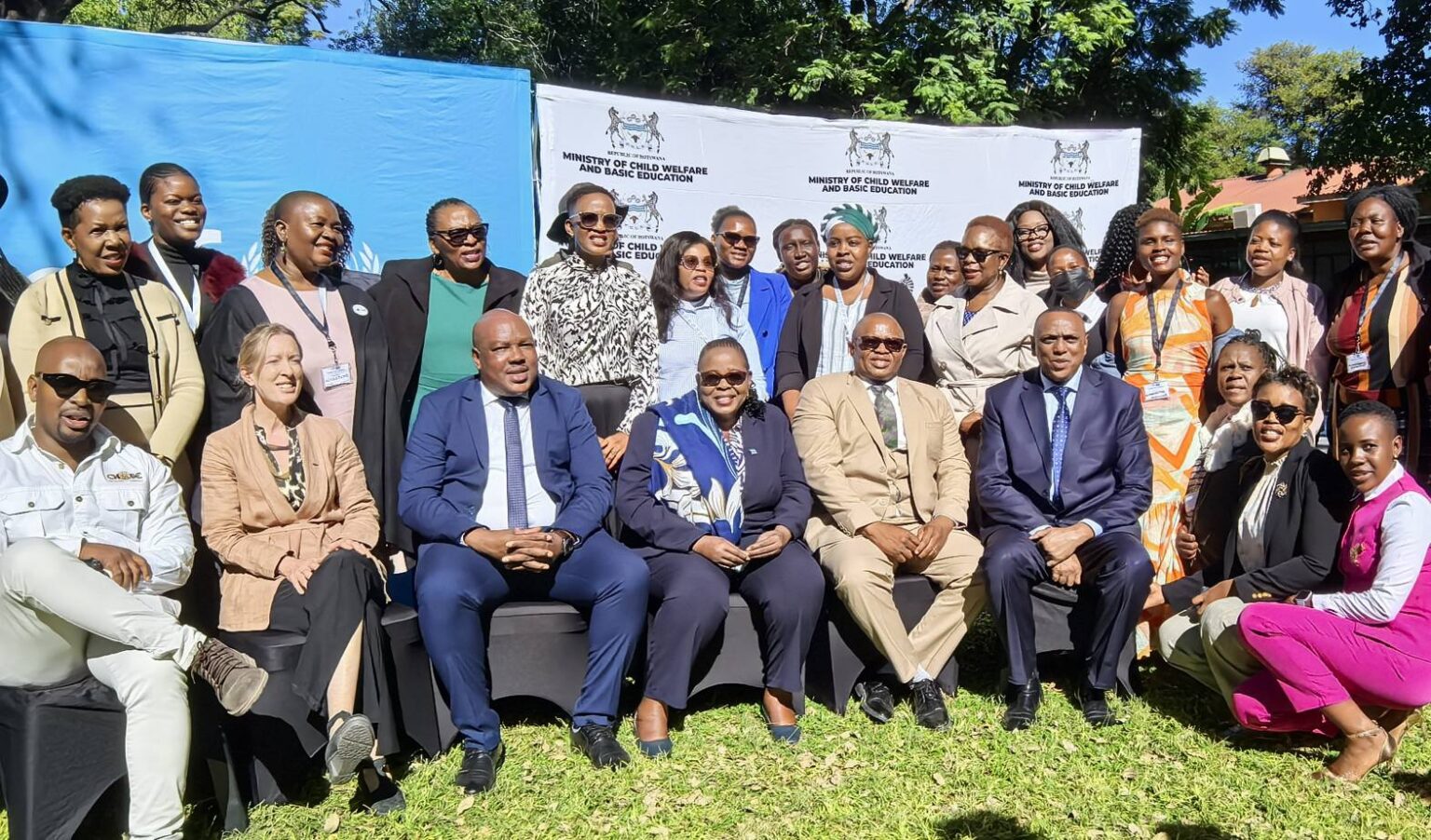
The Ministry of Child Welfare and Basic Education, in collaboration with the Ministry of Local Government and Traditional Affairs and UNICEF Botswana, recently hosted a four day training workshop focused on Early Childhood Development for the tourism sector under the theme “Tourism for Children.” The initiative was designed to improve the skills, knowledge and teaching capacity of educators working in government reception classes and private sector playgroups located in remote communities of the Okavango Delta and its panhandle. The workshop brought together teachers, education stakeholders and development partners who share a common goal of improving early learning opportunities for children living in isolated areas. The program reflects Botswana’s continued commitment to strengthening foundational education and ensuring that no child is left behind because of geographic location or limited access to resources. By targeting educators in tourism influenced communities, the initiative also recognizes the unique social and economic role that tourism plays in supporting local livelihoods and child development.
The workshop focused heavily on equipping participants with practical tools and strategies to improve learning outcomes for young children during their formative years. Early Childhood Development remains one of the most important stages in a child’s educational journey because it lays the foundation for cognitive growth, emotional stability and future academic success. Teachers attending the training were introduced to modern teaching approaches, child centered learning techniques and methods for creating safe and engaging classroom environments for young learners. Special attention was given to challenges faced by educators working in remote parts of the Okavango Delta, where access to educational support services and infrastructure can often be limited. Through collaborative sessions and interactive learning activities, participants were encouraged to share experiences and identify solutions that can improve the quality of education in their respective communities.
When officiating at the workshop, Nono Kgafela-Mokoka expressed strong support for the initiative and highlighted the importance of investing in children during their earliest years of development. She emphasized that early childhood education provides the highest social and economic returns because it influences long term educational achievement, workforce readiness and community development. According to the Minister, quality early learning opportunities can significantly reduce inequalities and create stronger foundations for national growth and prosperity. She also reaffirmed the Botswana government’s commitment to ensuring that all children, regardless of where they live, have equal access to quality education and developmental support. Her remarks reflected a broader national vision focused on inclusive education, social equity and sustainable development across all regions of the country.
The collaboration between government ministries and UNICEF Botswana demonstrates the importance of partnerships in addressing educational challenges faced by remote communities. The tourism sector plays a major role in many parts of the Okavango Delta and surrounding areas, making it important for educational initiatives to align with the realities of local communities and industries. By involving teachers from both public and private learning institutions, the workshop aimed to create a more coordinated and inclusive approach to child development in tourism dependent regions. Participants also explored the connection between education, community wellbeing and economic sustainability, especially in areas where tourism serves as a key source of employment and income. The “Tourism for Children” theme reinforced the idea that economic development and child welfare should move together to create healthier and more resilient communities.
Educators attending the workshop are expected to return to their schools and playgroups with renewed confidence, updated teaching methods and a stronger understanding of child development principles. The knowledge gained during the four day program is likely to improve the quality of classroom engagement and create better learning experiences for children in remote areas. Strengthening early childhood education can also contribute to improved school readiness, stronger literacy skills and higher levels of long term educational participation. For many communities in the Okavango Delta and its panhandle, such initiatives represent an important investment in the future of local children and the long term social development of the region. The workshop therefore stands as a meaningful step toward building a more inclusive education system that reaches even the most remote parts of Botswana.
Botswana’s focus on Early Childhood Development continues to show the country’s recognition that strong educational foundations are essential for national progress. The training workshop highlighted the value of collaboration, innovation and community centered learning in addressing educational inequalities affecting children in remote locations. Through support from government ministries and development partners such as UNICEF Botswana, teachers are receiving the tools and support needed to nurture young learners more effectively. The initiative also sends a clear message that every child deserves access to quality education, regardless of distance or circumstance. As the country continues to prioritize child welfare and educational development, programs such as “Tourism for Children” are likely to play an important role in shaping a brighter and more inclusive future for Botswana’s next generation.