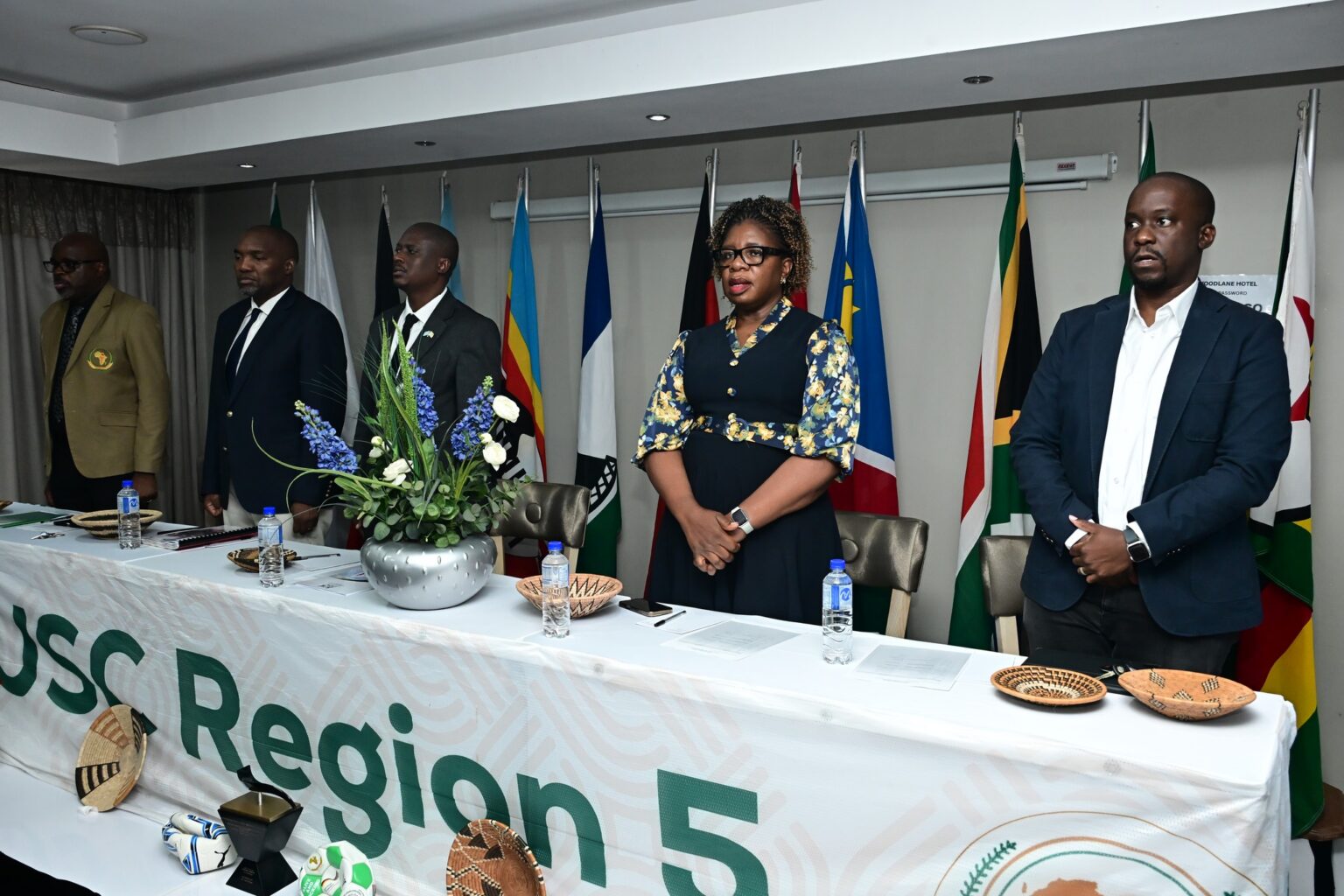
The Botswana government has reaffirmed its commitment to using sport as a powerful tool for socio-economic transformation, youth empowerment and improved livelihoods across the country and the wider Southern African region. This message was strongly emphasized during the official opening of the African Union Sports Council Board of Advisors meeting held in Gaborone. The high-level gathering brought together delegates from 10 countries within AUSC Region 5 to discuss strategic policies aimed at strengthening the impact of sport on communities. Government officials, sports administrators and regional stakeholders used the platform to examine how sport can contribute to economic growth, social cohesion and regional integration. The meeting also highlighted the growing recognition of sport as more than entertainment, positioning it instead as an important sector capable of creating jobs, developing talent and driving sustainable development.
Speaking during the opening ceremony, Phenyo Segokgo said Botswana continues to place sport at the center of national development efforts through consistent investment and policy support. He explained that government backing can be seen through ongoing infrastructure development, sponsorship opportunities, administrator training and elite athlete development programmes. According to Segokgo, these investments are already producing positive results, as reflected in Botswana’s recent sporting achievements on regional and international stages. He stressed that success in sport does not happen by chance, but instead comes from effective planning and strong partnerships between government institutions, the private sector and sports associations. His remarks reinforced the idea that collaboration remains essential in building a competitive and sustainable sports industry that can benefit communities socially and economically.
Segokgo further urged member states within AUSC Region 5 to continue advocating for progressive sports policies and innovative strategies that can help modernize the sector. He noted that while infrastructure and athlete support remain important, there is now a growing need to focus on commercialization and professional development within sport. According to him, commercial opportunities in sport can unlock new revenue streams, attract investment and create employment opportunities for young people across the region. He also highlighted the importance of investing in coaches and sports administrators, emphasizing that strong leadership and technical expertise are necessary for long-term sporting success. His call for commercialization reflects a broader shift taking place across Africa, where governments and sports organizations are increasingly exploring ways to turn sport into a viable economic sector capable of contributing to national GDP growth.
During his address, Segokgo also praised the African Union Sports Council for implementing several transformative initiatives that continue to shape sport development within the region. Among the programmes he commended were the Region 5 Youth Games, the Regional Annual Sports Awards and women’s leadership initiatives aimed at increasing female participation in sport. He noted that these programmes have created platforms for young athletes to showcase their talent while also promoting inclusion and leadership opportunities for women in the sports sector. The Women in Sport initiatives were highlighted as particularly important in addressing gender disparities and encouraging greater female representation in sports leadership structures. These efforts, according to officials, are helping to build a more inclusive and balanced sporting environment across Southern Africa.
Permanent Secretary in the Ministry of Sport and Arts, Nancy Neo Chengeta, also addressed delegates during the meeting and emphasized the importance of the gathering at a time when governments are increasingly looking at sport as a value chain for economic and social advancement. She stated that sport has the potential to contribute meaningfully to youth empowerment, skills development and regional cooperation when supported by strong policy frameworks. Chengeta explained that the strategic discussions taking place during the two-day meeting could play a major role in shaping the future direction of sport development within the region. She added that the decisions emerging from the conference are expected to influence policies aimed at strengthening youth participation, regional integration and community development through sport. Her remarks reflected growing optimism that sport can serve as a catalyst for long-term transformation in Southern Africa.
The AUSC Region 5 Board of Advisors meeting comes at a time when many African countries are working to expand investment in sports development and maximize its economic potential. Across the continent, governments are increasingly recognizing that sport can create employment opportunities not only for athletes but also for coaches, event organizers, broadcasters, marketers and entrepreneurs. Botswana’s continued investment in sports infrastructure and athlete support demonstrates its intention to remain competitive within this evolving landscape. The country has gained growing recognition for producing talented athletes who continue to perform strongly on international platforms, further boosting national pride and inspiring younger generations. Officials believe that with the right support systems in place, sport can become one of the sectors that contributes significantly to economic diversification and social development.
The participation of delegates from 10 countries also underscored the importance of regional cooperation in advancing sport development across Southern Africa. Through shared strategies, partnerships and policy coordination, AUSC Region 5 aims to strengthen sporting structures while promoting unity and collaboration among member states. Delegates attending the meeting are expected to discuss several policy priorities related to athlete development, governance, infrastructure and funding models. These conversations are seen as crucial in ensuring that sport continues to positively impact communities while adapting to changing global trends within the sports industry. Regional leaders believe that collective action can help create stronger systems capable of producing world-class athletes and sustainable sports economies.
Botswana’s hosting of the AUSC Board of Advisors meeting further positions the country as an active participant in regional sports leadership and development initiatives. The government’s continued emphasis on commercialization, innovation and capacity building reflects a broader vision aimed at turning sport into a major contributor to national and regional growth. Officials remain confident that stronger partnerships between governments, private sector investors and sports bodies will continue to unlock opportunities for athletes and communities alike. The discussions taking place in Gaborone are expected to shape future policies that will influence sport development across Southern Africa for years to come. As governments continue exploring the transformative power of sport, Botswana’s approach highlights how strategic investment and regional cooperation can create meaningful social and economic progress through athletics.