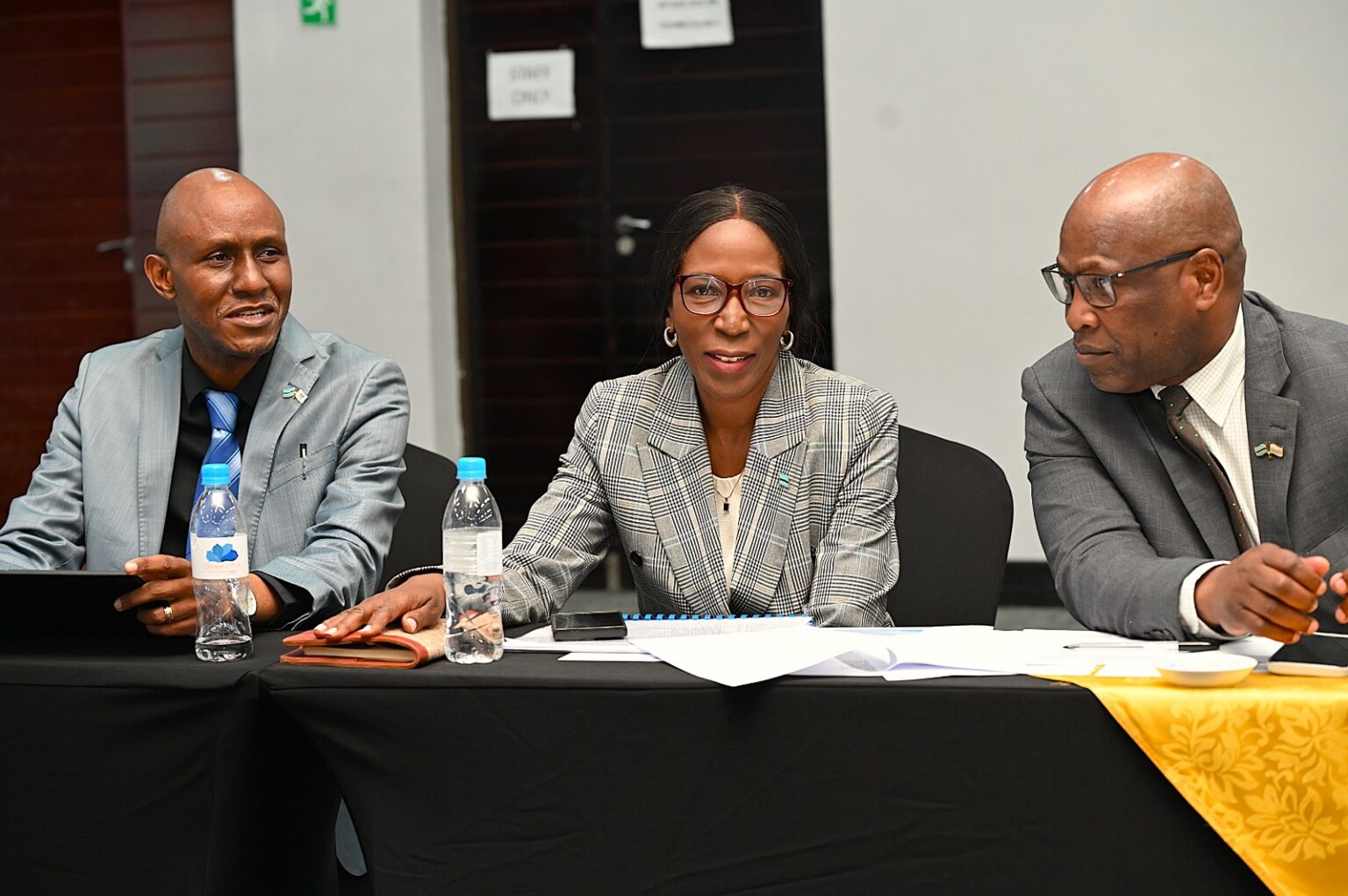
The Botswana Public Service Bargaining Council (PSBC) has officially resumed operations after years of inactivity, marking an important moment for labour relations within Botswana’s public sector. The inaugural meeting of the reconstituted council took place yesterday and brought together key stakeholders from government and major public sector unions. The development signals renewed efforts to strengthen collective bargaining, improve dialogue between employees and government, and address long-standing concerns affecting public servants. The PSBC was originally established in 2011 to create a structured platform for negotiations between government and unions, but its collapse in 2017 disrupted engagement processes across the sector. The return of the council has now created fresh optimism among workers, union leaders, and government representatives who believe it can restore stability and cooperation in public service labour matters.
The collapse of the PSBC in 2017 had a significant impact on labour relations in Botswana’s public sector. Without a unified bargaining platform, unions and government departments often handled negotiations separately, creating inconsistencies and delays in addressing employee concerns. Public servants across sectors such as health, education, and local government experienced challenges linked to salary negotiations, working conditions, and dispute resolution processes. The absence of a central bargaining structure also weakened communication channels between workers and the employer, making it difficult to achieve coordinated solutions on national issues affecting civil servants. The revival of the council is therefore being viewed as a major institutional recovery that could help rebuild trust and improve industrial relations within the country’s public administration system.
According to Andrew Motsamai, Secretary General of the Bargaining Council, significant work was required before the inaugural meeting could take place. He explained that the council had to formally request membership data from unions to determine whether they qualified for membership and to verify their registered members. This process was necessary to ensure transparency, legitimacy, and fair representation within the council structure. Motsamai stated that most unions successfully completed the application process and secured membership in the revived PSBC. He also confirmed that the allocation of seats to participating unions was completed successfully, allowing the council to move forward with its operational framework.
Several prominent unions have now joined the PSBC, strengthening its legitimacy and representation within Botswana’s public sector. These include the Botswana Nurses Union, the Botswana Doctors Union, the Botswana Sectors of Educators Trade Union, the Botswana Public Employees Union, the Botswana Landboards, Local Authorities and Health Workers Union, and the Botswana Teachers Union. The participation of these organisations reflects broad support for the bargaining council among workers in key sectors such as education, healthcare, and local government. Their inclusion also increases the council’s ability to address a wide range of issues affecting public employees throughout Botswana. By bringing together unions with different mandates and constituencies, the PSBC is expected to promote more coordinated and effective labour negotiations in the future.
The Director of Public Service Management, Gaone Macholo, expressed optimism about the return of the bargaining council and described the inaugural meeting as an important milestone. She explained that one of the council’s first priorities was to formally confirm council members and ratify interim leadership positions. During the meeting, Felix Lesetedi was appointed Interim Chairperson of the Bargaining Council. Macholo also highlighted the importance of having all relevant groups gathered around one table instead of conducting fragmented negotiations as had happened in previous years. She noted that discussions are still continuing and that the council remains focused on establishing a workable framework that will support productive engagement between all parties.
The renewed bargaining structure is expected to improve efficiency and consistency in negotiations between government and public sector employees. Previously, separate negotiations often created confusion and duplicated efforts among unions and government departments. With the PSBC now operational again, unions can collectively engage government on matters such as salaries, working conditions, allowances, benefits, and workplace policies. This unified approach may also reduce labour disputes and improve communication between stakeholders. Many observers believe that a functioning bargaining council could contribute to greater stability within Botswana’s public service sector while helping government and employees resolve issues more effectively.
Agang Gabana, President of the Botswana Teachers Union, also shared details about the objectives of the inaugural meeting. He explained that delegates aimed to confirm representatives who would serve on the council and discuss administrative matters such as budgeting and accommodation for the PSBC. Gabana stated that formally constituting the council was a critical step toward ensuring that the institution becomes fully operational. His remarks reflected the broader expectations among unions that the PSBC will become a reliable platform for meaningful engagement and decision-making. Union leaders have indicated that a stable bargaining council is necessary for protecting workers’ interests and promoting constructive labour relations across the public sector.
The return of the Botswana Public Service Bargaining Council represents an important turning point for public sector labour relations in Botswana. After years of uncertainty following the council’s collapse in 2017, government and unions are now working together to rebuild a formal structure for dialogue and negotiation. The successful admission of major unions, confirmation of interim leadership, and ongoing discussions about governance and administration all point to renewed momentum within the council. While challenges may still arise as negotiations continue, stakeholders appear committed to ensuring that the PSBC functions effectively and sustainably. The inaugural meeting has therefore laid the foundation for a new chapter in collective bargaining that could shape the future of Botswana’s public service for years to come.