New Botswana City has been described as a landmark development that signals a major shift in Botswana’s economic direction toward a more diversified, inclusive, and digitally driven growth model. The project is positioned as more than a physical infrastructure expansion, representing instead a long-term national transformation agenda aimed at reshaping how the country grows and competes globally. It reflects a strategic effort to move beyond traditional economic structures and build a modern economy that can respond to changing global demands. The initiative is expected to strengthen economic resilience while opening new pathways for investment and innovation. As a result, it has become one of the most closely watched development projects in the country’s recent history.
President Advocate Duma Boko emphasized that New Botswana City goes far beyond conventional infrastructure development, describing it as a cornerstone of a broader national transformation agenda. He explained that the project is designed to strengthen Botswana’s economic foundation and improve its global competitiveness through structured and sustainable planning. According to him, successful diversification requires more than policy statements and must be supported by practical enablers such as serviced land, climate-resilient infrastructure, and capable institutions. He also highlighted the importance of forming strategic partnerships with investors who bring both financial capital and technical expertise. These elements together are expected to create a strong platform for long-term economic growth and stability.
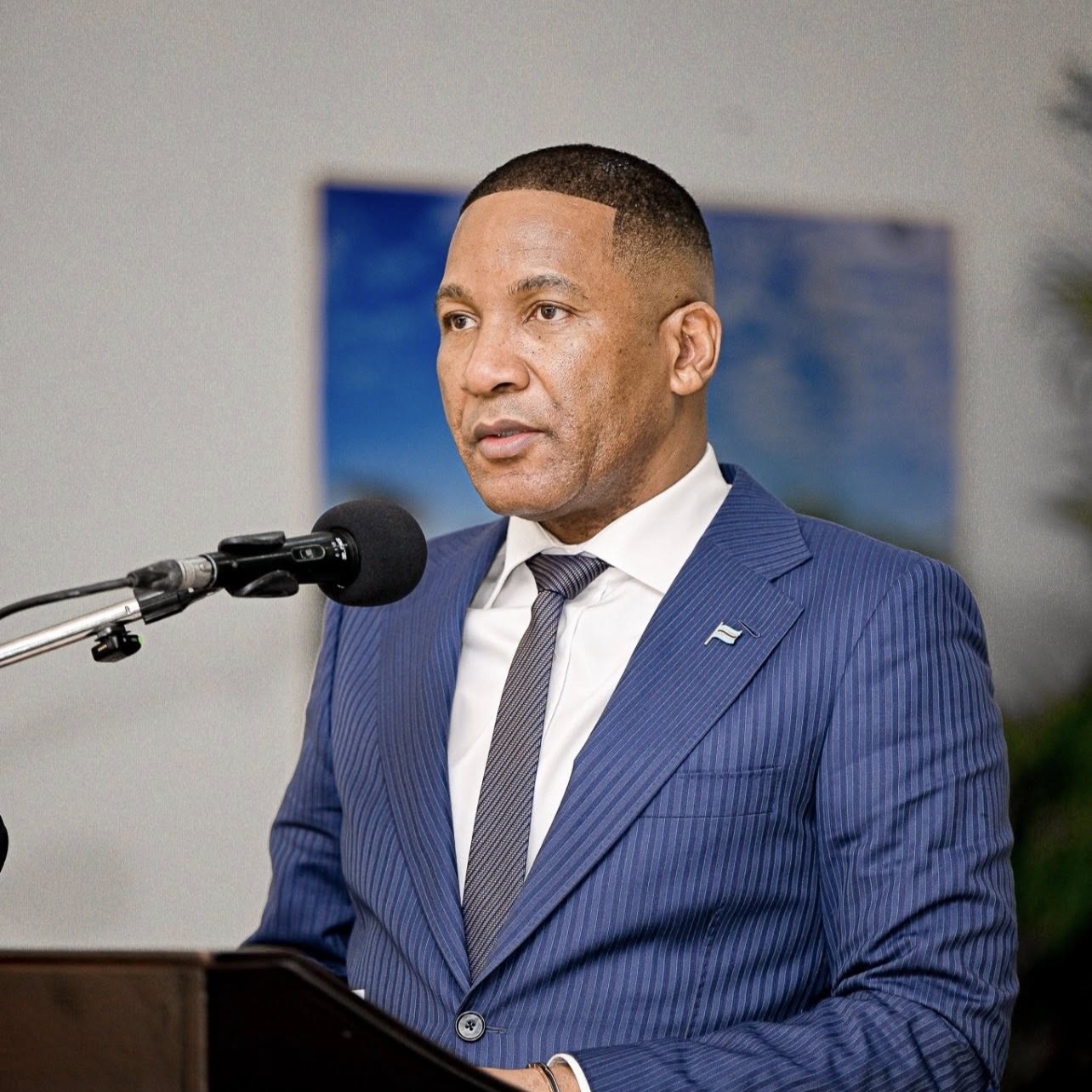
The President, who was officiating at the groundbreaking ceremony in Gaborone, further explained that the initiative reflects the government’s commitment to building a modern economy that actively unlocks opportunities for citizens. He stated that New Botswana City is designed to attract sustainable investment while positioning the country as a regional hub for trade, innovation, and enterprise. The development is also expected to stimulate job creation across multiple sectors, providing new employment opportunities for Batswana. This focus on inclusive growth underscores the government’s intention to ensure that economic progress benefits a wide segment of the population. The project therefore serves as both an economic and social development strategy aimed at long-term national prosperity.
President Boko described New Botswana City as a decisive shift in Botswana’s economic trajectory, marking a transition away from dependence on limited economic sectors. He emphasized that the country is moving toward a more diversified growth model that prioritizes inclusivity and digital transformation. According to him, this shift is essential for building an economy that can adapt to global technological changes and emerging market trends. He added that digital-driven development will play a key role in improving efficiency, productivity, and competitiveness across industries. His remarks highlighted the importance of aligning national development with global economic realities.
The project also places strong emphasis on sustainable planning and infrastructure development designed to withstand environmental challenges. Climate resilience is expected to be a core feature of the new city, ensuring that growth does not come at the expense of environmental stability. The integration of modern infrastructure systems is intended to support long-term urban development while minimizing risks associated with climate change. This approach reflects a broader commitment to responsible development that balances economic expansion with environmental protection. It also positions Botswana as a country that is preparing for future challenges through forward-thinking planning.
New Botswana City is expected to attract a wide range of investors, both local and international, who are interested in participating in a rapidly evolving economic environment. The emphasis on innovation, trade, and enterprise development creates opportunities for businesses across multiple sectors including technology, finance, manufacturing, and services. By creating an enabling environment for investment, the project aims to stimulate economic activity and enhance Botswana’s position within regional and global markets. The development is also expected to encourage entrepreneurship and support small and medium enterprises. This inclusive approach is intended to ensure that economic transformation benefits both large investors and ordinary citizens.
The groundbreaking ceremony in Gaborone marked a significant milestone in Botswana’s development journey, symbolizing a renewed commitment to economic transformation and national progress. New Botswana City represents a strategic vision that integrates infrastructure, innovation, and inclusivity into a single development framework. It reflects the government’s determination to build an economy that is resilient, competitive, and capable of generating sustainable opportunities for future generations. As the project moves forward, it is expected to play a central role in shaping Botswana’s economic landscape. Ultimately, it stands as a bold step toward a more diversified, digitally advanced, and inclusive national economy.