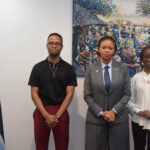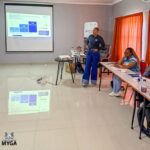
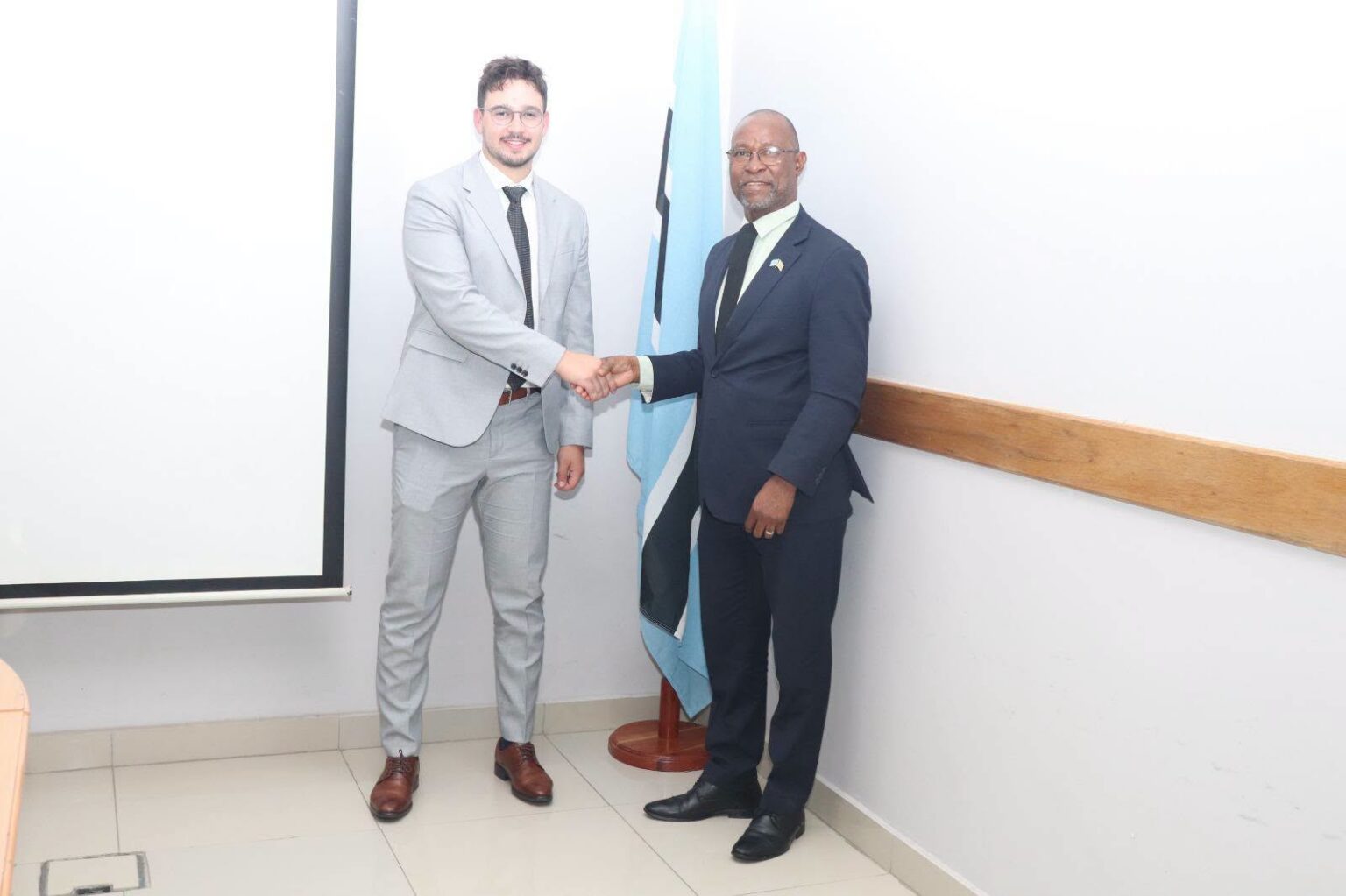
The education sector in Ministry of Child Welfare and Basic Education, Botswana has taken a step forward in strengthening international cooperation following a recent visit from a delegation from Romania. The engagement focused on improving learning systems and expanding opportunities for young people across different levels of education. During the visit, both sides discussed practical ways to align education with skills development and future employment needs. The discussions also highlighted the importance of building strong global partnerships that support long term national development goals. This exchange reflects a growing commitment to modernising education and making it more responsive to real world demands.
As part of the visit, the Romanian delegation toured two local schools in Botswana to better understand the current education environment and learner needs. The visits allowed them to observe classroom settings, teaching methods, and available learning resources. Following the tours, the delegation recommended that the Ministry explore dual education pathways that combine academic learning with practical training. They emphasized that this model could be especially useful in sectors such as manufacturing, where hands on skills are essential for employability. The approach aims to prepare students more effectively for the job market by giving them both theoretical knowledge and workplace experience. This recommendation aligns with global trends in education systems that focus on skills based learning and industry readiness.
The delegation also stressed the importance of investing in young people as a direct investment in the future stability and growth of a nation. They encouraged the Ministry of Child Welfare and Basic Education, Botswana to continue developing an education system that responds to learner needs at different stages of development. This includes improving access, strengthening teacher support, and ensuring that curricula remain relevant to changing economic conditions. The focus was placed on creating opportunities that allow every child to succeed regardless of background. The discussions highlighted that inclusive education systems contribute to stronger communities and more resilient economies. Both parties expressed interest in continued collaboration to support these shared goals.
A key outcome of the partnership has already been seen in early childhood development support. The Romanian delegation donated specialised classroom furniture designed for reception classes in schools across Botswana. This contribution is intended to improve learning environments for young children and support better classroom organisation and engagement. Early childhood education was identified as a critical foundation for long term academic success and personal development. The donation reflects a practical commitment to strengthening education infrastructure while supporting the Ministry’s broader development agenda. It also demonstrates how international cooperation can translate into tangible benefits for learners at the earliest stages of education.
The growing relationship between Ministry of Child Welfare and Basic Education, Botswana and Romania signals a positive direction for future education development initiatives. By combining knowledge exchange, practical recommendations, and material support, both parties are working toward a shared vision of improved learning outcomes. The focus on dual education pathways, skills development, and early childhood support creates a balanced approach to education reform. Continued engagement is expected to open further opportunities for collaboration in technical training and curriculum development. This partnership highlights the value of international cooperation in building education systems that prepare learners for meaningful participation in the global economy.