The third edition of the Future of Mining Summit officially began on 29 June 2026, bringing together influential leaders from the mining industry, government, investment community and policy sectors to discuss the future of one of Botswana’s most important economic pillars. Held under the theme, “Mining for Transformation: Economic Diversification & Shared Prosperity,” the summit focuses on how the country’s mineral wealth can create lasting opportunities beyond resource extraction. The event serves as an important platform for discussions on sustainable mining, local economic development, responsible investment and industrial growth. Botswana has long been recognised as one of Africa’s leading mining economies, particularly through its diamond industry, and the summit demonstrates the country’s commitment to building on that legacy. Through keynote speeches, policy announcements and industry engagement, the gathering is reinforcing Botswana’s vision of creating an economy that benefits all citizens while preparing for a more diversified future.
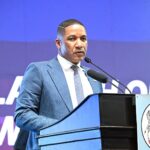
Delivering the keynote address, the Vice President of the Republic of Botswana, His Honour Mr. Ndaba Nkosinathi Gaolathe, outlined a bold vision for the country’s future. He stressed that Botswana’s achievements should not be measured solely by the volume of minerals extracted from the ground, but rather by the industries established, the quality jobs created and the prosperity shared among citizens. According to the Vice President, the true value of mining lies in its ability to stimulate broader economic development that extends well beyond the mining sector itself. He explained that Botswana is committed to ensuring that its natural resources become a foundation for innovation, entrepreneurship and inclusive growth. His remarks highlighted the importance of transforming mineral wealth into sustainable economic opportunities that can benefit both current and future generations.
A central focus of the Vice President’s address was the Botswana Economic Transformation Programme (BETP), which is designed to reshape the country’s economic model. Rather than continuing to rely heavily on exporting raw minerals, the programme seeks to encourage local processing, manufacturing and value addition within Botswana. This approach aims to strengthen domestic supply chains, attract new investment, increase industrial production and create employment opportunities across multiple sectors of the economy. By processing minerals locally before export, Botswana hopes to retain more value within its borders while developing technical expertise and expanding its industrial capacity. The BETP reflects the government’s long-term commitment to reducing economic dependence on raw commodity exports while building a stronger and more resilient economy.
The Vice President also reflected on Botswana’s remarkable development journey since independence, crediting the country’s founding leaders for their responsible management of mineral resources. He noted that visionary leadership helped transform mineral wealth into investments in education, healthcare, infrastructure and strong public institutions that continue to support national development today. Instead of allowing natural resources to become a source of division, Botswana used its mining revenues to promote national unity and improve living standards. This history, he explained, offers valuable lessons as the country prepares for its next phase of economic transformation. Building on these achievements will require continued investment in people, institutions and industries that can sustain long-term prosperity.
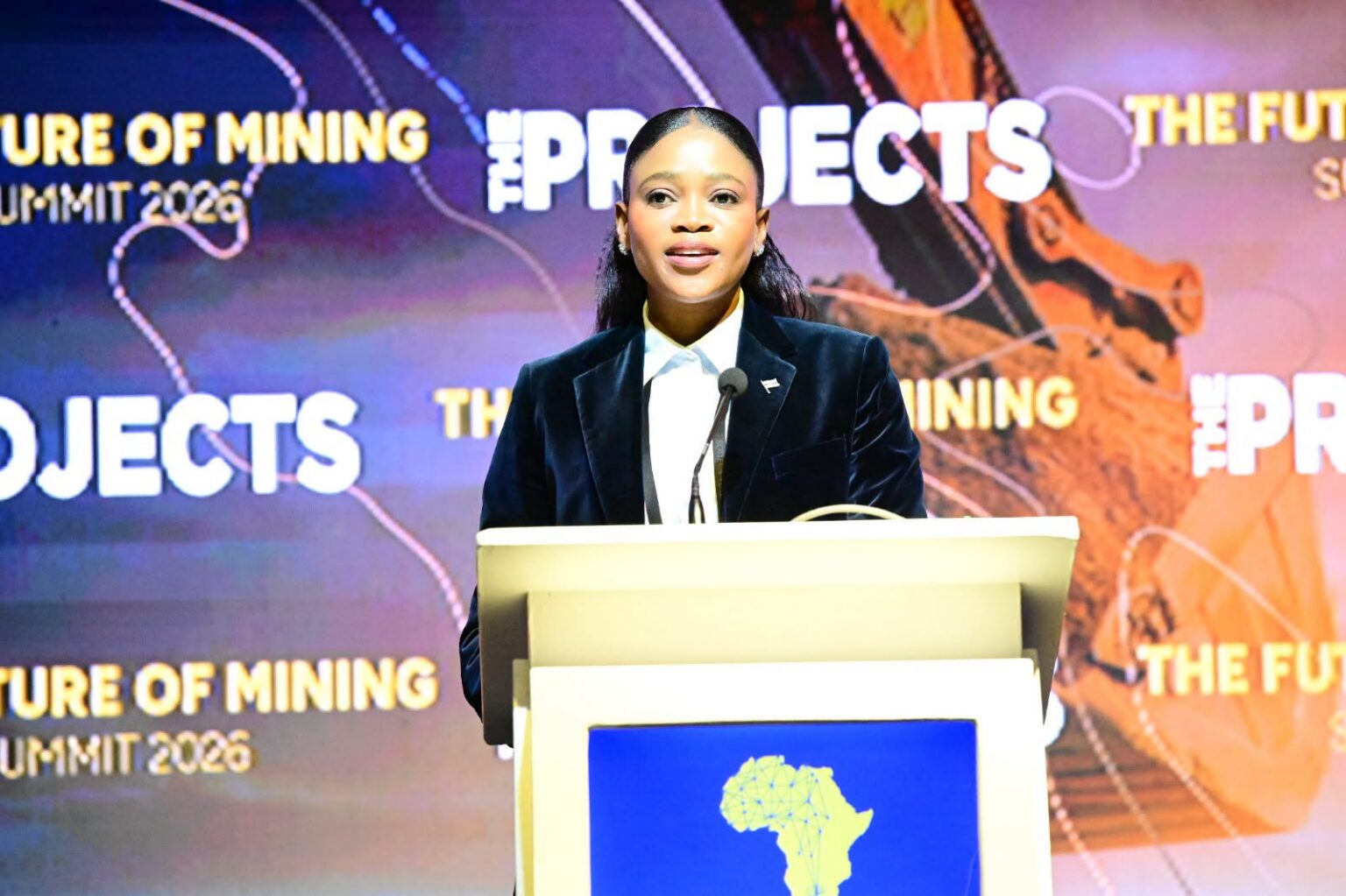
Officially opening the summit, the Minister of Minerals and Energy, Honourable Bogolo Joy Kenewendo, announced that the government is in the final stages of completing the new Mines and Minerals Regulations. These updated regulations are expected to introduce stricter requirements aimed at increasing value addition, strengthening citizen participation in the mining industry and discouraging speculative licence holding. The proposed framework seeks to ensure that mineral resources generate greater economic benefits for Botswana rather than serving short-term speculative interests. Among the key measures are minimum beneficiation requirements that encourage more minerals to be processed locally before export. The regulations also include stronger local content provisions that will increase opportunities for Botswana-owned businesses and workers throughout the mining value chain.
The Minister further explained that supporting small-scale mining forms an important part of the government’s broader strategy for inclusive economic growth. Small-scale miners often face challenges such as limited access to finance, technology and markets, yet they play a valuable role in creating employment and supporting rural livelihoods. Through the new regulatory framework, government intends to provide greater support while ensuring responsible mining practices and improved compliance with industry standards. Expanding opportunities for citizen-owned mining enterprises is expected to strengthen entrepreneurship and broaden participation in the sector. These initiatives demonstrate Botswana’s commitment to ensuring that mining contributes to shared prosperity rather than benefiting only a limited number of stakeholders.
As Botswana celebrates 60 years of Independence and diamond-driven development, the Minister highlighted the country’s continued position as a global leader in the diamond industry. Diamonds have played a defining role in Botswana’s economic success, providing revenues that have funded national development for decades. However, the government recognises that future growth will depend on expanding opportunities beyond traditional mining activities while maintaining leadership in the sector. The anniversary serves as both a celebration of past achievements and a reminder of the importance of planning for the future. Botswana’s experience illustrates how responsible resource management can support long-term national development when combined with sound governance and strategic investment.
Minister Kenewendo also challenged the mining industry to align its activities with the priorities outlined in National Development Plan 12 (NDP 12) and the Botswana Economic Transformation Programme. She encouraged companies to focus on creating meaningful employment opportunities, promoting citizen economic empowerment and strengthening corporate social responsibility initiatives. Environmental, social and governance, commonly known as ESG, performance was also identified as a critical area requiring continued attention from mining companies operating in Botswana. As global investors increasingly prioritise sustainability, strong ESG practices are becoming essential for attracting investment and maintaining international competitiveness. The Minister’s message reinforced the expectation that mining companies should contribute positively to communities, protect the environment and support national development goals.
The Future of Mining Summit continues to establish itself as one of the leading platforms for dialogue on the future of mining in Botswana and across the region. The event brings together mining executives, policymakers, government leaders, investors, technical experts and ESG stakeholders to exchange ideas, discuss emerging trends and develop practical solutions for the industry’s future. These conversations are becoming increasingly important as countries seek to balance economic growth with environmental responsibility, technological innovation and social inclusion. Collaboration between government and industry is expected to play a key role in addressing future challenges while unlocking new opportunities. By encouraging open dialogue among all stakeholders, the summit supports informed decision-making that can strengthen Botswana’s mining sector for years to come.
The opening of the third Future of Mining Summit highlights Botswana’s determination to use its mineral wealth as a catalyst for broad-based economic transformation rather than simply a source of export revenue. The keynote address by Vice President Ndaba Nkosinathi Gaolathe and the policy announcements by Minister Bogolo Joy Kenewendo presented a shared vision focused on value addition, industrial development, citizen empowerment and sustainable growth. Through reforms such as the new Mines and Minerals Regulations and the implementation of the Botswana Economic Transformation Programme, the government aims to position mining as a driver of long-term national prosperity. As industry leaders and policymakers continue their discussions throughout the summit, Botswana is demonstrating its commitment to building an economy that creates lasting opportunities for its people. The event reinforces the country’s ambition to ensure that its mining success is measured not only by the resources it extracts, but by the industries, jobs and shared prosperity it creates for generations to come.