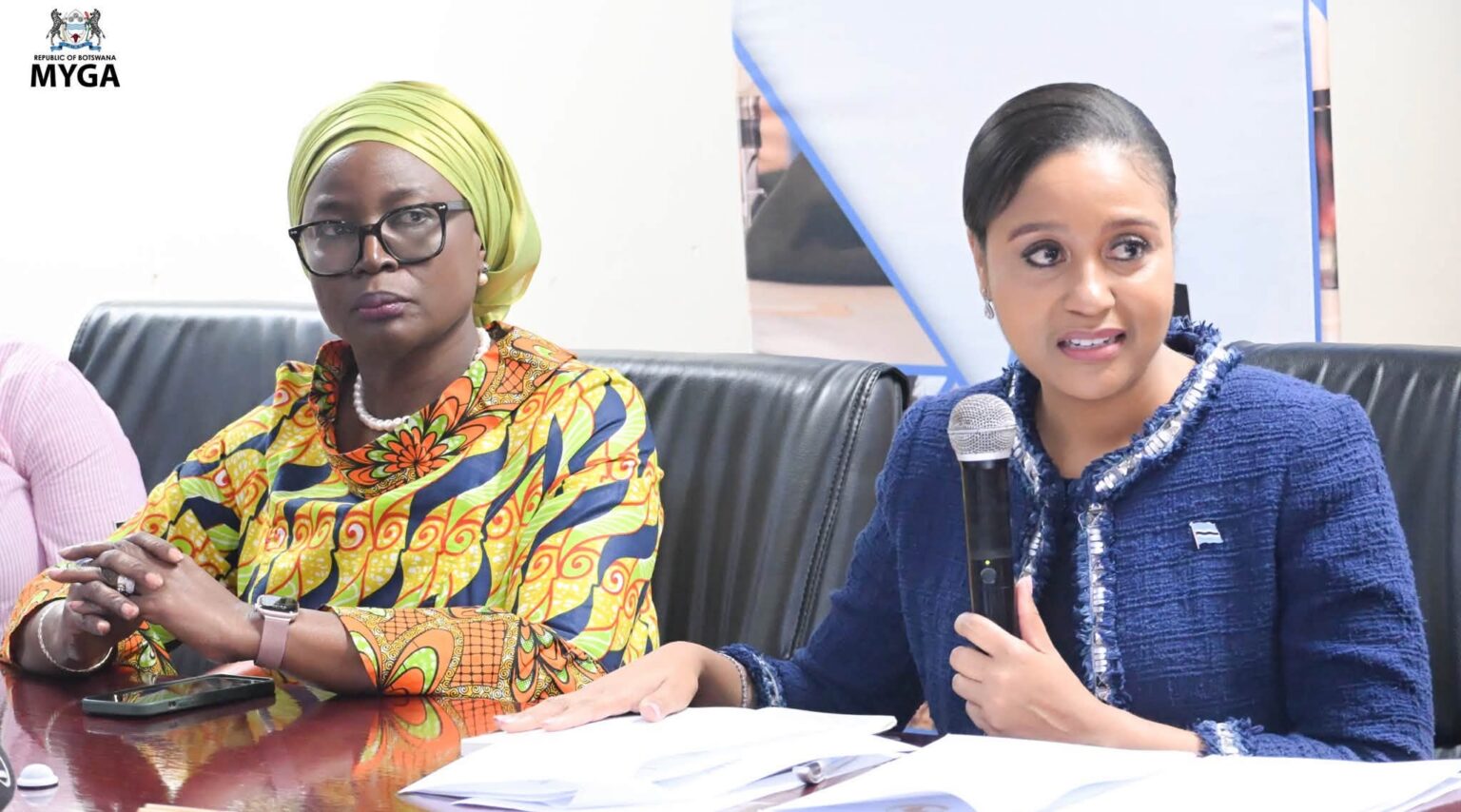
Botswana has taken another important step in its efforts to eliminate violence against women and girls following a high level press briefing hosted by the Ministry of Youth and Gender Affairs. The briefing was led by the Ministry’s Permanent Secretary, Ms. Natasha Rampa, and marked the conclusion of the African Union Commission’s three day Technical Assistance and Advocacy Mission to Botswana. The mission focused on supporting the country’s journey toward the ratification, domestication and implementation of the African Union Convention aimed at ending violence against women and girls. Government officials, representatives from regional organizations, civil society groups and international partners gathered to review progress and discuss the next phase of strengthening protections for women and girls. The event highlighted Botswana’s ongoing commitment to creating safer communities through stronger laws, effective policies and meaningful partnerships that address gender based violence.
The African Union Convention represents a significant regional commitment to preventing and eliminating violence against women and girls across the continent. Ratifying the Convention demonstrates a country’s willingness to adopt shared standards that promote human rights, gender equality and the protection of vulnerable groups. However, signing or ratifying an agreement is only the beginning of a much broader process. Countries must also ensure that their national laws, policies and institutions fully reflect the commitments outlined in the Convention. This process requires cooperation across multiple sectors, including government departments, law enforcement agencies, judicial institutions, healthcare providers, education systems and civil society organizations.
Speaking during the briefing, Permanent Secretary Ms. Natasha Rampa praised the strong collaboration that had been demonstrated throughout the three day mission. She noted that Botswana already has a solid foundation of policies and institutional frameworks that place the country in a favorable position to align with regional and continental conventions. According to Ms. Rampa, these existing structures provide an opportunity to strengthen current efforts rather than start from scratch. She emphasized that continued dialogue among stakeholders will remain essential as Botswana advances toward full implementation of the Convention. Her remarks reflected confidence in the country’s ability to build on existing achievements while addressing any remaining gaps.
Ms. Rampa also highlighted the importance of building lasting partnerships with civil society organizations that work directly with communities affected by gender based violence. These organizations often provide valuable services such as counseling, legal assistance, shelter and public education that complement government initiatives. By strengthening collaboration between government institutions and civil society, Botswana can create a more coordinated and effective response to violence against women and girls. She further stressed the importance of maintaining a responsive and well equipped security sector capable of protecting victims, investigating cases thoroughly and ensuring that justice is delivered. These partnerships are expected to play a vital role in translating policy commitments into practical action that benefits communities across the country.
Representing the visiting African Union delegation, AU Commissioner Hon. Janet Ramatoulie Sallah-Njie commended Botswana for the significant progress it has already made in tackling gender based violence. She pointed to advances in prevention measures, protection mechanisms and response systems that support survivors and hold perpetrators accountable. According to Commissioner Sallah-Njie, Botswana’s legal and policy environment already reflects many of the principles promoted by the African Union Convention. She indicated that only limited adjustments may be needed to achieve full alignment with the Convention’s requirements. Her assessment provided encouragement that Botswana is well positioned to move forward with confidence in the ratification and implementation process.
The Commissioner’s remarks also underscored the importance of viewing gender based violence as both a human rights issue and a development challenge. Violence against women and girls affects families, communities and national economies by limiting educational opportunities, reducing workforce participation and placing pressure on healthcare and social support systems. Addressing these issues therefore contributes not only to protecting individual rights but also to advancing sustainable development. Botswana’s continued investment in prevention, education and survivor support demonstrates recognition of these wider social and economic impacts. Such an integrated approach strengthens national resilience while promoting equality and social justice.
During the briefing, Ambassador Athaliah Molokomme of Gender Links commended the Ministry of Youth and Gender Affairs and the African Union for conducting broad stakeholder engagements throughout the mission. She observed that civil society organizations, national institutions and regional actors had all been meaningfully included in discussions surrounding the Convention. This inclusive approach allows different perspectives and experiences to shape policies that are more practical and responsive to community needs. Ambassador Molokomme emphasized that meaningful participation from all sectors increases public ownership of the implementation process. Such collaboration also helps identify challenges early and develop practical solutions that reflect local realities.
Ambassador Molokomme further highlighted the important contribution of the Southern African Development Community in advancing gender equality across the region. She explained that stronger alignment between regional frameworks and continental agreements can improve consistency in policy development and implementation. Countries often participate in multiple regional and international agreements, making coordination essential for achieving lasting results. Harmonizing these commitments can reduce duplication, strengthen accountability and encourage the sharing of successful strategies among member states. Her comments reinforced the value of regional cooperation in addressing challenges that affect multiple countries across Africa.
One of the most important points raised during the briefing was the distinction between ratification and implementation. Ratifying an international or regional convention is an important political commitment, but meaningful progress depends on how effectively those commitments are translated into national legislation, public policies and day to day institutional practices. Domestication requires reviewing existing laws, introducing necessary legal reforms and ensuring that government institutions have the resources and capacity to enforce new standards. Successful implementation also depends on continuous public education so that citizens understand their rights and know how to access available support services. Sustained commitment from government leaders, civil society organizations and development partners remains essential throughout this process.
Botswana’s engagement with the African Union Commission reflects a broader commitment to strengthening gender equality, protecting human rights and preventing violence against women and girls. The positive assessments shared by Ms. Natasha Rampa, AU Commissioner Hon. Janet Ramatoulie Sallah-Njie and Ambassador Athaliah Molokomme demonstrate that the country has already established a strong foundation for future progress. Continued collaboration between government, regional institutions, civil society organizations and communities will be critical as Botswana moves toward full ratification, domestication and implementation of the African Union Convention. While important work still lies ahead, the commitment shown during the three day mission provides optimism that meaningful and lasting change can be achieved. Through sustained partnerships, effective policies and determined leadership, Botswana is strengthening its efforts to create a safer and more equitable future for women and girls across the nation.