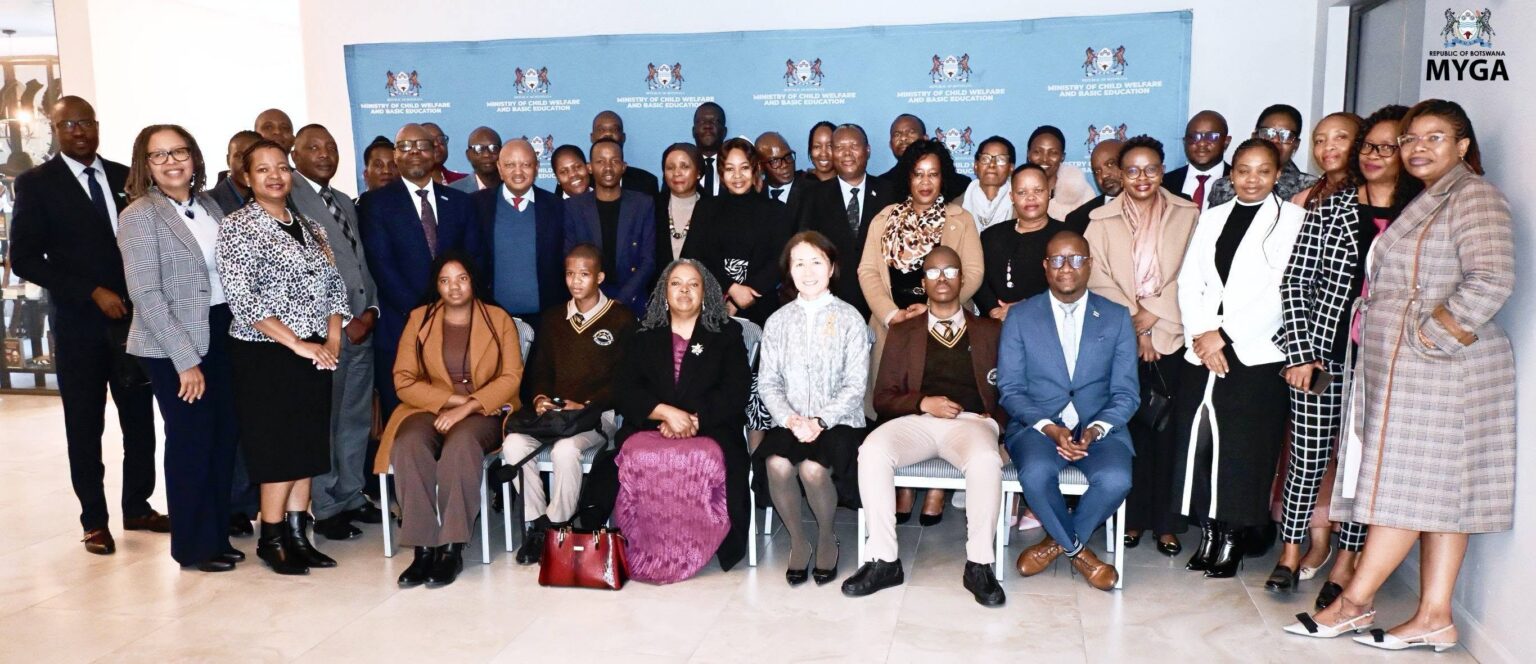
Botswana has reaffirmed its commitment to improving the health, education and overall well-being of young people through stronger collaboration and coordinated action across government and international partners. The Ministries of Child Welfare and Basic Education, Health, and Youth and Gender Affairs, working together with the United Nations, convened an Eastern and Southern Africa (ESA) Ministerial Commitment Breakfast Leadership Orientation Meeting. The gathering brought together senior government officials and development partners to review progress and strengthen efforts aimed at advancing Sexual and Reproductive Health and Rights (SRHR) for adolescents and young people. The meeting highlighted the importance of unified leadership in addressing challenges that continue to affect the country’s youth. It also reinforced Botswana’s determination to meet its national and regional commitments while ensuring that every young person has the opportunity to lead a healthy and productive life.
The primary objective of the engagement was to reaffirm the participating ministries’ commitment to advancing Sexual and Reproductive Health and Rights through coordinated policies, programmes and partnerships. Adolescents and young people face a range of complex challenges that require responses from multiple sectors, including education, healthcare and youth development. By bringing together leaders from different ministries, the meeting created an opportunity to strengthen collaboration and ensure that government interventions are aligned. The discussions also focused on reviewing current strategies and identifying practical ways to improve service delivery for young people. This coordinated approach recognizes that lasting progress depends on strong partnerships and shared responsibility among all stakeholders.
Welcoming delegates to the meeting, Permanent Secretary in the Ministry of Child Welfare and Basic Education, Ms. Kamanakao, emphasized that the ESA Commitment represents a shared responsibility to improve the lives of Botswana’s youth. She noted that many young people continue to face significant challenges, including HIV infections, teenage pregnancies, school dropouts and substance abuse. These issues have far-reaching social and economic consequences for individuals, families and communities across the country. Addressing them requires comprehensive solutions that combine education, healthcare, social support and community engagement. Ms. Kamanakao stressed that protecting the well-being of young people remains essential to Botswana’s long-term development.
Ms. Kamanakao further explained that the success of the ESA Commitment depends on the collective efforts of government institutions, development partners, civil society organizations, educators, healthcare professionals and communities. She urged participants to identify existing gaps in current programmes while working together to develop practical solutions that respond to the needs of young people. Her remarks underscored the importance of ensuring that no child is left behind regardless of their background or circumstances. Inclusive policies and accessible services are critical for reaching vulnerable populations who may face barriers to education and healthcare. By strengthening cooperation among stakeholders, Botswana can create more effective systems that support the health and development of every young person.
Speaking on behalf of the United Nations in Botswana, Resident Coordinator Ms. Wenyang Yang reaffirmed the organization’s commitment to supporting the Government of Botswana as it works toward achieving its 2030 development targets. She emphasized that meaningful progress can only be achieved through strong collaboration between government, international organizations and local partners. According to Ms. Yang, unity has consistently produced positive outcomes and remains one of the most effective tools for addressing complex development challenges. She praised Botswana for the progress it has already made in advancing Sexual and Reproductive Health and Rights. At the same time, she noted that continued effort is required to address unintended pregnancies, substance abuse and the rising number of HIV infections among young people.
The meeting also provided an opportunity to assess the country’s progress against the objectives of the ESA Commitment while identifying areas requiring additional attention. Deputy Permanent Secretary in the Ministry of Child Welfare and Basic Education, Mr. Steve Bothasitse, explained that the gathering served as a high-level platform for reviewing commitment targets and evaluating the contribution of each participating ministry. He said the discussions also focused on identifying priority areas for action and strengthening monitoring and accountability mechanisms. Effective monitoring is essential to measuring progress, identifying challenges and ensuring that resources are directed where they are needed most. Strengthening accountability also helps ensure that commitments translate into measurable improvements in the lives of young people.
The ESA Commitment was launched in 2013 with the support of UNAIDS as a regional initiative aimed at improving the health, education and well-being of young people across Eastern and Southern Africa. The framework promotes coordinated multi-sectoral action by encouraging governments and partners to work together in addressing issues affecting adolescents and youth. Since its launch, the initiative has supported countries in developing policies and programmes that strengthen access to education, healthcare and essential support services. It also encourages evidence-based decision-making and stronger partnerships that contribute to sustainable development. Botswana’s continued participation demonstrates its commitment to regional cooperation and its recognition that youth development requires comprehensive and coordinated action.
The Eastern and Southern Africa Ministerial Commitment Breakfast Leadership Orientation Meeting reaffirmed Botswana’s dedication to protecting and empowering its young people through stronger partnerships and effective leadership. The discussions highlighted both the progress already achieved and the challenges that still require urgent attention, including HIV infections, unintended pregnancies, substance abuse and school dropouts. Contributions from government leaders and the United Nations emphasized that collaboration, accountability and shared responsibility remain essential for achieving lasting results. By reviewing priorities and strengthening implementation strategies, the participating ministries have reinforced their commitment to ensuring that no young person is left behind. As Botswana continues working toward its 2030 targets, the ESA Commitment will remain an important framework for advancing the health, education and future opportunities of adolescents and young people across the country.