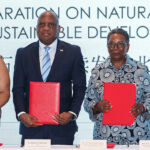

Quality education begins with safe, functional and inspiring learning environments that allow every child to reach their full potential. Across Botswana, efforts to improve public schools continue to gain momentum as organizations from different sectors step forward to support education. One of the latest contributors is Vunani Fund Managers Botswana, which has pledged P125,000 to EIMC’s #KeAbelaSekolo initiative. The donation highlights the company’s commitment to investing in the future of Botswana by helping create better educational spaces for learners. It also demonstrates how meaningful partnerships can accelerate positive change and ensure that more children have access to schools that encourage learning, growth and success.
The #KeAbelaSekolo initiative has become an important platform for mobilizing support to rebuild and improve Botswana’s public schools. By bringing together government, businesses, community organizations and individuals, the campaign seeks to address infrastructure challenges while creating environments where learners and teachers can perform at their best. Well-maintained classrooms, improved facilities and better educational resources all contribute to stronger academic outcomes and a more positive school experience. The initiative recognizes that education is a shared responsibility and that lasting progress depends on collective action. Every contribution strengthens the campaign’s ability to reach more schools and make a meaningful difference in the lives of thousands of learners.
Vunani Fund Managers Botswana’s generous contribution of P125,000 represents more than financial assistance. It reflects an understanding that investing in education is one of the most effective ways to support long-term national development. Schools are the foundation where future leaders, professionals, entrepreneurs and innovators begin building the knowledge and skills that will shape Botswana’s economy. By supporting improvements in public education, the company is helping create opportunities that extend well beyond the classroom. The investment also reinforces the importance of corporate social responsibility and demonstrates how businesses can contribute to sustainable community development.
The partnership between Vunani Fund Managers Botswana and the #KeAbelaSekolo initiative serves as another example of what can be achieved when different sectors unite around a common purpose. Government institutions play an essential role in delivering education, but private sector participation can provide additional resources and expertise that help accelerate development projects. Community involvement also remains vital because local support ensures that improvements are maintained and continue benefiting learners for years to come. When these three groups work together, they create stronger and more resilient education systems. Such collaboration provides a model for future partnerships aimed at addressing other social and developmental priorities across the country.
Speaking about the importance of the initiative, Vunani Fund Managers Botswana Managing Director Mr. Thabo Moipolai emphasized the lasting value of investing in education. He noted that every contribution made through the Ke Abela Sekolo campaign represents an investment in the nation’s children and in Botswana’s future prosperity. His remarks highlighted the belief that education is one of the strongest drivers of economic growth and social progress. He also pointed out that partnerships like this demonstrate what is possible when organizations unite with a shared commitment to creating better learning environments for every learner. His message reinforced the idea that collective responsibility is essential to building a brighter future for the next generation.
Improved learning environments have a direct impact on educational outcomes. Learners who attend schools with safe classrooms, reliable facilities and supportive spaces are often better able to focus on their studies and participate fully in school activities. Teachers also benefit from improved infrastructure, allowing them to deliver lessons more effectively and create engaging educational experiences. Investments in school improvements can increase attendance, boost learner motivation and strengthen academic performance over time. These benefits extend beyond individual schools by contributing to stronger communities and a more skilled workforce in the future.
Corporate partnerships such as this also encourage other organizations to become involved in community development initiatives. When businesses demonstrate leadership by supporting education, they inspire others to contribute their own resources and expertise toward national priorities. This creates a ripple effect that expands the impact of projects like #KeAbelaSekolo and helps more schools receive the support they need. Strong partnerships also build trust between the public and private sectors while reinforcing a shared commitment to improving the lives of citizens. As more organizations participate, the potential to transform Botswana’s education landscape continues to grow.
Vunani Fund Managers Botswana’s P125,000 contribution to EIMC’s #KeAbelaSekolo initiative represents an important investment in the future of Botswana’s children and the nation’s continued development. The partnership demonstrates how collaboration between government, businesses and communities can create lasting improvements in public education. Mr. Thabo Moipolai’s message serves as a reminder that every contribution, regardless of its size, helps build stronger learning environments and greater opportunities for learners across the country. As the initiative continues to attract support from committed partners, it strengthens the collective effort to rebuild schools and empower future generations. Through unity, shared responsibility and sustained investment in education, Botswana is taking meaningful steps toward ensuring that every learner has the opportunity to thrive.