Botswana is placing greater emphasis on investment in education as a way of improving the social, health and economic outcomes of adolescent girls and young women. The Care and Support for Teaching and Learning (CSTL) Unit within the Department of Learners Support Services yesterday hosted a one-day workshop focused on generating and examining evidence on the benefits of interventions that improve educational outcomes for adolescents and young girls. Held in collaboration with UNAIDS and UNESCO, the workshop brought attention to the strong links between education, health, social protection and economic empowerment. Participants considered how keeping adolescent girls and young women in school can help address several challenges that affect their development and future opportunities. The discussions highlighted the importance of using evidence to guide policies and interventions that can produce lasting improvements for young people and communities.
The workshop focused on the interconnected challenges of new HIV infections, gender-based violence, low educational attainment and limited economic empowerment among adolescents and young girls. These challenges can affect one another and create barriers that make it harder for young women to complete their education and transition successfully into adulthood. Keeping girls in school can provide them with knowledge, skills and support while creating opportunities to develop aspirations beyond the immediate challenges they may face. Participants therefore examined education not only as a pathway to academic achievement but also as an important intervention with wider health and social benefits. The discussions reinforced the need for government and partners to address these issues through coordinated approaches rather than treating each challenge as an isolated problem.
Participants noted that investment in education can contribute to several positive outcomes for adolescents and young women. Staying in school can support delayed sexual debut while increasing access to information and supportive environments that help young people make informed decisions about their health and relationships. Improved educational outcomes can also contribute to lower rates of teenage pregnancy and new HIV infections by strengthening knowledge, confidence and future opportunities. Education can provide young girls with greater access to skills that support economic independence and reduce some of the vulnerabilities associated with limited opportunities. These potential benefits demonstrate why investment in education should be viewed as part of a broader strategy for improving health, social development and economic participation.
The discussions also highlighted the importance of building the capabilities and aspirations of young girls. Participants stressed that interventions should help girls develop practical skills while strengthening positive attitudes and encouraging them to think differently about their futures. Opening young people’s minds to new possibilities can help them set educational, professional and personal goals that extend beyond the limitations they may experience in their current circumstances. Schools and support programmes can play an important role in creating environments where girls feel encouraged to pursue their ambitions and make informed choices. This approach recognises that successful education programmes must support the whole person rather than focusing only on academic performance.
The workshop further examined the long-term value of investing in education. Higher educational attainment can improve employment prospects while also contributing to better health and social outcomes throughout a person’s life. Young women who remain in school are more likely to gain knowledge and skills that can help them navigate health decisions, relationships and future economic opportunities. These benefits can extend beyond individuals because educated and economically empowered women can contribute to stronger families and communities. Education investment can therefore produce benefits that continue long after a learner has completed school. Policymakers and development partners can use this evidence to assess which interventions provide the greatest value and how they can be strengthened.
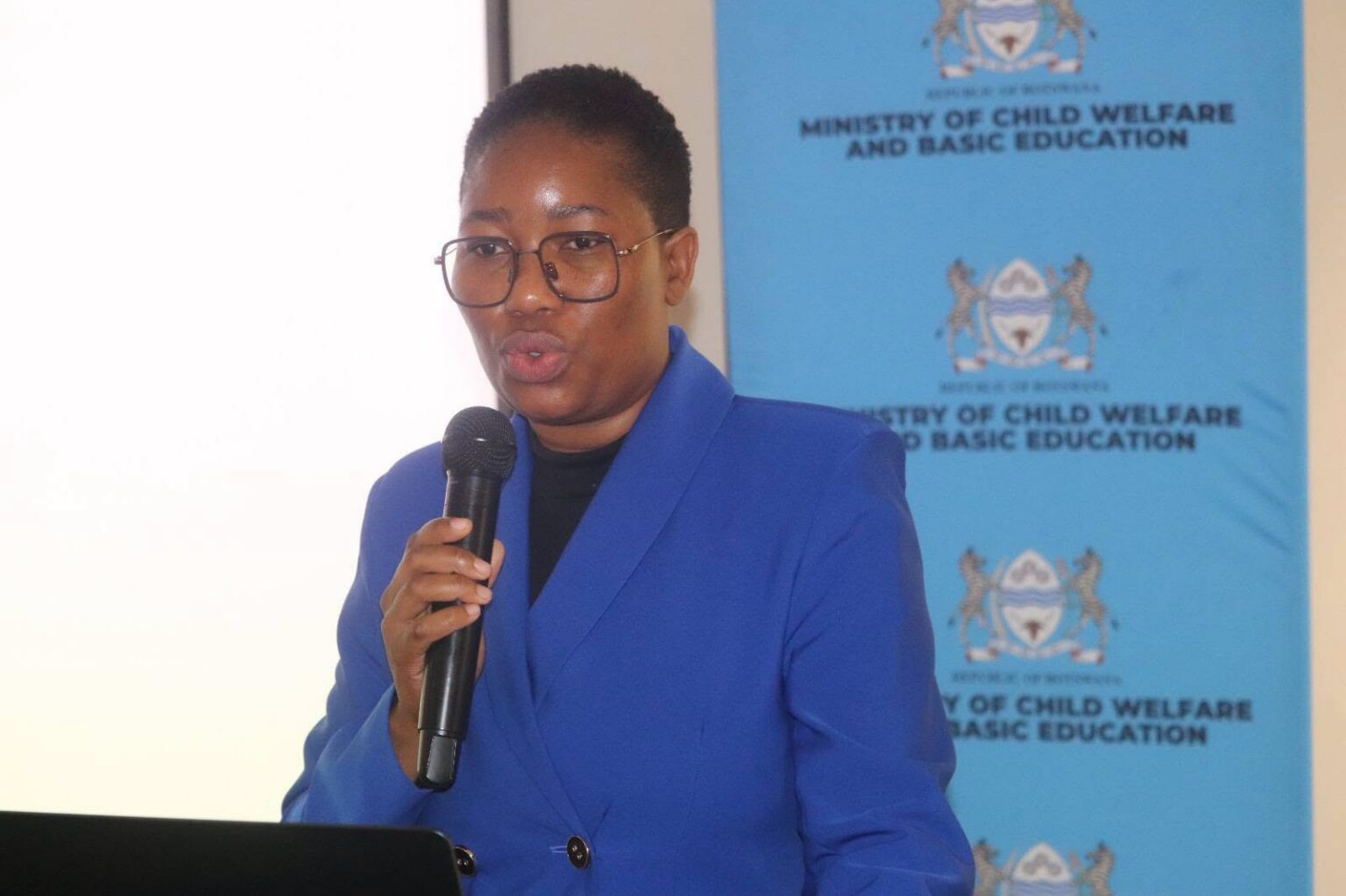
Director of the Department of Learners Support Services, Ms Felistus Motimedi, highlighted another important area requiring attention, the need to standardise a minimum package of services for adolescents and young girls at health facilities. A consistent package of services could help ensure that young people receive appropriate support regardless of where they seek care. Standardisation can also help health facilities establish clear expectations regarding the services and information that should be available to adolescents and young women. This is particularly important when addressing interconnected health and social challenges that may require more than one type of intervention. Strengthening the connection between education and health services could create a more coordinated support system for young people.
Ms Motimedi also encouraged participants to engage critically with the findings that were to be presented by the consultant. She urged stakeholders to interrogate the evidence, interpret it within their own contexts and assess whether the situation has improved or whether certain challenges have remained unchanged. This approach is important because national findings may not always reflect the different experiences of communities, schools and health facilities. Critical analysis can help policymakers identify where existing interventions are working and where additional action may be necessary. It can also prevent decisions from being based solely on assumptions by encouraging stakeholders to use evidence and local experience when shaping future programmes.
The Director further noted that government should consider the findings from different perspectives during policy engagements and determine what additional action may be required. This highlights the importance of collaboration between education, health and social development stakeholders when responding to the challenges faced by adolescent girls and young women. Policies designed in isolation may fail to address the multiple factors that influence whether young people remain in school and achieve positive health and social outcomes. Bringing different sectors together can help identify gaps and develop interventions that respond to the full range of needs affecting adolescents. The involvement of organisations such as UNAIDS and UNESCO also provides opportunities to draw on technical expertise and international evidence while adapting approaches to Botswana’s specific context.
Based on the findings, Ms Motimedi emphasised the need to strengthen and improve services so that communities ultimately receive quality and appropriate support. This means using evidence to identify weaknesses in existing systems and taking practical steps to address them. Improved services should respond to the actual needs of adolescents and young women while ensuring that support is accessible, relevant and consistent. Strengthening services also requires monitoring progress over time so that government and partners can determine whether interventions are achieving their intended outcomes. Continued assessment can help ensure that resources are directed towards programmes that provide measurable benefits for young people.
The CSTL workshop has therefore reinforced the importance of education as a foundation for improving the lives of adolescent girls and young women in Botswana. Keeping girls in school can support better educational outcomes while contributing to improved health, social development and future economic opportunities. The discussions also showed that education interventions must be supported by accessible health services, protection from gender-based violence, skills development and policies that respond to the realities faced by young people. By using evidence to assess progress, identify remaining challenges and strengthen services, Botswana can improve its response to the needs of adolescents and young women. The collaboration between the Department of Learners Support Services, UNAIDS and UNESCO provides an important platform for advancing interventions that can help more girls stay in school, build stronger futures and contribute positively to their communities.