Botswana’s tourism sector is turning greater attention towards digital technology and Artificial Intelligence as the industry looks for new ways to remain competitive and respond to changing traveller expectations. The Ministry of Environment and Tourism, through the Department of Tourism and the Botswana Tourism Organisation, in partnership with the Hospitality and Tourism Association of Botswana, hosted a World Tourism Day Activation yesterday at the Department of National Museum and Monuments. The event brought together tourism stakeholders to examine how digital innovation can support the growth and transformation of the country’s tourism industry. Discussions focused on the opportunities created by digital platforms, emerging technologies and Artificial Intelligence in improving the way tourism businesses reach and serve visitors. The activation also highlighted the importance of ensuring that the benefits of digital transformation extend to businesses of different sizes across the tourism value chain.
The activation was held under the global theme, “Digital Agenda and Artificial Intelligence to Redesign Tourism,” placing technology at the centre of discussions about the future of the industry. The theme reflects the growing influence of digital tools on how travellers discover destinations, research accommodation, plan activities and make travel bookings. For Botswana, the increased use of technology presents opportunities to strengthen the country’s visibility in international and regional tourism markets. Digital platforms can also give local tourism operators new ways to showcase their services and connect directly with potential visitors. As technology continues to influence travel decisions, tourism businesses will need to adapt their digital strategies to ensure that Botswana remains accessible and visible to modern travellers.
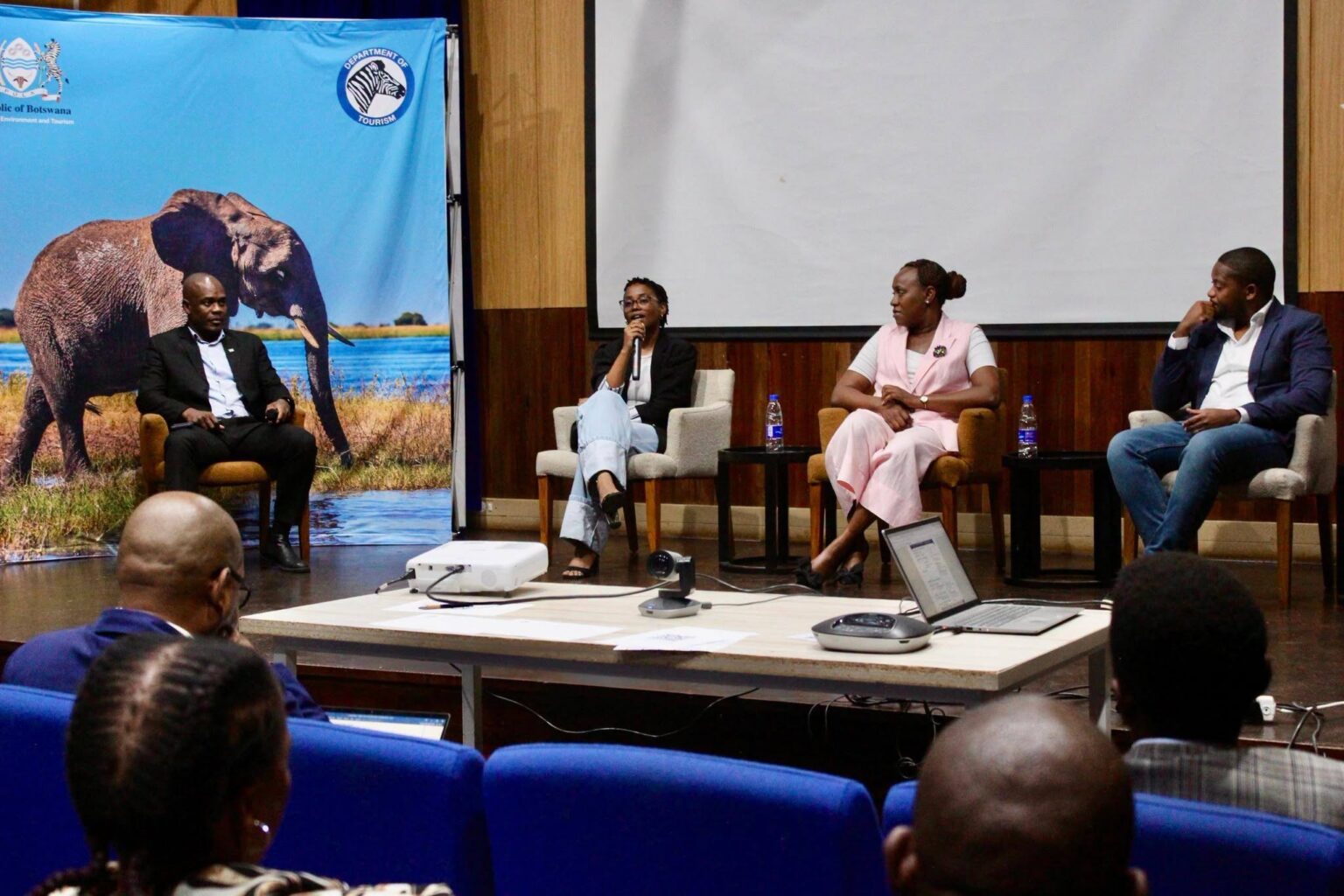
The World Tourism Day programme featured a panel discussion examining the impact of technology on the tourism industry and the changes taking place as digital tools become more widely used. Participants considered how technology can influence tourism marketing, customer engagement and the overall visitor experience. The discussion also provided an opportunity to consider how Artificial Intelligence could support tourism businesses as they respond to changing consumer behaviour. AI technologies are increasingly being used in areas such as digital communication, personalised recommendations, data analysis and customer service across the global tourism industry. For Botswana, understanding these developments could help tourism stakeholders identify practical applications that improve efficiency while maintaining the quality and authenticity of the visitor experience.
The Botswana Tourism Organisation also delivered a presentation focused on how tourism businesses can make more effective use of digital platforms and markets. The presentation highlighted the importance of having a strong online presence as travellers increasingly use digital channels when choosing destinations, accommodation and tourism activities. For local operators, digital platforms can provide access to potential customers beyond Botswana and help smaller businesses compete for attention in wider tourism markets. Effective use of online marketing can also allow businesses to communicate directly with travellers and provide updated information about their products and services. Strengthening digital capabilities among tourism operators could therefore play an important role in expanding the reach of Botswana’s tourism offerings.
UB-Unipod also contributed to the programme by highlighting the potential of digital technology to support improvements within Botswana’s tourism sector. The involvement of a technology-focused institution demonstrated the importance of connecting tourism development with innovation and technical expertise. Digital solutions can potentially assist tourism businesses with areas such as marketing, communication, information management and customer engagement. They can also support the development of new tourism experiences that make use of interactive and data-driven technologies. Building stronger connections between the tourism and technology sectors could create opportunities for local innovators to develop solutions that respond specifically to the needs of Botswana’s tourism industry.
In his welcome remarks, the Director of the Department of Tourism, Mr Pule, emphasised the need for the tourism sector to embrace digital tools to remain competitive and visible to the modern traveller. His message highlighted the reality that travellers increasingly rely on digital information before deciding where to go, what to do and where to stay. Tourism businesses that understand how to use these platforms can improve their ability to reach audiences and communicate the value of their services. Digital adoption can also help businesses respond more efficiently to customer enquiries and changing market trends. For Botswana’s tourism sector, embracing these tools is becoming an important part of adapting to an increasingly technology-driven global tourism environment.
The partnership between the Department of Tourism, the Botswana Tourism Organisation and HATAB also demonstrated the importance of collaboration in advancing digital transformation. Government institutions provide policy direction and public sector support, while industry organisations bring practical knowledge of the challenges faced by tourism businesses. Bringing these different stakeholders together creates an opportunity to develop more coordinated approaches to technology adoption across the sector. Collaboration can also help identify areas where tourism operators require additional training, resources or support to benefit from digital tools. A coordinated approach will be important if Botswana wants digital transformation to reach beyond larger tourism businesses and become accessible across the wider industry.
Small, Medium and Micro Enterprises were also an important consideration during the activation, with stakeholders resolving to ensure that digital innovation creates opportunities for businesses across the tourism sector. SMMEs play an important role in providing tourism products and services and can benefit from greater access to digital markets. However, smaller businesses may face challenges related to digital skills, technology costs, online visibility and access to reliable digital infrastructure. Addressing these barriers will be necessary to ensure that technological development does not widen the gap between larger established operators and smaller businesses. Providing practical support and opportunities for digital capacity building could help more SMMEs participate meaningfully in Botswana’s evolving tourism economy.
The focus on Artificial Intelligence also comes as tourism businesses around the world explore ways to use emerging technologies to improve operations and understand their customers. AI can assist with analysing large amounts of information, supporting customer communication and identifying patterns in travel demand. It can also help businesses develop more targeted digital marketing strategies and improve the way they present information to potential visitors. However, the adoption of AI will require tourism stakeholders to consider issues such as skills, responsible use of technology, data protection and the need to retain human interaction in the hospitality experience. Botswana’s tourism sector will therefore need to balance innovation with the quality of service and cultural experiences that remain central to the country’s tourism offering.
The discussions at the World Tourism Day Activation also reinforced the connection between digital transformation and sustainable tourism growth. Technology can support businesses in reaching new markets while helping tourism stakeholders access information that can inform planning and decision-making. Digital platforms can also improve communication between tourism operators and visitors, potentially making it easier for travellers to discover a wider range of destinations and experiences across Botswana. Ensuring that innovation remains inclusive will be important so that communities, local businesses and smaller operators can participate in the benefits created by tourism growth. Digital transformation can therefore become part of a broader strategy for building a tourism sector that is more connected, adaptable and accessible.
The World Tourism Day Activation provided an important platform for Botswana’s tourism stakeholders to examine how technology and Artificial Intelligence could influence the industry’s future. The collaboration between the Ministry of Environment and Tourism, the Department of Tourism, the Botswana Tourism Organisation and HATAB demonstrated the need for coordinated action as the sector responds to rapid digital changes. The involvement of UB-Unipod and other stakeholders further highlighted the value of bringing technology expertise into tourism development discussions. With travellers increasingly relying on digital tools throughout their travel journeys, Botswana’s tourism businesses have an opportunity to strengthen their visibility and improve how they connect with markets. The stakeholders’ commitment to collaboration and inclusive digital innovation will be important as Botswana works to position its tourism sector for sustainable growth in an increasingly digital global market.