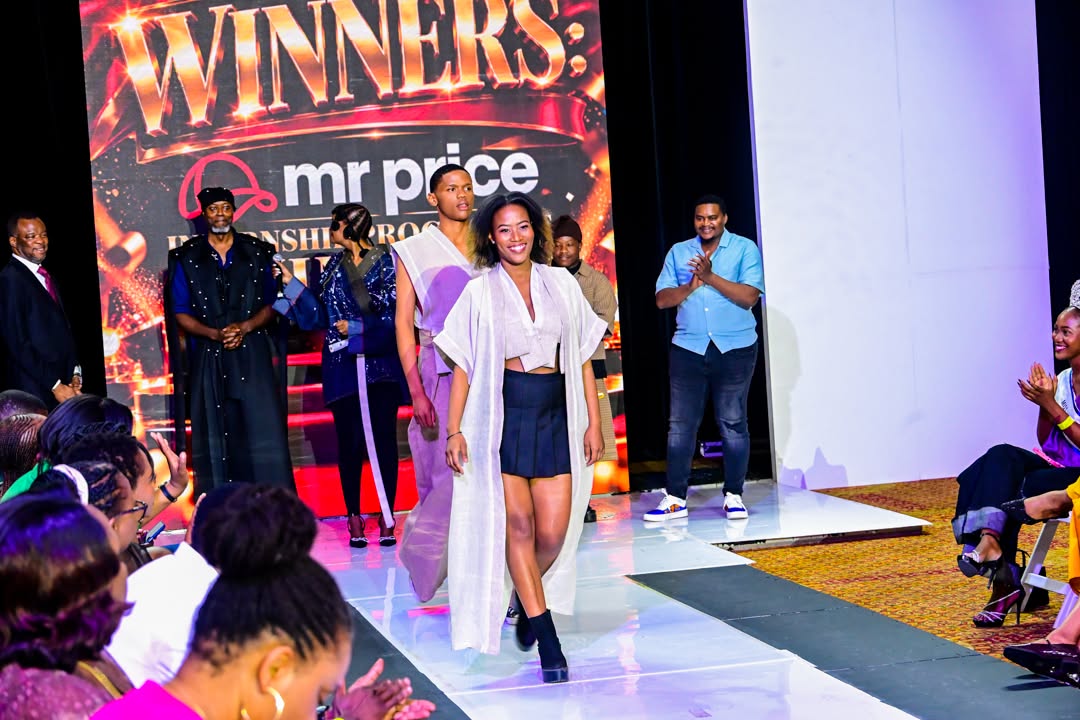
Fashion Without Borders in Gaborone celebrated an important achievement for Southern African fashion by recognising three designers selected for a three-month internship with Mr Price in Durban, South Africa. The opportunity brought attention to the creative talent emerging from Botswana and highlighted the value of regional collaboration in the fashion industry. Botswana’s Tru’D and Isago Ntle Designs joined South Africa’s Prima Clothing as the three selected participants, representing a shared commitment to developing fashion talent across borders. Their selection marked a significant moment for the designers, who now have an opportunity to gain industry experience and strengthen their professional skills. For Botswana’s fashion industry, the achievement also demonstrated how local creativity can connect with wider markets, established retail businesses and new opportunities for growth.
Fashion Without Borders has provided a platform for celebrating fashion as a form of creative expression, cultural identity and economic opportunity. By bringing together designers and industry stakeholders, events of this nature can help emerging talent gain visibility and build relationships beyond their immediate markets. Gaborone, Botswana’s capital, offers an important setting for these conversations because it brings together local businesses, creative professionals and audiences interested in the country’s evolving cultural industries. The recognition of Tru’D and Isago Ntle Designs placed Botswana’s fashion talent at the centre of an encouraging development for the local creative sector. It also highlighted the importance of creating opportunities that allow designers to develop their ideas while learning how the broader fashion business operates.
The selection of Tru’D and Isago Ntle Designs is particularly meaningful because emerging designers often face challenges when moving from creative work to sustainable businesses. Designing attractive clothing requires imagination, technical ability and an understanding of materials, construction and fit. Building a successful fashion brand also involves managing production, meeting customer expectations, controlling costs and presenting collections to the right audience. Opportunities to learn within an established retail environment can help designers understand how these different responsibilities connect. For Botswana’s fashion industry, supporting designers at this stage can contribute to a stronger foundation for future business development and greater recognition of local creative work.
The three-month Mr Price internship in Durban offers the selected designers an opportunity to gain experience in a different professional environment. Durban is an important urban centre in South Africa, with a diverse commercial and cultural landscape that can expose visiting designers to new perspectives. An internship with a major fashion retailer may provide insight into the processes involved in developing products for customers, coordinating teams and working within a structured business environment. The specific duties and training arrangements for the selected designers have not been detailed, but practical exposure to the retail sector can be valuable for anyone seeking to grow a fashion career. The experience may also help the participants identify areas where they can improve their technical knowledge, strengthen their business skills and refine their approach to future collections.
Mr Price’s involvement adds another dimension to the achievement because retail businesses play an important role in connecting fashion design with consumers. The fashion industry extends beyond the creation of individual garments, involving decisions about design, materials, pricing, production, distribution and customer preferences. Understanding these processes can help designers make informed choices about the products they create and the audiences they want to reach. For independent labels, knowledge of the retail environment can also support better planning and more realistic approaches to production. Although an internship does not guarantee future employment or commercial success, the opportunity to learn from an established company can provide a useful starting point for professional growth.
The inclusion of Prima Clothing from South Africa alongside Botswana’s Tru’D and Isago Ntle Designs gives the achievement a regional dimension. Fashion businesses across Southern Africa operate within markets that have different customer preferences, production capabilities and commercial conditions, yet they share many opportunities for collaboration. Bringing designers from neighbouring countries into the same development initiative can encourage the exchange of ideas and help participants understand the wider regional fashion landscape. Such experiences can also challenge the idea that creative talent must remain within national boundaries to develop successfully. The participation of designers from both countries illustrates how fashion can create connections through shared learning, professional relationships and a common interest in design.
For Botswana, the recognition comes at a time when creative entrepreneurship offers opportunities to diversify how local talent contributes to the economy. Fashion can create work across several areas, including garment production, textile sourcing, photography, styling, marketing and retail. Independent designers can also contribute to the preservation and reinterpretation of cultural influences through contemporary clothing and original design concepts. However, turning creative potential into a sustainable industry requires more than individual talent. Designers need access to training, business support, production resources, reliable suppliers and opportunities to reach paying customers. Initiatives that connect local creatives with established industry players can help address some of these needs by exposing participants to professional practices and broader networks.
The achievement also highlights the importance of investing in emerging designers before they reach the most visible stages of their careers. New fashion businesses may have strong creative ideas but limited access to industry contacts, practical training or the resources needed to expand. Structured learning opportunities can help bridge the gap between artistic ability and commercial understanding. Designers who gain experience in established businesses may return with a clearer sense of how to plan collections, communicate their brand identity and respond to market demands. They can then apply those lessons to their own work, share knowledge with other creatives and contribute to a more informed local fashion community.
Another important consideration is the role of visibility in helping designers build their brands. Recognition at an event such as Fashion Without Borders can introduce creative businesses to audiences who might not otherwise encounter their work. Increased visibility can encourage customers to explore locally designed clothing and help industry stakeholders identify new talent. For brands such as Tru’D and Isago Ntle Designs, participation in a regional opportunity can become part of a broader professional journey, especially if they use the experience to strengthen their portfolios and communicate their design identity. The long-term value of this recognition will depend on how the designers build on the opportunity, develop their businesses and maintain relationships within the industry.
The development of Botswana’s fashion industry also depends on building stronger links between designers, educational institutions, manufacturers, retailers and creative organisations. These relationships can help young talent understand the practical demands of the business while making it easier to identify partners for future projects. Fashion events can play a useful role by bringing people together, creating spaces for professional discussion and showcasing work that deserves greater attention. Internships add a practical dimension to this process by giving selected participants an opportunity to learn beyond the classroom or their own studios. When these opportunities are supported by continued mentorship and access to markets, they can contribute to a more sustainable environment for local fashion businesses.
Regional collaboration may also help Southern African designers explore opportunities beyond their home markets. Consumers increasingly encounter fashion through digital platforms, social media and online retail, allowing brands to introduce their work to audiences in different locations. However, reaching new customers still requires clear branding, consistent product quality, reliable fulfilment and an understanding of local market conditions. The experience gained through a professional internship may help designers think more carefully about these requirements as they develop their businesses. For Botswana’s creative sector, the wider goal is not simply to gain recognition abroad but to build local brands that can compete, adapt and grow while maintaining their own creative identities.
The celebration of Tru’D, Isago Ntle Designs and Prima Clothing therefore represents more than an encouraging moment for three fashion labels. It draws attention to the value of giving emerging designers access to professional development and regional networks. Their selection for a three-month Mr Price internship in Durban creates an opportunity to learn, build experience and explore new approaches to fashion design and business. For Botswana, the recognition offers a reason to celebrate local creative talent while continuing to invest in the structures that help designers succeed. The experience also reinforces the potential for collaboration between Botswana and South Africa to support a stronger Southern African fashion community.
Fashion Without Borders in Gaborone has placed a positive spotlight on the people shaping the future of fashion in the region. The recognition of Botswana’s Tru’D and Isago Ntle Designs alongside South Africa’s Prima Clothing demonstrates the value of connecting creative talent with opportunities for growth. As the selected designers undertake their internship in Durban, the experience offers a chance to gain knowledge that may support their future work and business ambitions. The wider challenge is to ensure that such opportunities lead to continued development through mentorship, investment, market access and support for local production. By celebrating emerging designers and creating pathways into the fashion industry, Botswana can strengthen its creative economy and build greater recognition for its homegrown fashion talent across Southern Africa and beyond.