
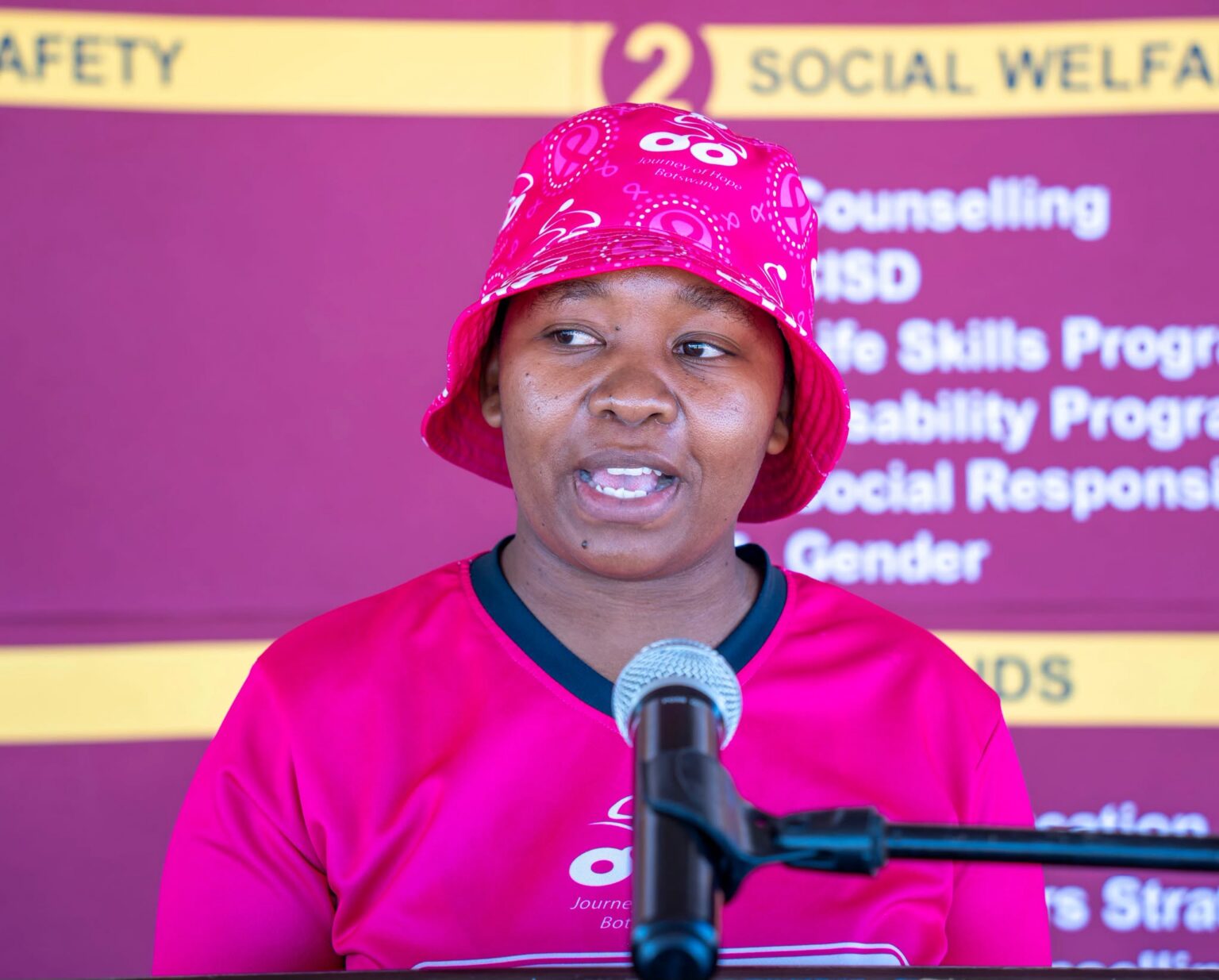
The Botswana Police Service (BPS) has strengthened its commitment to employee health and wellness through a Breast Cancer Awareness and Wellness Campaign held at the Botswana Police College in Otse on 29 October 2026. Organised through the Occupational Health and Safety, Chaplaincy and Social Welfare (OHSCSW) Unit, the campaign aimed to raise awareness about breast cancer, encourage early detection and promote healthier lifestyles among police personnel. Held under the theme “Every Story Is Unique, Every Journey Matters,” the initiative highlighted the importance of understanding breast cancer and ensuring that individuals have access to appropriate health information and support. It also provided an opportunity to emphasise the role of preventive healthcare in protecting the wellbeing of officers who serve in a demanding profession. The campaign forms part of the Botswana Police Service’s broader efforts to build a healthier, more resilient workforce capable of delivering effective policing and quality services to the public.
Breast cancer awareness remains an important public health issue because early detection can improve the chances of receiving timely treatment and managing the disease effectively. Breast cancer develops when abnormal cells in breast tissue grow uncontrollably, potentially forming a tumour that may spread to other parts of the body. Although the condition is more commonly diagnosed in women, men can also develop breast cancer. Awareness of possible symptoms and changes in breast tissue is therefore important for everyone. Through campaigns such as the one held at Otse, the Botswana Police Service is helping to encourage conversations about a disease that can affect individuals, families and communities.
The theme “Every Story Is Unique, Every Journey Matters” recognises that people experience breast cancer differently. Each person’s diagnosis, treatment experience, recovery process and support needs may vary depending on several factors. For individuals living with breast cancer, access to accurate information, appropriate medical care and emotional support can make an important difference throughout their journey. The theme also encourages compassion towards people affected by the disease and recognises the experiences of survivors, patients and their families. By placing individual experiences at the centre of the campaign, the BPS highlighted the importance of treating breast cancer awareness as both a healthcare priority and a matter of human support.
One of the central messages of the campaign was the importance of breast self-awareness. Individuals are encouraged to become familiar with the normal appearance and feel of their breasts so that they can recognise unusual changes and seek medical advice when necessary. Such changes may include a new lump, swelling, changes in breast size or shape, skin dimpling, nipple discharge or changes around the nipple. Not every breast change indicates cancer, but unusual or persistent symptoms should be assessed by a qualified healthcare professional. Understanding these warning signs can help people seek medical attention without unnecessary delays.
The campaign also highlighted the importance of regular clinical breast examinations and mammograms where appropriate. Clinical screening allows healthcare professionals to assess breast health and advise individuals on further investigations when necessary. Mammography uses specialised X-ray imaging to identify changes in breast tissue that may not be noticeable through physical examination. The recommended screening approach can depend on factors such as age, personal medical history and individual risk. People should therefore consult qualified healthcare providers to determine the screening options and schedules that are appropriate for them.
Early detection is an important part of breast cancer management because identifying the disease before it advances can provide more treatment options. However, screening does not replace the need to seek medical attention when symptoms appear. Individuals who notice unusual changes should not wait for their next routine screening appointment before consulting a healthcare professional. Medical assessment helps determine whether further tests are necessary and supports appropriate treatment decisions. The awareness campaign at Botswana Police College reinforced the importance of taking personal health seriously and making preventive healthcare part of everyday life.
The involvement of the Occupational Health and Safety, Chaplaincy and Social Welfare Unit also highlights the Botswana Police Service’s recognition that employee wellness extends beyond physical health. Police officers work in an environment that can involve demanding schedules, stressful situations, exposure to traumatic incidents and significant responsibilities. These conditions can affect physical health, emotional wellbeing and overall job performance if adequate support is not available. Workplace wellness programmes can help officers understand health risks, access relevant support services and take preventive action before medical conditions become more serious. By organising health awareness initiatives, the BPS is recognising that personnel wellbeing is an important part of effective public service.
The campaign is also aligned with Priority No. 7 of the Botswana Police Service Corporate Development Strategy 2026–2030, which focuses on Occupational Health, Wellness and Rehabilitation Support. This priority recognises the demanding nature of policing and the need to provide officers with sustained healthcare and wellness support throughout their careers. It seeks to build a resilient and mentally agile police service while reducing stress-related medical leave. It also emphasises the importance of ensuring that personnel receive appropriate support when dealing with health challenges. The breast cancer awareness initiative is consistent with this strategic direction because it promotes preventive healthcare and encourages officers to pay attention to their long-term wellbeing.
Occupational health has a direct connection to the ability of police officers to perform their duties effectively. Officers who have access to appropriate healthcare, wellness information and rehabilitation support are better positioned to manage the physical and psychological demands of their work. Preventive healthcare can also help organisations identify health concerns earlier and encourage employees to seek professional assistance when necessary. For the Botswana Police Service, investing in personnel wellness is therefore part of maintaining an effective workforce. A healthy workforce can support operational readiness, improve workplace morale and contribute to consistent service delivery.
Mental health is another important aspect of the BPS Corporate Development Strategy 2026–2030. Police officers may encounter difficult situations that require emotional resilience, sound judgement and the ability to manage pressure. Without appropriate support, prolonged stress can affect concentration, relationships, physical health and professional performance. Workplace wellness programmes can help create an environment where officers feel encouraged to seek assistance without fear of stigma. The involvement of the Chaplaincy and Social Welfare Unit is particularly relevant because it recognises the value of emotional, social and spiritual support alongside physical healthcare.
The breast cancer awareness campaign also highlights the importance of creating workplaces where employees can discuss health concerns openly. Some individuals may delay seeking medical attention because of fear, misinformation, embarrassment or uncertainty about available healthcare services. Awareness programmes can help address these barriers by providing reliable information and encouraging people to take responsibility for their health. They can also promote a supportive environment in which colleagues understand the challenges faced by people dealing with serious illnesses. Such an approach is important in a uniformed organisation where personnel may sometimes prioritise operational responsibilities over their personal healthcare needs.
For the Botswana Police Service, the long-term value of wellness campaigns depends on continued engagement beyond individual awareness events. Regular health education, access to appropriate screening services and clear referral pathways can help turn awareness into practical action. Officers should have opportunities to receive information about different health conditions and understand where to seek assistance. Management also has an important role in supporting workplace policies that encourage preventive care and provide reasonable support for personnel undergoing treatment or rehabilitation. Consistent implementation can help strengthen the organisation’s approach to employee health and occupational safety.
The campaign at Otse Police College also carries a wider message for families and communities across Botswana. Police officers are members of the same communities they serve, and health challenges affecting personnel can also affect their families and social networks. When officers become more informed about breast cancer, they can share useful information with relatives and encourage others to seek medical advice when necessary. Greater awareness can help reduce stigma and promote informed discussions about cancer prevention and early detection. The initiative therefore has the potential to contribute to public health awareness beyond the immediate police workforce.
The Botswana Police Service’s focus on wellness also reflects a broader understanding of the relationship between employee welfare and institutional performance. Effective policing requires more than equipment, training and operational planning. It also depends on personnel who are physically healthy, mentally prepared and supported throughout their careers. Health awareness campaigns help strengthen this foundation by encouraging individuals to make informed decisions about their wellbeing. Through Priority No. 7 of its Corporate Development Strategy, the BPS is placing personnel health within its wider organisational development objectives.
The Breast Cancer Awareness and Wellness Campaign held at Botswana Police College in Otse on 29 October 2026 demonstrates the importance of combining health education with long-term workplace wellness planning. Through its OHSCSW Unit, the Botswana Police Service used the initiative to promote breast cancer awareness, early detection, clinical screening and preventive healthcare. Its alignment with the Corporate Development Strategy 2026–2030 further highlights the organisation’s intention to strengthen occupational health, wellness and rehabilitation support. The message behind the theme, “Every Story Is Unique, Every Journey Matters,” also serves as a reminder that people affected by breast cancer deserve understanding, timely medical attention and continued support. By prioritising the health of its personnel, the Botswana Police Service is recognising that protecting those who serve the public is essential to building a resilient workforce and delivering quality policing services.