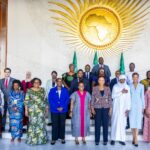
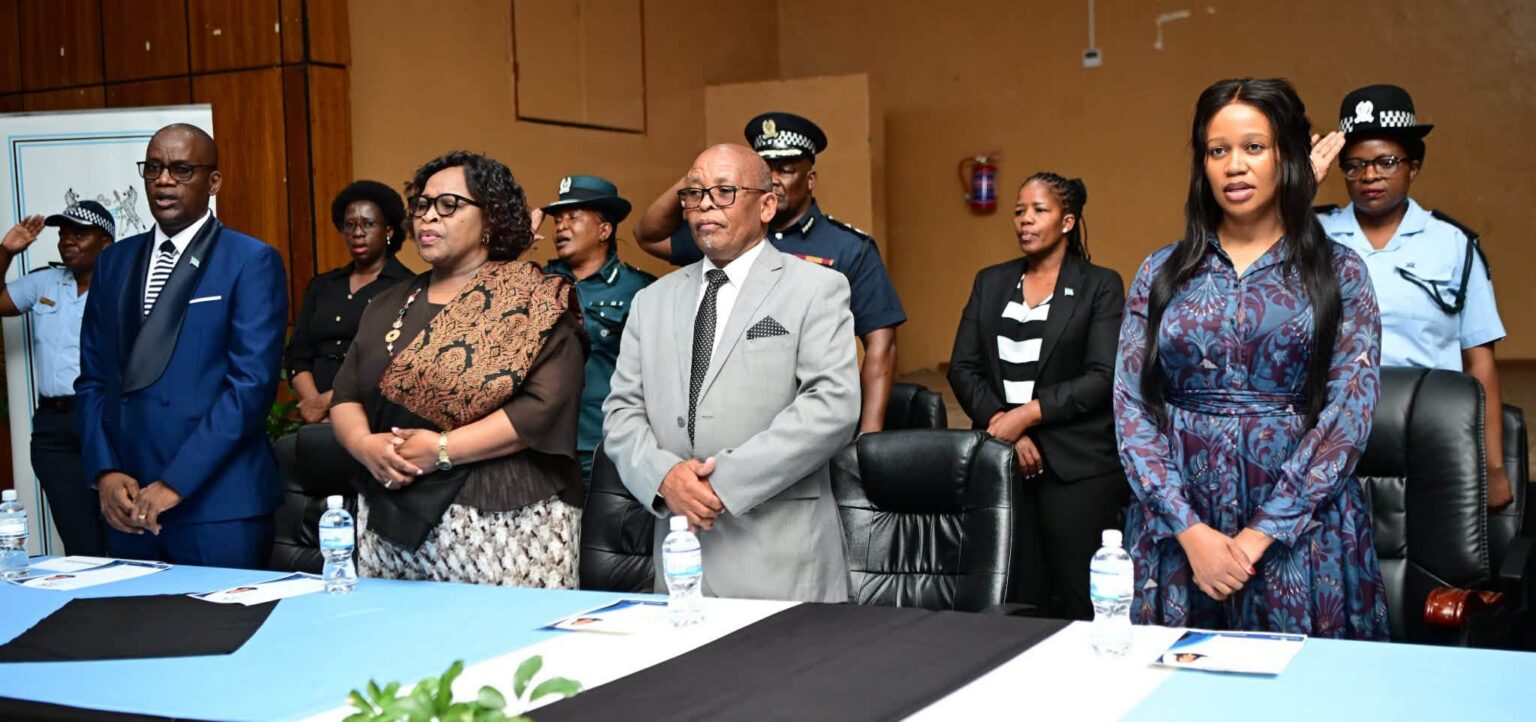
Botswana is placing renewed emphasis on prayer, thanksgiving and unity as preparations for the National Day of Prayer and Thanksgiving bring together religious leaders and representatives from different congregations. The national event, scheduled for 29 November in Francistown, is expected to provide an opportunity for people from different Christian communities to come together in prayer for the country, its leadership and its future. First Lady of Botswana Kaone Boko shared details of a meeting with church leaders and representatives from various congregations, describing the discussions as inspiring and productive. The meeting focused on preparations for the upcoming national gathering and the importance of working together to make the occasion meaningful. Her message also highlighted the role of faith, spiritual reflection and collective participation in promoting unity across Botswana.
The preparations draw inspiration from 2 Chronicles 7:14, a biblical passage that calls on God’s people to humble themselves, pray, seek His face and turn away from wrongdoing. The scripture promises that God will hear their prayers, forgive their sins and heal their land. It carries a message of repentance, humility and spiritual renewal that has significance for communities seeking guidance during challenging times. By placing this verse at the centre of the National Day of Prayer and Thanksgiving, organisers are highlighting the importance of looking beyond individual concerns and reflecting on the spiritual and moral direction of the nation. The passage also encourages believers to recognise prayer as an expression of dependence on God and a commitment to personal and collective transformation.
In her message, First Lady Kaone Boko revealed that she had held an inspiring meeting with leadership representatives and members of different congregations to discuss arrangements for this year’s national prayer gathering. She expressed appreciation to the religious leaders who attended and contributed their knowledge and experience to the discussions. Their participation helped make the meeting fruitful and provided an opportunity to consider the preparations needed for the national event. The involvement of different congregations also reflects the importance of cooperation among churches when organising an occasion that seeks to bring people together in faith. Her acknowledgement of the participants demonstrated appreciation for the role religious leaders play in supporting spiritual life and community engagement.
The National Day of Prayer and Thanksgiving is an opportunity for people across Botswana to reflect on the country’s journey, express gratitude and pray for continued peace and stability. Thanksgiving encourages citizens to recognise the blessings and progress experienced by the nation, while prayer provides an opportunity to seek wisdom and guidance for the challenges that remain. Such gatherings can also create space for reflection on issues affecting families, communities and the wider country. Religious leaders often play an important role in encouraging compassion, responsibility and peaceful relationships within society. Through collective prayer, participants can reaffirm shared values and strengthen their commitment to serving others.
The choice of Francistown as the venue for the 29 November gathering gives the city an important role in hosting this national occasion. As one of Botswana’s major urban centres, Francistown provides a setting where people from different communities can come together for a shared purpose. The event is expected to bring together worshippers, church representatives and other participants who wish to take part in a day dedicated to prayer and thanksgiving. Its national character places emphasis on participation beyond individual congregations and local church communities. It also provides an opportunity to demonstrate that faith-based gatherings can encourage cooperation and a shared sense of national responsibility.
The involvement of different church denominations and congregations is particularly important in promoting unity within Botswana’s Christian community. Churches may have different traditions, worship practices and organisational structures, but they share many values centred on faith, compassion, forgiveness and service. Bringing their representatives together creates opportunities to identify common priorities and work towards shared objectives. It also allows religious leaders to contribute their perspectives and help ensure that the event reflects the spirit of collective participation. A successful national prayer gathering depends not only on its programme but also on the willingness of different groups to work together.
The message of 2 Chronicles 7:14 also places responsibility on individuals and communities to examine their actions. The call to humility challenges people to put aside pride and acknowledge their need for God’s guidance. The instruction to pray and seek God’s face encourages a deeper relationship with Him rather than treating prayer as a once-off activity. The call to turn away from wicked ways highlights the importance of repentance and changing behaviour. These principles suggest that spiritual renewal involves more than gathering for a public event, as it also requires a sincere commitment to living according to values such as honesty, kindness, justice and respect for others.
For Botswana, a National Day of Prayer and Thanksgiving can provide an opportunity to reflect on issues affecting the country and its people. Citizens may use the occasion to pray for national leadership, economic development, employment opportunities, families, young people and vulnerable members of society. They can also give thanks for peace, community resilience and the opportunities available to future generations. Such prayers reflect the belief that national progress involves more than economic and political decisions. It also depends on the values, attitudes and actions of individuals who contribute to the wellbeing of their communities.
The meeting led by the First Lady also highlights the importance of collaboration between national leadership and religious institutions. Churches have established relationships with communities across the country and often contribute to social support, counselling, education and charitable activities. Their leaders understand many of the challenges facing the people they serve and can provide valuable perspectives during discussions about national events. Working with different congregations can help organisers build a programme that encourages broad participation and reflects the significance of the occasion. It can also strengthen relationships between religious communities and other stakeholders who share an interest in national unity and social wellbeing.
Prayer and thanksgiving also carry an important message for younger generations. Young people can be encouraged to understand the importance of faith, discipline, respect and responsibility through meaningful participation in community and religious activities. National gatherings provide opportunities for them to interact with religious leaders and people from different backgrounds. They can also encourage conversations about the role of values in addressing challenges such as social division, irresponsible behaviour and the pressures facing families. When young people see communities working together for a shared purpose, they gain an example of cooperation and mutual respect. This makes national prayer events relevant not only to established church communities but also to the country’s long-term social development.
The emphasis on thanksgiving is equally significant because it encourages people to recognise what they have rather than focusing exclusively on difficulties. Botswana, like other nations, faces challenges that require practical solutions, responsible leadership and cooperation among citizens. However, reflecting on achievements and expressing gratitude can strengthen hope and encourage a constructive attitude towards the future. For believers, thanksgiving is also an acknowledgement of God’s provision and faithfulness. Combining thanksgiving with prayer creates an opportunity to celebrate blessings while asking for wisdom to address unresolved challenges.
The upcoming National Day of Prayer and Thanksgiving in Francistown therefore represents more than a religious gathering. It provides an opportunity for people to reflect on their relationship with God, their responsibilities towards one another and their hopes for Botswana. The preparations involving the First Lady and representatives from different congregations demonstrate the value of consultation and collective planning. Kaone Boko’s appreciation of the religious leaders who attended the meeting also highlights the contribution of cooperation to organising a meaningful national occasion. As the event approaches, the message of 2 Chronicles 7:14 offers a reminder that lasting spiritual renewal begins with humility, sincere prayer and a willingness to change.
The National Day of Prayer and Thanksgiving on 29 November carries a message of faith, unity and national reflection for Botswana. Its central scripture challenges believers to seek God sincerely, turn away from wrongdoing and pray for the healing of their land. The involvement of different congregations offers an opportunity to strengthen relationships across the Christian community while encouraging shared responsibility for the country’s wellbeing. Beyond the gathering itself, the values highlighted by the scripture can guide individuals and communities in their everyday lives. As Botswana prepares for the occasion in Francistown, the hope is that prayer and thanksgiving will inspire renewed faith, stronger unity and a lasting commitment to building a peaceful and compassionate nation.