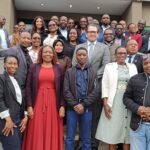

Botswana is hosting important discussions on the future of Africa’s creative economy as policymakers and creative industry professionals gather for the Africa Creative Economy Lens 2026 meeting at the Botswana Digital and Innovation Hub. The two-day high-level meeting began with an opening ceremony focused on how effective policies, suitable infrastructure and digital systems can help build sustainable creative industries across the continent. The discussions come at a time when creative professionals are seeking better opportunities to turn their talents into viable businesses, reach wider audiences and contribute to economic growth. A key message from the opening session was that government support must extend beyond providing funding to creating an enabling environment where creative entrepreneurs can develop their skills, strengthen their businesses and access new markets. Through discussions on digital infrastructure and creative economy value chains, the meeting aims to explore practical ways to strengthen Africa’s creative sectors and unlock their economic potential.
The opening ceremony set the direction for discussions on the policies and systems needed to support long-term growth in the creative economy. The sector includes a broad range of activities, such as music, film, fashion, visual arts, design, crafts, publishing and digital content creation. These industries rely on talent and original ideas, but their success also depends on access to business services, production facilities, reliable technology and opportunities to reach paying customers. Creative professionals often need support at different stages of their work, from developing an idea and producing a product to marketing it, distributing it and generating income. The Africa Creative Economy Lens 2026 meeting provides an opportunity for stakeholders to consider how national policies and regional cooperation can address these needs and create stronger conditions for creative businesses to grow.
Deputy Permanent Secretary for Arts in Botswana’s Ministry of Sport and Arts, Mr. Tebogo Matebesi, emphasized the need to broaden the government’s approach to supporting creatives. He explained that assistance should move beyond financing individuals and businesses towards creating an enabling environment in which creative minds can build stronger and more sustainable enterprises. This approach recognizes that financial support alone cannot resolve every challenge facing creative entrepreneurs. Businesses also need clear regulations, access to suitable workspaces, opportunities to develop professional skills and systems that connect their products with local and international markets. By focusing on these wider conditions, governments can help creatives establish businesses that generate income, create employment and contribute to the development of the broader economy.
The shift towards an enabling environment is particularly important because many creative professionals operate as freelancers, independent producers or small business owners. While creative talent provides the foundation for their work, running a successful enterprise also requires knowledge of budgeting, pricing, marketing, contracts and customer relationships. Access to professional networks and business development services can help creatives manage these responsibilities more effectively. Appropriate policies can also make it easier for creative businesses to understand regulatory requirements and explore opportunities for investment and expansion. The discussions at Africa Creative Economy Lens 2026 are therefore relevant to the wider goal of turning creative skills into sustainable economic activity rather than treating creative work solely as an artistic pursuit.
Digital infrastructure is expected to be one of the key topics during the two-day meeting. Digital technologies have changed how creative products are developed, promoted, distributed and consumed, creating opportunities for artists and businesses to reach audiences beyond their immediate communities. Musicians can distribute recordings online, filmmakers can use digital platforms to present their work, and designers can promote products through e-commerce and social media. However, taking advantage of these opportunities requires dependable internet access, appropriate equipment, digital skills and platforms that support the needs of creative professionals. Discussions on digital infrastructure can help identify the conditions needed to make these tools more accessible and useful across different parts of Africa.
Digital systems can also improve the efficiency of creative businesses by supporting online payments, audience engagement, project management and the distribution of digital products. For example, a fashion designer can use online platforms to display products and communicate with customers, while a filmmaker can use digital tools to coordinate production and promote a finished project. These tools can reduce some barriers to reaching new customers, although their benefits depend on connectivity, affordability and the ability to use them effectively. Creative businesses also need to understand digital rights, licensing and the protection of their original work. Strengthening digital infrastructure alongside practical training and appropriate policy frameworks can help creatives participate more effectively in the growing digital economy.
Another major area of discussion is the creation of stronger value chains within the creative economy. A value chain includes the different activities and participants involved in developing an idea, producing a creative product, bringing it to market and generating revenue from it. In the music industry, for instance, a successful release may involve songwriters, performers, producers, recording studios, distributors, promoters and live event organizers. Each participant contributes to the final product and may depend on the others to earn a sustainable income. Similar relationships exist in film, fashion, publishing and other creative sectors. Examining these connections can help policymakers identify gaps in infrastructure, skills, finance and market access that prevent creative professionals from capturing the full economic value of their work.
Stronger creative economy value chains can also create opportunities for businesses beyond the arts themselves. Film production can generate demand for equipment rental, transport, accommodation, catering and technical services. Music events can support venues, sound engineers, security providers, marketing agencies and local suppliers. Fashion and design businesses can create opportunities for manufacturers, retailers, photographers and digital marketers. These links show how investment in creative industries can support employment across several connected sectors. By strengthening the relationships between creative professionals and other businesses, African countries can develop more integrated creative economies that generate wider economic benefits.
The meeting also brings together policymakers and creatives, creating space for dialogue between people who develop policy and those who experience its effects in their daily work. This exchange is important because effective policies need to reflect the practical realities of creative businesses. Artists and entrepreneurs can explain the barriers they face when producing work, finding customers or protecting their intellectual property. Policymakers can use these insights to consider improvements to regulations, support programmes and infrastructure planning. Greater communication between these groups can help ensure that future initiatives address real industry needs and support measurable progress.
For Botswana, the discussions offer an opportunity to consider how the creative economy can contribute to national development and entrepreneurship. A supportive environment for creatives can encourage young people to develop their talents, establish businesses and explore new professional opportunities. It can also help established practitioners expand their operations and connect with regional or international markets. Achieving these outcomes requires more than a single meeting or funding programme. Progress depends on coordinated policies, sustained investment, professional development and practical support that helps creative businesses operate successfully over time.
The African context makes regional cooperation an important consideration in developing the creative economy. Creative products can cross national borders through digital distribution, touring, exhibitions, film festivals and commercial partnerships. However, differences in regulations, payment systems, distribution networks and market access can create challenges for businesses seeking to expand beyond their home countries. Cooperation between African governments and industry stakeholders can help identify shared priorities and opportunities to improve regional connections. Stronger links between creative markets can increase opportunities for collaboration, expand audiences and help African creative professionals build more competitive businesses.
The Africa Creative Economy Lens 2026 meeting also highlights the importance of treating the creative economy as a sector that requires long-term planning. Creative industries depend on artistic freedom and original ideas, but they also need reliable systems that support production, distribution and income generation. Governments can contribute by improving infrastructure, supporting skills development and creating policies that respond to the needs of creative entrepreneurs. Private businesses, investors, educational institutions and industry organizations also have roles to play in strengthening the sector. A coordinated approach can help create conditions in which creative professionals develop their work, protect their rights and build businesses capable of adapting to changing markets.
As the two-day meeting continues, its discussions on digital infrastructure, creative economy value chains and enabling policies will contribute to broader conversations about the future of Africa’s creative industries. The emphasis on moving beyond financial assistance reflects a growing need to support the full range of conditions that allow creative businesses to succeed. The opening remarks by Mr. Tebogo Matebesi placed sustainable enterprise development at the center of Botswana’s approach to supporting creative professionals. The meeting provides a platform for policymakers and industry participants to examine practical ways to improve the environment in which creatives work and do business. Lasting progress will depend on turning these discussions into policies, partnerships and infrastructure that help African creatives transform their talent into sustainable livelihoods and stronger businesses.