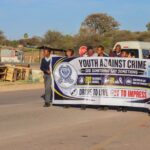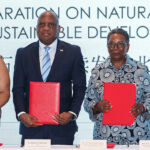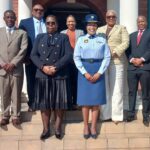

Botswana has taken another important step in strengthening its efforts to protect women and girls from violence following the arrival of the African Union Commission for a Technical Assistance Mission. The mission officially began with a courtesy call on the Ministry of Youth and Gender Affairs, marking the start of a collaborative process aimed at supporting Botswana in the ratification, domestication and implementation of the African Union Convention on Ending Violence Against Women and Girls (AU-CEVAWG). This engagement reflects the shared commitment of Botswana and the African Union to advancing gender equality, protecting human rights and creating safer communities. It also demonstrates the importance of regional cooperation in addressing one of the continent’s most pressing social challenges. Through this partnership, Botswana will receive technical support to strengthen its legal, policy and institutional responses to gender-based violence.
The African Union Convention on Ending Violence Against Women and Girls was developed to provide African countries with a comprehensive framework for preventing violence, protecting survivors and holding perpetrators accountable. The convention seeks to harmonize efforts across member states by promoting common standards that safeguard the rights and dignity of women and girls. It recognizes that violence against women and girls remains a major obstacle to social development, economic progress and gender equality across Africa. By encouraging countries to adopt stronger legal and policy measures, the convention aims to reduce violence while improving access to justice and support services for survivors. The African Union Commission’s mission to Botswana forms part of these wider continental efforts to strengthen implementation at the national level.
The courtesy call on the Ministry of Youth and Gender Affairs signaled the beginning of a structured technical engagement between Botswana and the African Union Commission. Such visits provide an opportunity for experts to work closely with government officials, assess existing frameworks and identify areas where additional support may be required. The mission is expected to facilitate discussions on the country’s legal and institutional readiness to ratify and implement the convention effectively. It also creates space for collaboration with various stakeholders involved in gender equality, child protection and social development. These consultations are essential for ensuring that future implementation reflects Botswana’s national context while remaining aligned with continental standards.
Ratification of the African Union Convention on Ending Violence Against Women and Girls would represent an important milestone in Botswana’s commitment to protecting the rights of women and girls. Ratification is the formal process through which a country agrees to be legally bound by an international or regional treaty. However, ratification alone is not sufficient to bring about meaningful change. The convention must also be domesticated by incorporating its provisions into national legislation, policies and institutional practices. This process helps ensure that the commitments made at the international level are translated into practical protections and services that benefit citizens.
The implementation phase is equally important because it determines how effectively the convention’s objectives are achieved in practice. Successful implementation requires coordinated action across multiple government departments, law enforcement agencies, the justice system, healthcare providers, educational institutions and civil society organizations. It also involves strengthening public awareness, improving reporting mechanisms and ensuring that survivors receive appropriate support services. Capacity building for professionals working in these sectors plays a critical role in improving responses to gender-based violence. The African Union Commission’s technical support is expected to help Botswana strengthen these systems and identify opportunities for further improvement.
Violence against women and girls continues to have far-reaching consequences that affect individuals, families and communities. Beyond the immediate physical and emotional harm experienced by survivors, gender-based violence also impacts education, employment, healthcare and economic participation. Children who witness violence may experience long-term psychological effects, while communities face increased social and economic costs. Addressing these challenges requires comprehensive strategies that focus on prevention, protection, prosecution and survivor support. The African Union Convention promotes this holistic approach by encouraging member states to address the root causes of violence while strengthening accountability.
Botswana has already demonstrated its commitment to promoting gender equality and protecting vulnerable groups through various laws, policies and programmes. The Technical Assistance Mission provides an opportunity to build upon these existing efforts while aligning national frameworks with evolving regional standards. Collaboration with the African Union Commission allows Botswana to benefit from technical expertise, shared experiences and best practices from across the continent. Learning from other African countries can help strengthen local responses while identifying innovative approaches to prevention and survivor support. Such partnerships contribute to more effective and sustainable policy development.
The involvement of the Ministry of Youth and Gender Affairs highlights the government’s recognition that ending violence against women and girls requires coordinated leadership and broad stakeholder engagement. Young people, community leaders, civil society organizations and development partners all have important roles to play in creating safer environments and promoting respect for human rights. Public education and community awareness remain essential tools for changing harmful attitudes and encouraging early intervention. Strengthening partnerships across sectors increases the likelihood of achieving lasting progress in preventing violence. The Technical Assistance Mission is therefore expected to foster greater collaboration among all those committed to advancing gender equality in Botswana.
The African Union Commission’s Technical Assistance Mission marks an important chapter in Botswana’s ongoing efforts to eliminate violence against women and girls and strengthen the protection of human rights. By supporting the ratification, domestication and implementation of the African Union Convention on Ending Violence Against Women and Girls, the mission reinforces the country’s commitment to creating safer and more inclusive communities. The collaboration between the African Union Commission and the Ministry of Youth and Gender Affairs demonstrates the value of regional partnerships in addressing complex social challenges. Through strengthened laws, effective institutions and coordinated implementation, Botswana can continue making meaningful progress in protecting women and girls from violence. The outcomes of this mission have the potential to strengthen national systems while contributing to the broader African goal of ending gender-based violence and promoting equality for all.