The search for lasting peace in the eastern Democratic Republic of the Congo (DRC) took center stage during a high-level public lecture at the University of Botswana (UB), where members of the African Union (AU) Panel of Facilitators emphasized that Africa must lead efforts to resolve one of the continent’s most complex and persistent conflicts. The event formed part of a three-day meeting held in Gaborone that brought together respected African leaders, diplomats, academics and peacebuilding experts committed to finding practical solutions for stability in the Great Lakes region. Discussions focused on moving beyond temporary ceasefires and addressing the deeper political, economic and social factors that continue to fuel violence. Participants agreed that meaningful peace cannot be imposed from outside the continent but must emerge through African leadership, regional cooperation and inclusive dialogue. The meeting highlighted the growing role of academic institutions, governments and civil society in supporting sustainable peace initiatives that place the needs of affected communities at the center of every decision.
The three-day gathering assembled an influential group of African leaders with extensive experience in diplomacy, governance and conflict resolution. The panel included African Union mediator Faure Gnassingbé of Togo, alongside former presidents Olusegun Obasanjo of Nigeria and Mokgweetsi Masisi of Botswana. They were joined by former Ethiopian President Sahle-Work Zewde, former Central African Republic President Catherine Samba-Panza and former Burundi President Domitien Ndayizeye. Their combined experience reflected the African Union’s commitment to drawing on the wisdom of seasoned leaders who understand the political realities facing the continent. By bringing together representatives from different regions of Africa, the meeting reinforced the importance of collective responsibility in addressing conflicts that have regional consequences far beyond national borders.
Eastern DRC has experienced decades of armed conflict, displacement and humanitarian suffering that continue to affect millions of people. Numerous armed groups operate in the region, competing for influence while civilians bear the greatest burden through violence, displacement and economic hardship. The conflict has also strained relations among neighboring countries and complicated efforts to achieve lasting regional stability. Participants at the Gaborone meeting stressed that while peace agreements have been signed over the years, implementation has often been inconsistent or incomplete. They argued that future efforts must focus not only on ending violence but also on building institutions capable of maintaining peace over the long term.
One of the strongest messages from the discussions was that African ownership must remain at the heart of every peace initiative. AU mediator Faure Gnassingbé described the crisis in eastern DRC as both a profound human tragedy and a strategic challenge for the continent. He emphasized that sustainable solutions require trust between all stakeholders, continuous engagement and a mediation process flexible enough to respond to changing realities on the ground. According to Gnassingbé, implementing agreements that already exist should become a priority rather than constantly negotiating new frameworks that may never be fully executed. He also stressed that accountability must accompany dialogue so that commitments made during negotiations translate into meaningful action for affected communities.
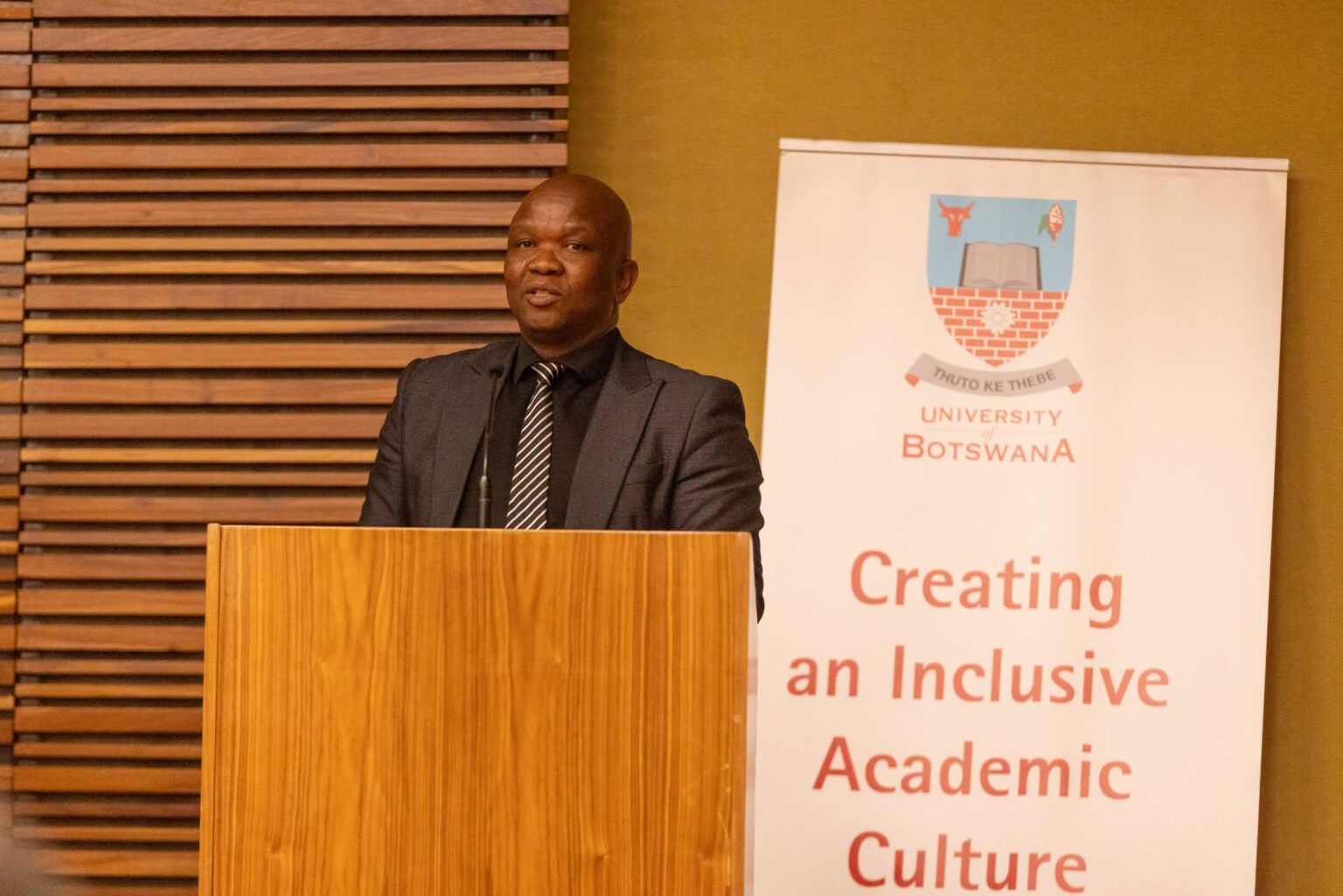
The University of Botswana demonstrated that higher education institutions have an important role to play in supporting peacebuilding efforts across Africa. Professor Thapelo Otlogetswe explained that universities contribute far more than academic research because they generate knowledge that informs policy, train future mediators and strengthen democratic governance. By producing evidence-based research, universities help policymakers better understand the root causes of conflict while developing practical recommendations for lasting solutions. Academic institutions also create spaces where difficult conversations can take place in a constructive and informed environment. These contributions ensure that peacebuilding efforts benefit from both practical experience and rigorous scholarly analysis.
Dr Kebapetse Lotshwao, representing the Department of Political Science at UB, outlined several ways the university actively supports regional peace initiatives. He highlighted research centers that examine governance and security issues, specialized short courses that build conflict resolution skills and policy briefs designed to guide decision-makers. The university also promotes academic exchanges with institutions across the Great Lakes region, encouraging collaboration between researchers who share a commitment to peace and development. Such partnerships allow scholars to exchange ideas, conduct joint research and identify solutions grounded in local realities rather than external assumptions. Participants agreed that education remains one of the most effective long-term investments in building peaceful and resilient societies.
Panel members devoted significant attention to the structural causes that continue to drive instability in eastern DRC. They argued that the conflict cannot be understood simply as a military or security problem because it is rooted in deeper political and economic challenges. Weak state institutions have left many communities without adequate public services or effective governance, creating opportunities for armed groups to establish influence. Competition over strategic minerals has also intensified tensions, with valuable natural resources becoming a source of both wealth and conflict. Poor governance, corruption and unequal access to economic opportunities further undermine public trust and contribute to cycles of violence that are difficult to break.
Another major theme of the discussions was the urgent need for inclusive peace processes that involve every segment of society. Former Ethiopian President Sahle-Work Zewde emphasized that humanitarian assistance cannot wait until political negotiations are completed because millions of vulnerable people require immediate support. She argued that local communities, women, youth organizations, religious leaders and civil society groups must all have meaningful roles in shaping peace initiatives. Regional organizations and neighboring governments should also work together to strengthen cooperation rather than pursuing competing interests. Participants agreed that excluding key stakeholders often weakens peace agreements and reduces public confidence in the implementation process.
The panel also challenged simplistic approaches that promise quick solutions to deeply rooted conflicts. Speakers argued that military responses alone cannot resolve problems driven by poverty, political exclusion, injustice and economic inequality. Sustainable peace depends on strengthening social cohesion, improving access to justice and creating opportunities for inclusive economic development. Governments must demonstrate genuine political commitment by implementing reforms that improve governance and restore public trust. Stronger regional cooperation was also identified as essential because instability in eastern DRC affects neighboring countries through refugee movements, cross-border insecurity and disruptions to trade and development.
The discussions held in Gaborone highlighted a growing consensus that peace in eastern DRC requires patience, cooperation and long-term commitment rather than short-term political victories. The African Union Panel of Facilitators presented a vision based on African leadership, accountability, inclusive dialogue and practical implementation of existing agreements. The University of Botswana reinforced the important contribution that academic institutions can make by generating research, educating future leaders and supporting evidence-based policymaking. Together, the contributions of political leaders, scholars and civil society representatives demonstrated that lasting peace is achievable when structural challenges are addressed alongside humanitarian needs. As the Great Lakes region continues its search for stability, the Gaborone meeting served as a reminder that sustainable peace will depend on unity, shared responsibility and the determination of Africans to shape their own future.