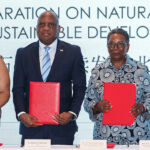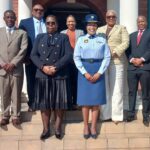
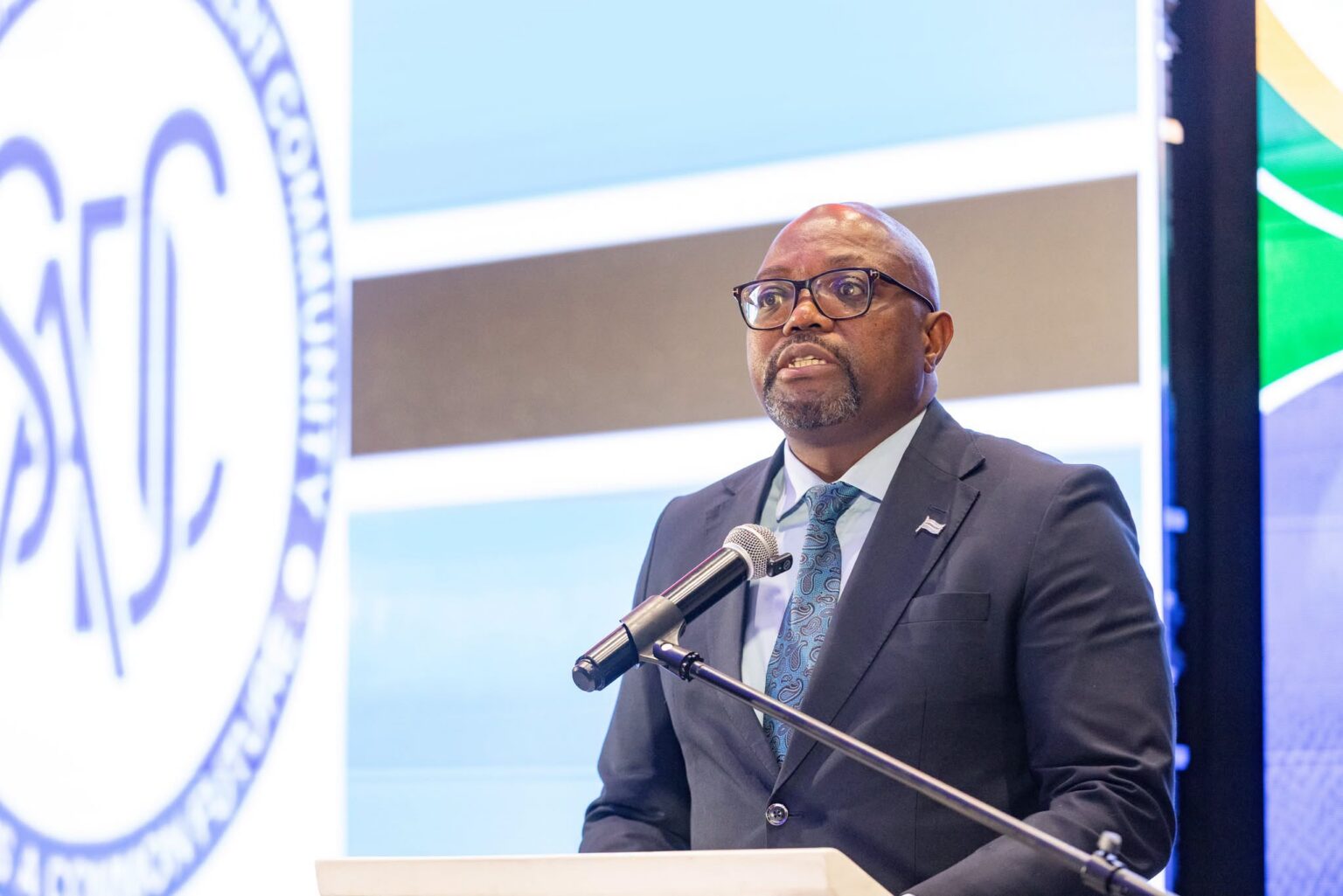
For more than 30 years, the conflict in the eastern Democratic Republic of the Congo (DRC) has remained one of Africa’s most devastating and enduring crises. Millions of people have lost their lives, countless families have been displaced and the instability has spread across the wider Great Lakes Region, creating serious humanitarian, political and security challenges. Despite numerous peace agreements and diplomatic interventions, violence continues to affect communities, disrupt development and threaten regional stability. Recognizing the urgency of the situation, African leaders gathered in Gaborone for the High Level Harmonisation Meeting of the African Union Panel of Facilitators and the Independent Joint Secretariat (IJS). The meeting aimed to strengthen coordination among regional institutions and reaffirm Africa’s commitment to leading efforts that can deliver lasting peace and stability in eastern DRC.
The gathering brought together senior representatives from the African Union, the Southern African Development Community (SADC), the East African Community (EAC) and other regional stakeholders with a shared objective of improving cooperation. The meeting focused on ensuring that various peace initiatives complement one another rather than operating independently. Delegates acknowledged that fragmented approaches have often slowed progress, making stronger coordination essential for achieving meaningful results. They emphasized that African institutions possess the knowledge, experience and legitimacy needed to address conflicts affecting the continent. By working together, participants believe they can create a more unified strategy capable of addressing both immediate security concerns and the long-term causes of instability.
Opening the meeting, Botswana’s Minister of International Relations, Dr. Phenyo Butale, reaffirmed his country’s unwavering support for an African Union-led peace process. He stressed that international initiatives such as the Washington Agreement and the Doha Process should not replace African leadership but instead reinforce ongoing mediation efforts led by African institutions. According to Dr. Butale, collaboration between international partners and African organizations can strengthen the peace process without undermining regional ownership. His remarks reflected Botswana’s long-standing commitment to diplomacy, peaceful dialogue and regional cooperation. He encouraged all participating institutions to remain focused on common objectives rather than pursuing separate or competing agendas.
Representing the African Union Mediator, H.E. Yackoley Kokou-Johnson reminded delegates that the meeting was taking place during an especially critical period for the Great Lakes Region. He warned that security tensions continue to rise while humanitarian conditions are becoming increasingly severe for civilians living in conflict-affected areas. Millions of people continue to require food assistance, medical care, shelter and protection as violence disrupts daily life across eastern DRC. Kokou-Johnson emphasized that the people of the region expect concrete progress rather than repeated promises. He called for stronger coordination among all institutions involved so that existing agreements can be implemented more effectively and produce visible improvements on the ground.
The Southern African Development Community also highlighted the urgency of strengthening regional cooperation. A message from SADC Executive Secretary Elias Magosi, delivered by Professor Kula Ishmael Theletsane, warned that the deteriorating security situation requires honest reflection on the effectiveness of Africa’s existing peace architecture. The statement also noted that the resurgence of Ebola presents an additional humanitarian challenge, further complicating efforts to stabilize affected communities. Delegates were encouraged to strengthen the Independent Joint Secretariat while improving collaboration with international partners supporting both the Washington Agreement and the Doha Process. SADC emphasized that coordinated action remains essential for preventing further deterioration and ensuring humanitarian assistance reaches those most in need.
The East African Community echoed similar concerns while calling for greater emphasis on practical implementation. Secretary General Veronica Nduva urged participating institutions to move beyond discussions and strategic documents toward interventions that deliver measurable improvements for communities affected by conflict. She stressed that concepts, policies and diplomatic frameworks only become meaningful when they produce real change on the ground. According to Nduva, successful peacebuilding requires actions that communities can see, experience and benefit from in their daily lives. Her remarks reinforced the importance of accountability, implementation and regular assessment of progress throughout the peace process.
A powerful message also came from Chairperson of the African Union Panel of Facilitators and former Nigerian President H.E. Olusegun Obasanjo. Addressing delegates, he urged participants to focus on developing practical recommendations that will accelerate the implementation of agreements already negotiated. Obasanjo cautioned against prolonged discussions that fail to produce action, warning that while leaders continue debating, innocent people continue losing their lives. His statement that “time will be going, people will be dying” served as a reminder of the human cost of delayed decision-making. He encouraged every participant to leave the meeting with concrete proposals capable of transforming commitments into meaningful progress.
The discussions in Gaborone also reflected a growing recognition that peace in eastern DRC cannot be achieved through military solutions alone. Participants acknowledged that the conflict is driven by multiple interconnected factors, including weak governance, competition over natural resources, armed group activity and humanitarian challenges. Addressing these issues requires coordinated political, economic and social interventions alongside security measures. Delegates agreed that stronger regional institutions, improved governance and sustained cooperation among neighboring countries are all essential components of a durable peace strategy. They also emphasized the importance of ensuring that affected communities remain central to every stage of the peacebuilding process.
The High Level Harmonisation Meeting in Gaborone demonstrated Africa’s determination to strengthen its leadership in resolving one of the continent’s longest-running conflicts. By bringing together the African Union, SADC, the East African Community and other regional partners, the meeting reinforced the belief that lasting peace depends on cooperation, accountability and effective implementation of existing agreements. Leaders repeatedly emphasized that African solutions remain the most sustainable path toward addressing African challenges, provided they are supported by practical action and genuine political commitment. The discussions also highlighted the urgent need to respond to both the humanitarian crisis and the underlying causes of instability that continue to fuel violence in eastern DRC. As delegates work to transform their commitments into measurable results, the Gaborone meeting stands as an important step toward building a more peaceful, stable and secure future for the Democratic Republic of the Congo and the entire Great Lakes Region.