GABORONE – A recent announcement from the U.S. Embassy in Botswana regarding visa vetting procedures has sparked a firestorm of debate, confusion, and outrage among Batswana on social media. The new directive, which instructs visa applicants to set their social media accounts to “public” or “open,” has many questioning the boundaries of privacy and the future of international travel.
The Directive: “Public” Profiles Mandatory
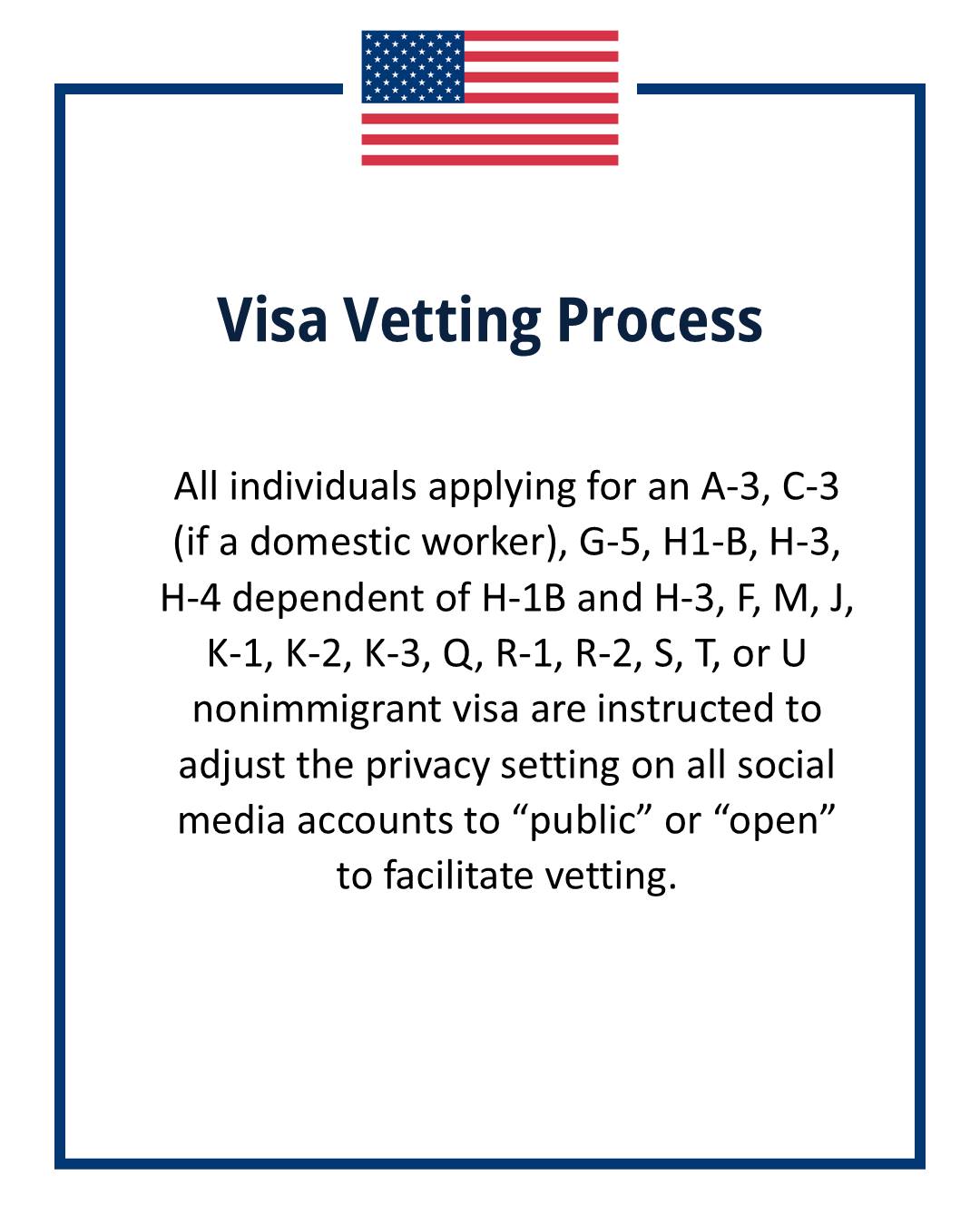
The controversy stems from a post by the U.S. Embassy Gaborone stating that individuals applying for a wide range of nonimmigrant visas—including student (F, M), exchange (J), work (H1-B), and fiancé (K) visas—must adjust their privacy settings. The embassy justified the move as a necessary step to “facilitate vetting necessary to establish their identity and admissibility.”
Public Backlash: Privacy vs. Security
The reaction from the local community was swift and largely critical. Commenters on the embassy’s Facebook page expressed concerns ranging from data privacy to the perceived “policing” of free speech.
- Privacy Concerns: User Amos highlighted a perceived double standard, commenting:
“Infringement on personal data is a crime in USA and not in other countries..wow”
- The “Social Media-Less” Dilemma: A recurring question among skeptics was how the policy affects those who don’t use social platforms. Gabriel asked:
“What happens when you do not have social media accounts? 🤔”
- Political Vetting: Some users suggested that the vetting is less about security and more about political alignment. Baboloki warned others:
“They check what you have been posting about the Potus man, and if have been calling a spade what it is!”
Sharp Wit and Global Perception
The tone of the comments shifted from genuine concern to sharp wit and political commentary. Reference to the current political climate in the U.S. was frequent, with user Sasman jokingly labeling the policy as a product of “Kim Jong Trump.”
Others, like MJ, took a more hardline stance, suggesting that the current atmosphere in the U.S. makes it a less desirable destination“U.S. Embassy Gaborone, Botswana you can keep your USA… People who wish to visit that part of the world should wait for better and accomodating USA not the current hatred setup we see there.”
A Warning to Applicants
Amidst the criticism, some voices urged caution. Sethunya, a local user, posted a lengthy warning advising Batswana to be mindful of their online behavior:
“If you have even the slightest interest in going to any Western country, please be careful what you say here… Border security is real. Every country wants to understand who they’re allowing in.”
Impact on Tourism and the World Cup
With the 2026 FIFA World Cup approaching, some users are already predicting a drop-off in visitors. Nico noted, “I see a lot of people not going to the world cup,” while Mia pointed to reports suggesting that U.S. international visitor spending had already seen a decline in 2025.
What This Means for You
If you are planning to apply for a U.S. visa in the categories mentioned (A-3, G-5, H1-B, F, M, J, K, etc.), the Embassy’s current stance is clear:
- Transparency is Key: You must disclose your social media handles.
- Public Access: Profiles should be set to “Public” during the vetting period.
- Vetting is Broad: Expect that past posts, comments, and online interactions will be reviewed as part of your background check.
As the digital world and border security continue to merge, Batswana are left to navigate a new reality where a “Like” or a “Share” could be the difference between a visa approval and a rejection.