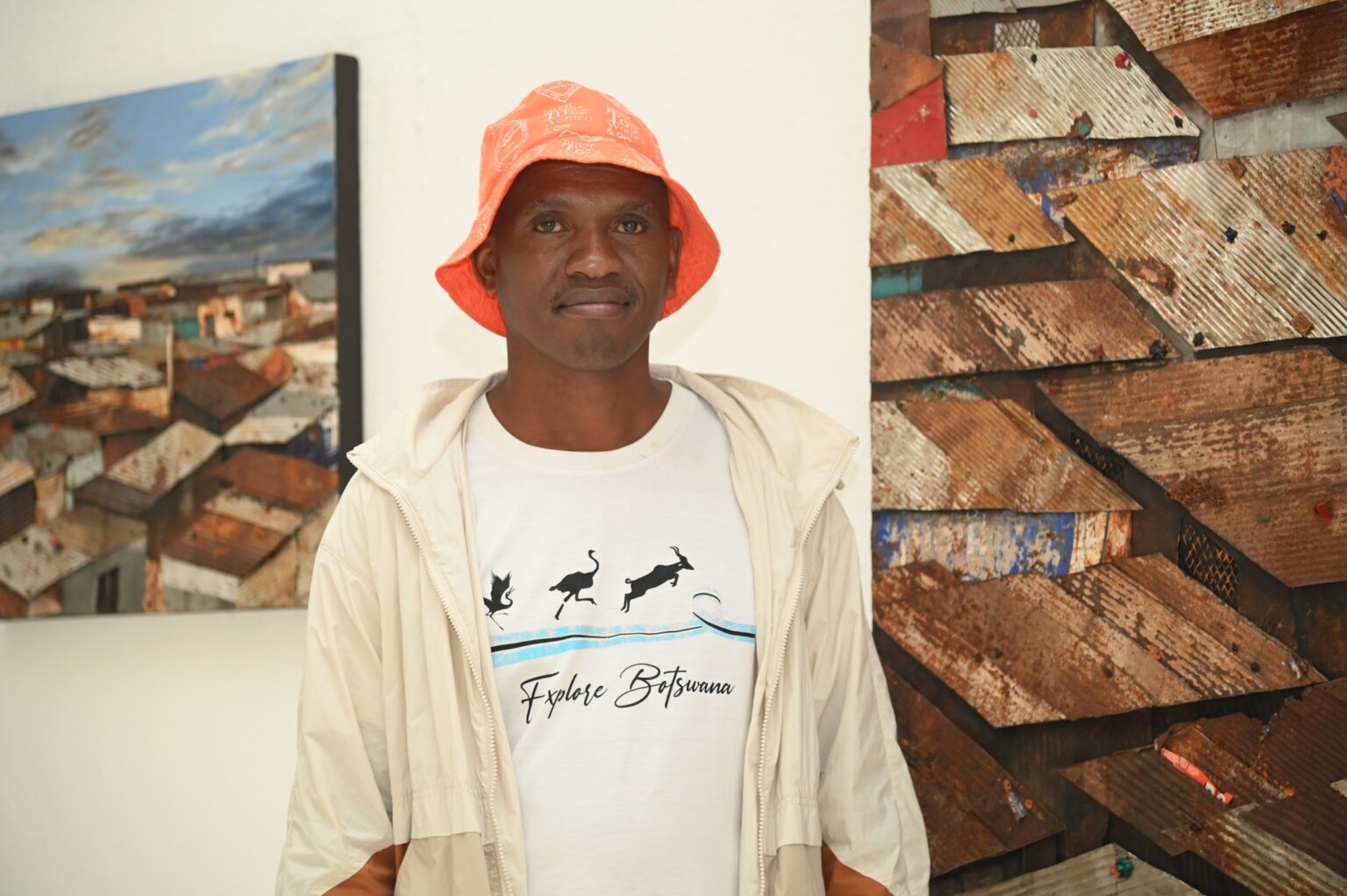
Contemporary artist Totang Motoloki is drawing growing attention in Botswana’s visual arts scene with his solo exhibition titled “Beyond the Scrap”, currently running at the Botswana National Museum. The exhibition, which opened on May 12, 2026 and is set to close on May 28, 2026, has become a focal point for conversations around sustainability, creativity, and environmental responsibility. Motoloki uses discarded materials and waste products to construct detailed artworks that challenge how audiences think about consumption and reuse. The showcase has steadily built momentum as more visitors engage with the concept of turning scrap into meaningful artistic expression. His work positions art not only as visual storytelling but also as a practical response to environmental challenges facing communities.
The exhibition has entered its final weeks and continues to attract steady visitor interest, with more than 1,000 people already attending since opening day. This level of engagement reflects a strong public curiosity about art that connects directly with environmental themes. Motoloki’s approach transforms everyday waste materials into structured visual narratives that highlight both struggle and resilience. The pieces on display encourage viewers to reconsider what is often dismissed as useless or unwanted. By reframing scrap materials as creative resources, the exhibition reinforces the idea that sustainability can be both practical and expressive. Visitors have responded positively to the originality of the concept and the emotional depth embedded in each artwork.
Motoloki has described the exhibition as an eye-opening experience for many art enthusiasts who are encountering his work for the first time. He noted that audiences are beginning to understand the value hidden within materials commonly discarded in homes, streets, and industrial spaces. According to him, the transformation of waste into art is not only about aesthetics but also about shifting mindset and behaviour. The artist explained that each piece is designed to spark reflection on how society consumes and disposes of materials. He believes that art can play a direct role in influencing environmental awareness when it is grounded in relatable everyday realities. His message continues to resonate with visitors who see both creativity and social commentary in his work.
Commercial response to “Beyond the Scrap” has also been encouraging, with Motoloki confirming that the exhibition has already recorded six sales. While these sales demonstrate growing market interest, the artist has emphasised that financial success is not his primary motivation. He values the conversations that have emerged between himself and visitors who engage deeply with the meaning behind his work. Several admirers have expressed interest in future commissions, while others have begun forming professional relationships with him as potential buyers. These interactions highlight the role of exhibitions in building long-term artistic networks and opportunities. For Motoloki, the real achievement lies in the connections formed through shared appreciation of art and its message.
The artist has also used the platform to encourage emerging creatives to remain committed to originality and persistence in their work. He stressed that talent alone does not guarantee success and that consistency, discipline, and vision are equally important. Motoloki explained that his artistic direction is influenced by the lives of ordinary people who strive to overcome difficult circumstances. This perspective is reflected in the textures and forms of his pieces, which often carry symbolic references to resilience and survival. He believes that artists should draw inspiration from lived experiences rather than external trends. His advice to young creatives is grounded in the idea that authenticity strengthens artistic identity and long-term relevance.
As the exhibition approaches its closing date on May 28, 2026, interest continues to grow among art lovers, collectors, and cultural observers. “Beyond the Scrap” stands as a significant contribution to Botswana’s contemporary art landscape, particularly in its integration of environmental awareness with visual storytelling. The exhibition demonstrates how recycled materials can be elevated into powerful artistic statements that carry social meaning. Motoloki’s work has helped broaden public understanding of sustainable art practices while encouraging reflection on waste and responsibility. The final days of the showcase are expected to attract continued attention as visitors seek to experience the exhibition before it concludes.