The Ministry for International Relations has taken a major step toward shaping Botswana’s global engagement by convening the Foreign Policy Pitso Stakeholder Meeting on Tuesday in Gaborone. The meeting was held under the theme “Building Consensus on Botswana’s Foreign Policy” and brought together a wide range of stakeholders including government officials, Members of Parliament, traditional leaders, civil society groups, academia, the private sector, youth representatives, development partners, and members of the public. The objective of the gathering was to ensure that Botswana’s foreign policy reflects a broad national consensus rather than a narrow institutional view. The discussions formed part of a long-term effort to modernise and formalise Botswana’s approach to international relations. The meeting also highlighted the importance of inclusive participation in shaping decisions that affect the country’s global position.
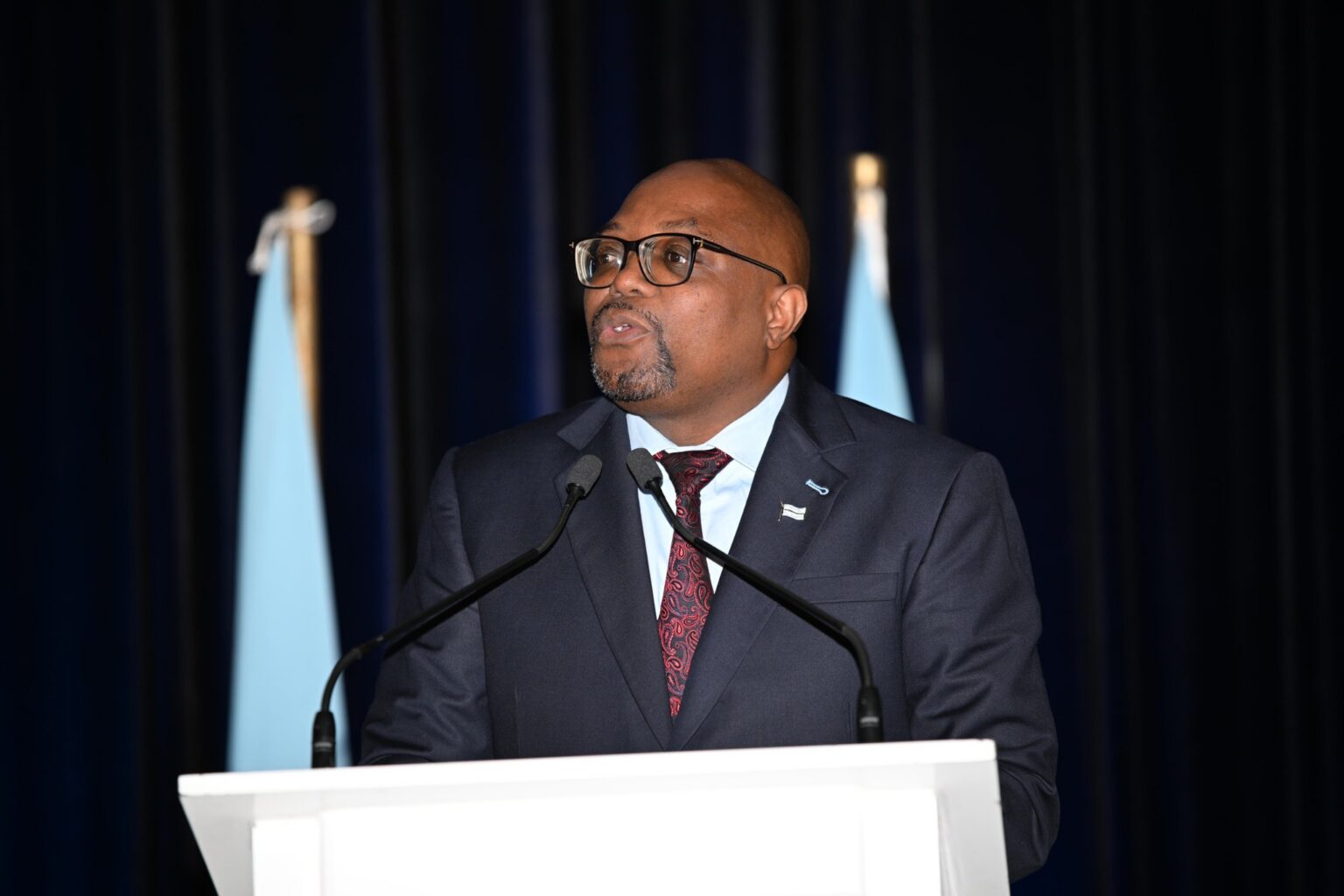
Opening the engagement, Minister for International Relations Phenyo Butale stressed that foreign policy is a direct reflection of Botswana’s national identity, values, and long-term aspirations. He explained that Botswana’s international relations have historically been guided by principles such as democracy, development, self-reliance, national unity, Botho, peaceful coexistence, and peaceful conflict resolution. He noted that these values have helped position Botswana as a stable and respected member of the international community. The Minister also pointed out that the global environment is changing rapidly, requiring a more structured and responsive foreign policy framework. His remarks underscored the need for Botswana to remain adaptable while staying true to its core principles.
Dr Butale highlighted several global challenges that are shaping the need for a comprehensive foreign policy, including geopolitical shifts, climate change, technological advancement, cyber-security threats, migration pressures, public health risks, and economic uncertainty. He explained that these complex issues require coordinated strategies that protect national interests while strengthening international cooperation. He stated that the Government has recognised the importance of developing a written foreign policy document that provides clear guidance on how Botswana engages with the rest of the world. According to him, such a framework will help ensure consistency, clarity, and long-term strategic direction in foreign affairs. He further emphasised that this policy will support Botswana’s efforts to navigate an increasingly interconnected global system.
The Minister also reaffirmed Government’s commitment to a human rights-centred foreign policy that reflects Botswana’s identity as a democratic and peace-loving nation. He stated that Botswana will continue to promote the dignity and welfare of all people while strengthening its reputation as a responsible international partner. He highlighted the importance of multilateral cooperation and strategic partnerships in advancing national interests. He also noted that economic diplomacy will play a central role in attracting foreign direct investment, expanding trade, and creating employment opportunities. These efforts, he said, align closely with national development frameworks including Vision 2036, NDP 12, and the Botswana Economic Transformation Programme.
Providing further details on the Draft Foreign Policy, Permanent Secretary Thuso Ramodimoosi explained that the document is the result of an extensive consultative process that has taken place over more than a decade. He noted that inputs were gathered from across society, ensuring that the policy reflects a wide range of perspectives and national priorities. He stated that the draft policy aims to protect Botswana’s sovereignty and security while also promoting democracy, good governance, peace, sustainable development, and regional integration. His remarks highlighted the importance of building a policy that is both protective and forward-looking. He also stressed that the consultation process itself demonstrates Government’s commitment to inclusive governance.
Ambassador Ramodimoosi further explained that the Draft Foreign Policy places strong emphasis on economic diplomacy as a key pillar for national growth. He noted that the policy also prioritises youth empowerment, environmental sustainability, climate action, food and energy security, education, and innovation. These priorities are designed to strengthen Botswana’s global competitiveness while addressing domestic development needs. He added that the policy seeks to reinforce Botswana’s reputation as a principled and reliable partner in international affairs. The approach reflects a balance between domestic transformation goals and international engagement strategies.
Both the Minister and Permanent Secretary emphasised that Botswana’s foreign policy must remain people-centred, inclusive, and aligned with national aspirations. They encouraged stakeholders to contribute openly and constructively to ensure that the final policy reflects a shared national vision. The consultation process was presented as an opportunity to strengthen ownership of Botswana’s foreign policy across all sectors of society. Participants were urged to help shape a framework that supports development, prosperity, and a stronger international presence for the country. The meeting in Gaborone marked an important milestone in Botswana’s effort to build a more structured and participatory foreign policy direction.