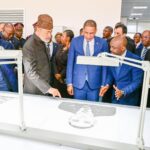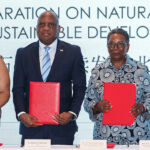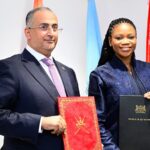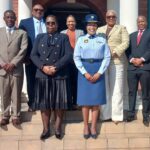

The Government of Botswana continues to position education as a key driver of national and regional development through strategic international partnerships. In a significant diplomatic engagement, Honourable Nono Kgafela-Mokoka, Minister of Child Welfare and Basic Education, welcomed Jarso Maley Jallah, Minister of Education from the Republic of Liberia. This high-level meeting focused on strengthening cooperation between the two countries, with education placed at the center of shared priorities. The engagement reflects a broader commitment to collaboration among African nations in addressing common development challenges. It also signals a renewed effort to leverage education systems for economic growth and social progress.
A central outcome of the meeting was the decision to revive and expand a bilateral scholarship and cooperation agreement that was first established in 2013. This agreement aims to create more opportunities for students and educators in both countries to benefit from shared resources and expertise. The renewed focus includes strengthening foundational learning, which is critical for improving literacy and numeracy outcomes at early stages of education. Both ministers emphasized the importance of equipping learners with strong academic foundations to support lifelong learning. This approach ensures that education systems can produce individuals who are prepared to contribute meaningfully to their economies.
Digital skills and computer science were also identified as priority areas within the cooperation framework. As economies become more technology-driven, the demand for digital literacy continues to grow across all sectors. Botswana and Liberia are aligning their education strategies to ensure that learners are equipped with relevant skills for the modern workforce. This includes integrating technology into classrooms and expanding access to digital learning tools. By focusing on these areas, both countries are preparing their youth for participation in a competitive global economy.
The discussions further explored a government-to-government arrangement that would allow Botswana to export its surplus of well-trained teachers to Liberia. Botswana officials highlighted the strength of their education system and the high qualifications of their teaching workforce. This initiative aims to address teacher shortages in Liberia while creating employment opportunities for Botswana educators. It also reflects a practical approach to resource sharing within the continent. Exporting skilled labour in this way aligns with national strategies aimed at maximizing human capital.
This proposed arrangement is closely linked to the Botswana Economic Transformation Programme, which seeks to diversify the economy and create new avenues for growth. By exporting skilled professionals, Botswana can generate economic value while supporting development in partner countries. This strategy demonstrates how education can serve as both a social service and an economic asset. It also highlights the importance of aligning education policies with broader economic objectives. Such integration ensures that investments in education yield tangible national benefits.
Both parties agreed to establish a technical working team tasked with finalizing the terms of reference for the partnership. This team will play a critical role in translating policy discussions into actionable plans. It will focus on implementation frameworks, monitoring mechanisms, and timelines to ensure that the agreement delivers measurable outcomes. The formation of this team reflects a commitment to structured collaboration and accountability. It also ensures that both countries remain aligned throughout the implementation process.
The meeting underscored the importance of African nations working together to utilize their own human resources for mutual benefit. By strengthening cooperation in education, Botswana and Liberia are setting an example of how regional partnerships can drive sustainable development. The emphasis on unity, shared expertise, and practical solutions highlights a forward-looking approach to continental growth. As this partnership takes shape, it has the potential to improve education systems, create employment opportunities, and strengthen ties between the two nations. This collaboration reinforces the idea that Africa’s progress can be accelerated through collective effort and strategic partnerships.