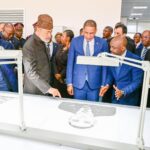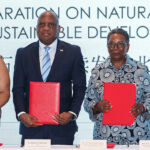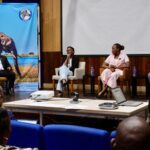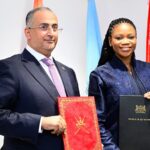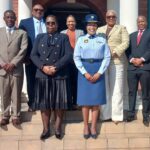

Yesterday marked the successful conclusion of a three-day workshop focused on promoting social inclusion through the creative economy in Botswana and Namibia. The event brought together government officials, development partners, artists, creative entrepreneurs, policymakers, and industry stakeholders with a shared goal of strengthening the creative sector across the two countries. More than a platform for discussion, the workshop served as a call to action, emphasizing the need for practical solutions that can transform the creative economy into a stronger driver of economic growth and social development. Participants explored the opportunities and challenges facing creative industries while identifying key reforms needed to create a more inclusive and sustainable ecosystem. As the workshop came to a close, there was a strong sense of commitment to turning ideas into concrete actions that will benefit creatives and communities across the region.
The creative economy has increasingly emerged as a strategic sector capable of contributing significantly to economic diversification, employment creation, and social inclusion. In many countries, creative industries such as music, film, visual arts, fashion, digital content, and performing arts have become important sources of income and innovation. Botswana and Namibia recognize the potential of these industries to create opportunities for young people, women, and marginalized groups while preserving cultural heritage and fostering national identity. During the workshop, participants examined how creative industries can become engines of inclusive growth when supported by effective policies, adequate financing, and strong institutional frameworks. Discussions highlighted the need to move beyond viewing the creative sector solely as a cultural activity and instead recognize it as a viable economic contributor capable of generating long-term development outcomes.
One of the most important outcomes of the workshop was the identification of four critical structural gaps that require immediate policy reform. These gaps were identified as major barriers to the growth and sustainability of the creative economy in both countries. Stakeholders agreed that addressing these issues would help create a more professional, equitable, and resilient creative industry. The reforms focus on child artist protection, business and brand licensing, fair compensation, and innovative financing mechanisms. Each area represents a significant opportunity to strengthen the foundation upon which creative industries can continue to grow and contribute to national development goals.
The first key area of reform centered on child artist protection. Participants emphasized the importance of implementing a comprehensive work permit framework for minors involved in creative industries. Such a framework would include requirements for on-set tutors, mandated trust funds for earnings, and safeguards to ensure children receive appropriate educational support while working. Discussions also highlighted the need for clear regulations governing working hours, supervision standards, and suitable working conditions for young performers. Protecting child artists was viewed as essential not only for safeguarding their rights and well-being but also for ensuring ethical standards across the industry. Stakeholders agreed that robust protection measures would help create a safer environment where young talent can develop without compromising their education, health, or future opportunities.
The workshop also addressed the need for improved business and brand licensing systems within the creative sector. Participants proposed the establishment of a creative passport system that would provide standardized accreditation for creative professionals. This initiative could help artists and creative entrepreneurs gain easier access to tenders, contracts, and professional opportunities while also facilitating access to social protections such as medical benefits and pension schemes. A standardized accreditation system would contribute to greater professionalism within the industry and make it easier for governments and institutions to recognize and support creative workers. Stakeholders noted that many creatives currently operate informally, limiting their access to economic opportunities and essential social protections. The proposed creative passport was therefore viewed as a practical step toward formalizing and strengthening the sector.
Fair compensation emerged as another major priority during the workshop. Participants discussed the need to amend existing minimum wage structures to better reflect the realities of various creative professions. Many artists and creative workers face inconsistent income streams and often struggle to receive fair payment for their work. Stakeholders argued that current wage frameworks do not adequately account for the specialized skills, expertise, and value generated by creative professionals. By developing compensation models that reflect the unique nature of creative work, governments can help improve livelihoods and encourage greater participation in the sector. Fair compensation was also linked to broader goals of decent work, social protection, and economic inclusion, making it a critical component of future policy reforms.
Innovative financing was identified as the fourth key area requiring attention. Participants agreed that reliance on grant-only funding models is no longer sufficient to meet the needs of a growing creative economy. Instead, discussions focused on hybrid financing approaches that combine grants, loans, investment opportunities, and financial guarantees. Particular attention was given to Credit Guarantee Schemes designed to support creative small and medium-sized enterprises. Enterprise readiness certification was also highlighted as a valuable tool for helping creative businesses become more attractive to investors and financial institutions. By expanding access to finance, stakeholders believe creative entrepreneurs will be better positioned to scale their operations, create jobs, and contribute more effectively to economic growth.
In his closing remarks, Mr. Tebogo Matebesi, Deputy Permanent Secretary for Arts in Botswana’s Ministry of Sport and Arts, reinforced the importance of creating practical pathways for growth within the creative sector. He stressed that creatives require greater access to finance, markets, and infrastructure if they are to achieve their full potential. His remarks reflected the broader consensus that policy discussions must translate into actionable roadmaps focused on decent work, sustainable livelihoods, and inclusive economic growth. Participants welcomed this focus on implementation, recognizing that meaningful change will require coordinated efforts among governments, development partners, private sector actors, and creative communities.
Representing Namibia, Ms. Isabel Katjavivi highlighted the importance of strengthening research, data mapping, and regional collaboration. She emphasized that better data is essential for understanding the true economic contribution of creative industries and for designing policies that effectively respond to industry needs. She also advocated for increased collaboration between Botswana and Namibia through initiatives such as joint artist residencies, knowledge-sharing programs, and digital modernization efforts. Regional cooperation was widely viewed as an important strategy for expanding opportunities for creatives while strengthening cultural and economic ties between neighboring countries. Participants agreed that collaboration can help unlock new markets, foster innovation, and enhance the overall competitiveness of the region’s creative industries.
Mr. Matthieu Cognac from the United Nations Department of Economic and Social Affairs reinforced the importance of collective representation within the creative sector. He encouraged artists and creative professionals to organize through trade unions and professional associations that can advocate for their interests more effectively. Strong collective representation can help address issues such as fair compensation, labor rights, and access to social protections. Mr. Cognac also stressed the importance of moving from policy discussions to practical strategies and implementation plans. His message underscored the need for sustained commitment and coordinated action if the creative economy is to achieve its full potential as a driver of inclusive development.
The conclusion of the workshop represents an important milestone in the ongoing effort to build stronger creative economies in Botswana and Namibia. The discussions and commitments made over the three days have laid the groundwork for meaningful reforms that can support artists, entrepreneurs, and creative workers across both countries. By addressing structural challenges related to child protection, licensing, compensation, and financing, stakeholders are taking significant steps toward creating a more inclusive and sustainable creative sector. The workshop also highlighted the value of regional collaboration, evidence-based policymaking, and collective action in driving long-term success. With continued support from partners including the International Labour Organization, the United Nations Department of Economic and Social Affairs, UNICEF, UNESCO, and the Governments of Botswana and Namibia, the vision of innovative, sustainable, and people-centered creative economies is becoming increasingly achievable.