Botswana has marked the 50th anniversary of its national currency, the Pula, celebrating five decades of monetary independence and economic development at a golden jubilee event in Kanye. The milestone was commemorated under the theme “Pula le Thebe: Shielding Wealth, Nurturing Inclusive Growth,” reflecting the importance of protecting the value of the currency while ensuring that economic progress benefits people across the country. The celebration provided an opportunity for national leaders, traditional authorities and financial sector representatives to reflect on the history of the Pula and consider the economic challenges facing Botswana in the years ahead. Since its introduction in 1976, the Pula has become an important symbol of Botswana’s sovereignty and its ability to manage its own monetary affairs. The 50th anniversary therefore represents both a celebration of the country’s economic journey and a reminder that maintaining monetary stability requires strong foundations across the wider economy.
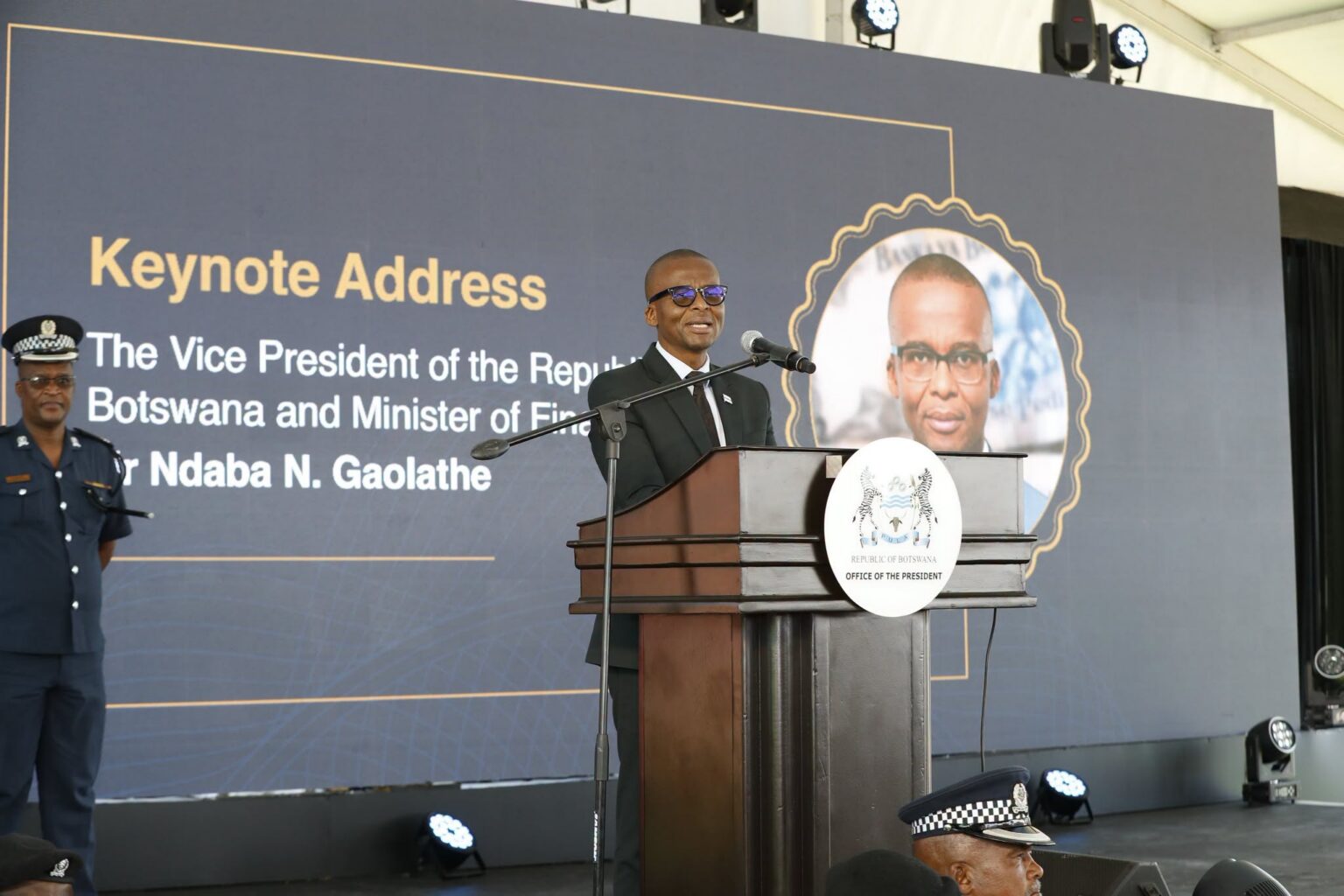
The Pula was introduced on 23 August 1976, ten years after Botswana gained independence, as the country withdrew from the Rand Monetary Area and established its own central bank. The decision gave Botswana greater control over its monetary policy and allowed the country to develop a currency that reflected its own national identity and economic priorities. Speaking at the anniversary ceremony, Vice President and Finance Minister Ndaba Gaolathe described the introduction of the Pula as an act of confidence in Botswana’s ability to govern itself, manage its resources and determine its economic destiny. At the time, creating a national currency represented an important step in consolidating the country’s independence and strengthening its institutional foundations. Five decades later, the Pula remains one of the most visible symbols of Botswana’s national sovereignty and economic identity.
The golden jubilee celebration in Kanye brought together dignitaries from different parts of Botswana, including traditional leaders and senior representatives from the banking sector. Their presence reflected the national significance of the Pula and the role that monetary stability has played in Botswana’s development. The anniversary also created an opportunity to look beyond the historical achievement of establishing a national currency and consider what is required to protect its value in the future. Gaolathe stressed that monetary policy alone cannot permanently shield the Pula from economic pressures. He argued that Botswana must strengthen the productive sectors and economic activities that provide the underlying support for the currency.
Economic diversification was therefore a central message during the anniversary celebrations, particularly as Botswana continues to face the challenge of reducing its reliance on a limited number of economic sectors. Gaolathe pointed to productive farms, competitive industries and export-oriented enterprises as important components of a stronger economic foundation. A diversified economy can help reduce vulnerability when conditions in a major sector change or when international demand and commodity prices fluctuate. Expanding agriculture, manufacturing, services, technology and other productive industries could create new sources of income and employment while supporting broader economic resilience. The Vice President’s comments underline the point that the long-term strength of the Pula depends not only on the decisions made by monetary authorities but also on the ability of the wider economy to produce, compete and generate sustainable growth.
The call for stronger productive sectors also places emphasis on the role of businesses and entrepreneurs in Botswana’s economic future. Competitive local industries can create jobs, increase domestic production and potentially expand the country’s export base. Export-oriented enterprises can also bring foreign income into the economy and help Botswana participate more actively in regional and international markets. Productive agriculture has a similar role to play by improving food production, supporting rural livelihoods and reducing dependence on imported goods where local production can be expanded competitively. Strengthening these areas would provide a broader economic base and help ensure that future growth does not depend too heavily on one source of national revenue.
Bank of Botswana Governor Lesego Moseki also highlighted the importance of collective responsibility in maintaining the credibility of the Pula. He noted that while the country gave itself a currency and national identity when the Pula was introduced, Batswana have given the currency meaning through their use of it over the past five decades. His remarks recognise that confidence in a national currency extends beyond central bank policies and financial institutions. Businesses, households, investors, workers and Government all play a role in maintaining economic confidence through responsible financial decisions and productive economic activity. The credibility of the Pula therefore depends on the combined strength of Botswana’s institutions, economy and people.
Moseki also called for inclusive growth that reaches communities across the country, making the anniversary about more than monetary history. Economic growth can have a stronger and more lasting impact when people in different regions and communities have access to employment, business opportunities, education and financial services. Inclusive growth can also strengthen public confidence in economic institutions by ensuring that the benefits of national development are not concentrated in only a few areas or sectors. The challenge for Botswana is to translate macroeconomic stability into opportunities that improve household livelihoods and expand participation in the economy. This requires continued attention to job creation, enterprise development, skills, infrastructure and access to finance alongside sound monetary and fiscal management.
The theme “Pula le Thebe: Shielding Wealth, Nurturing Inclusive Growth” captures the balance Botswana now faces as it enters the next 50 years of its national currency. Protecting wealth requires policies that preserve monetary stability and strengthen confidence in the financial system. Nurturing inclusive growth requires investment in productive sectors and opportunities that allow more citizens to participate in economic activity. These objectives are closely connected because a stable currency provides an important foundation for households and businesses, while a productive and diversified economy provides stronger support for long-term monetary stability. Botswana’s future economic strategy will therefore need to address both the protection of existing economic gains and the creation of new sources of sustainable growth.
The 50th anniversary of the Pula also offers an opportunity to reflect on how far Botswana has travelled since the currency was introduced in 1976. The establishment of a national currency was part of a broader process of building independent institutions and strengthening the country’s capacity to manage its economic affairs. Over the decades, the Pula has become familiar to generations of Batswana and has developed a meaning that extends beyond its function as a medium of exchange. It represents a period of national development, economic management and institutional growth. Its golden jubilee provides a moment to recognise that history while also acknowledging the responsibility required to protect and strengthen the economic foundations that support it.
Gaolathe ended the ceremony with a message focused on the people who ultimately give meaning to the currency and the economy it represents. He called for the Pula to continue representing the prosperity Botswana seeks and for the Thebe to represent the discipline with which that prosperity is protected. He emphasised that the true measure of the strength of both should be found in the lives and opportunities of the people they exist to serve. This places citizens at the centre of Botswana’s economic ambitions and reinforces the need for growth that creates practical benefits for communities. As the Pula begins its next 50 years, its future strength will depend on continued monetary credibility, economic diversification, responsible management and a sustained commitment to creating opportunities for Batswana across the country.