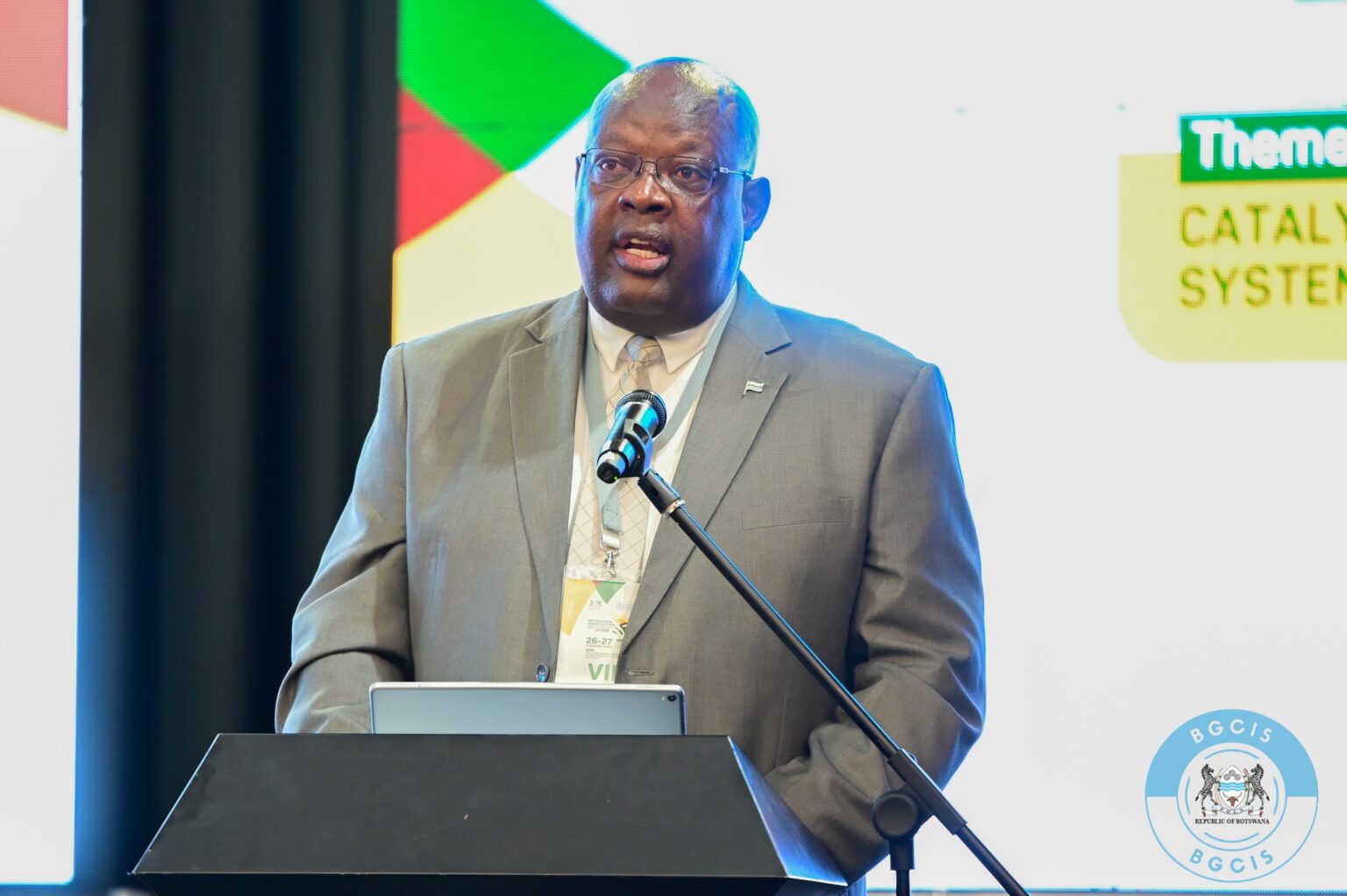
Botswana is repositioning agriculture as a strategic driver of economic diversification, seeking to reduce long-term dependence on diamonds and stimulate sustainable growth. Speaking at the Agri-Business and Investment Forum, Vice President Ndaba Nkosinathi Gaolathe highlighted the need to expand agricultural production to lower the national import bill and increase export earnings through value-added products. Priority areas identified include meat processing, crop production, and nutraceuticals, each selected for their potential to generate competitive, export-ready goods. This strategy signals a deliberate shift toward leveraging natural resources and human capital to create resilient economic pathways. By emphasizing agriculture, Botswana aims to build a diversified economy that can withstand global market fluctuations.
The initiative forms part of the broader Botswana Economic Transformation Programme, which positions agriculture among the country’s priority growth sectors. According to Gaolathe, the sector is expected to support industrialization, drive rural economic activity, and create employment opportunities for youth, women, and persons with disabilities. Expanding agricultural output is envisioned not only as a tool for economic diversification but also as a mechanism for inclusive development. By linking production to industrial processing and export markets, the programme aims to convert raw outputs into higher-value goods. This approach reinforces the government’s commitment to sustainable development while fostering socio-economic equity.
The government has set a clear target to increase agriculture’s contribution to gross domestic product from 2 percent to 6 percent, reflecting the sector’s strategic importance. Achieving this goal requires investments in technology, infrastructure, and skills development to improve productivity and quality standards. However, structural challenges remain, including limited compliance with international export standards, which constrains access to key markets. Keletsositse Olebile, Chief Executive Officer of the Botswana Investment and Trade Centre, emphasized the need for enhanced technical support, certification capacity, and adherence to production standards to enable local producers to compete globally. Addressing these gaps is crucial for ensuring that increased production translates into tangible economic benefits.
The forum highlighted the importance of partnerships and targeted interventions to strengthen Botswana’s agricultural sector. Policymakers stressed that effective support mechanisms must combine technical training, access to finance, and market linkages for producers. By fostering collaboration between government agencies, private investors, and development partners, the country aims to unlock the full potential of its agricultural value chains. Initiatives that promote innovation, sustainable farming practices, and export-oriented production are central to the transformation agenda. This strategic approach seeks to position agriculture not only as a contributor to GDP but also as a platform for economic modernization and global competitiveness.
Botswana’s renewed focus on agriculture reflects a long-term vision to diversify the economy while supporting inclusive growth and industrialization. By prioritizing value-added production, enhancing export readiness, and addressing structural constraints, the country aims to expand its global market footprint. Agriculture is increasingly recognized as a catalyst for rural development, employment creation, and socio-economic empowerment. The ongoing policy focus, combined with investment in infrastructure and capacity building, signals that Botswana is committed to transforming its agricultural sector into a sustainable engine of growth. As the nation reduces reliance on diamonds, agriculture is set to become a central pillar of Botswana’s economic future.