The Foreign Policy Pitso Stakeholder Meeting, held under the theme “Building Consensus on Botswana’s Foreign Policy”, concluded in Gaborone with a clear push for a more agile, strategic and economically focused foreign policy framework. The two day engagement brought together stakeholders from government, diplomacy, and policy institutions to reflect on Botswana’s international relations priorities and future direction. The discussions centred on how the country can strengthen its global positioning while delivering measurable benefits for citizens. Participants stressed the need to align foreign policy with national development goals and economic transformation. The meeting ended with a shared recognition that Botswana must adapt its diplomatic approach to meet changing global realities.
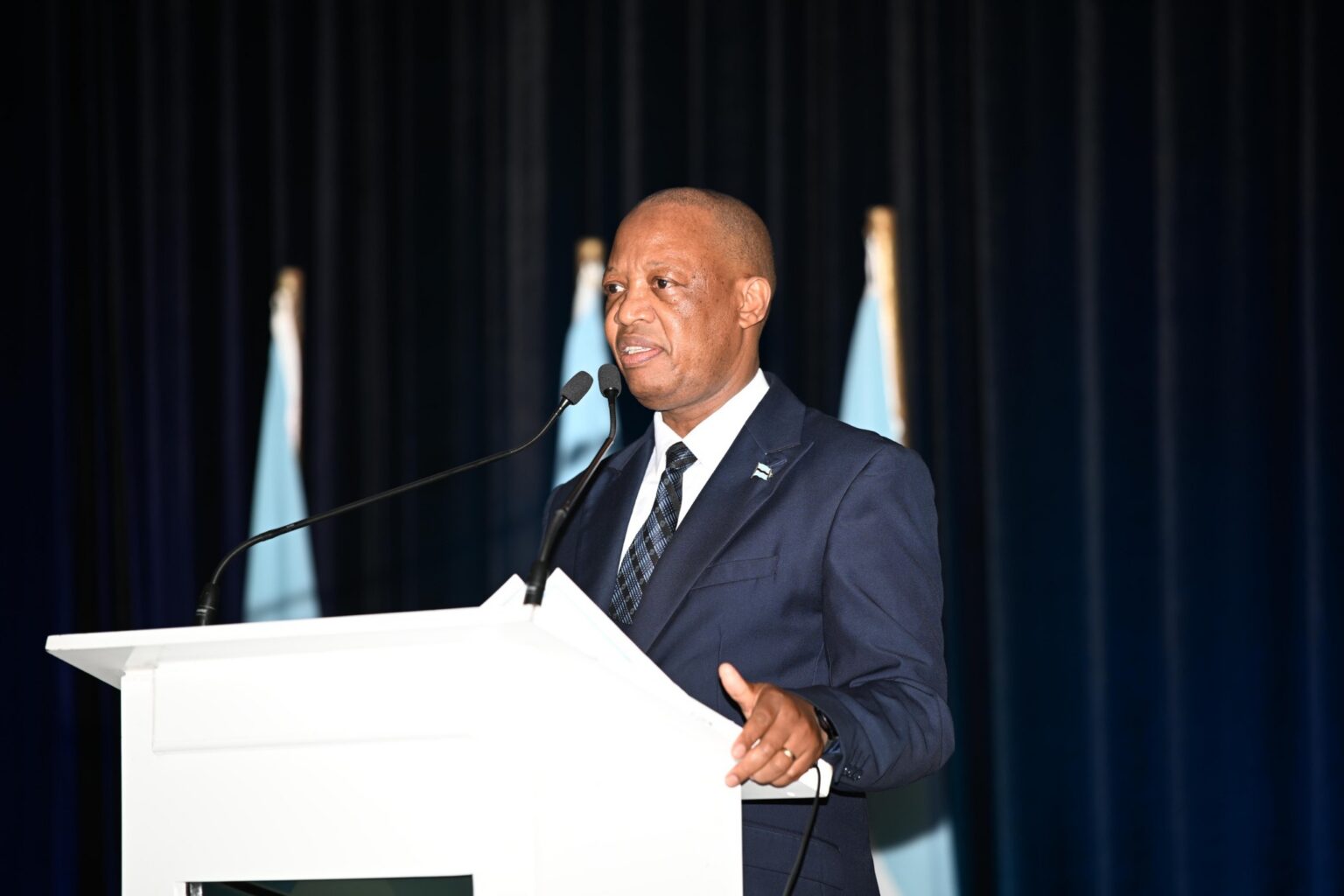
Delivering the closing remarks, Permanent Secretary in the Ministry for International Relations Ambassador Thuso Ramodimoosi thanked all stakeholders for their active participation and constructive engagement throughout the sessions. He noted that the level of openness and collaboration demonstrated during the Pitso reflected a strong national commitment to shaping a unified foreign policy vision. He said the discussions consistently highlighted the importance of consultation and collective responsibility in designing policies that serve the public interest. According to him, Botswana’s foreign policy must remain grounded in national principles while also evolving to respond to economic and geopolitical shifts. He emphasised that unity among stakeholders is essential for translating policy discussions into practical outcomes.
Ambassador Ramodimoosi placed strong emphasis on the need for a shift towards economic diplomacy as a central pillar of Botswana’s foreign policy. He explained that the country must actively use its diplomatic networks to attract foreign direct investment, support trade expansion, and create employment opportunities. He pointed out that Botswana’s long term economic resilience depends on reducing reliance on mineral exports and building a more diversified economy. He also noted that diplomatic missions should increasingly function as economic enablers rather than purely political representatives. This approach, he said, would ensure that international engagement directly contributes to national development priorities.
The discussions further highlighted the importance of integrating key national and continental initiatives into Botswana’s foreign policy framework. Stakeholders pointed to the Botswana Economic Transformation Programme as a critical tool for driving structural change and improving competitiveness. They also emphasised the opportunities presented by the African Continental Free Trade Area in expanding market access for local industries. Participants noted that strategic international partnerships will play a major role in positioning Botswana as a competitive player in global trade and investment flows. These frameworks were described as essential levers for accelerating economic growth and strengthening regional integration.
The Ministry confirmed that all views and proposals gathered during the Pitso will feed into the ongoing review of Botswana’s foreign policy framework. Officials indicated that a draft policy document is expected to be developed and submitted through the required approval processes before the end of the current financial year. This timeline reflects the urgency placed on modernising the country’s diplomatic strategy to match evolving global conditions. The outcome of the Pitso is expected to shape a more responsive and economically driven foreign policy that aligns with national development ambitions. The meeting closed with a clear direction towards building a foreign policy that strengthens Botswana’s global presence while delivering tangible benefits for its people.