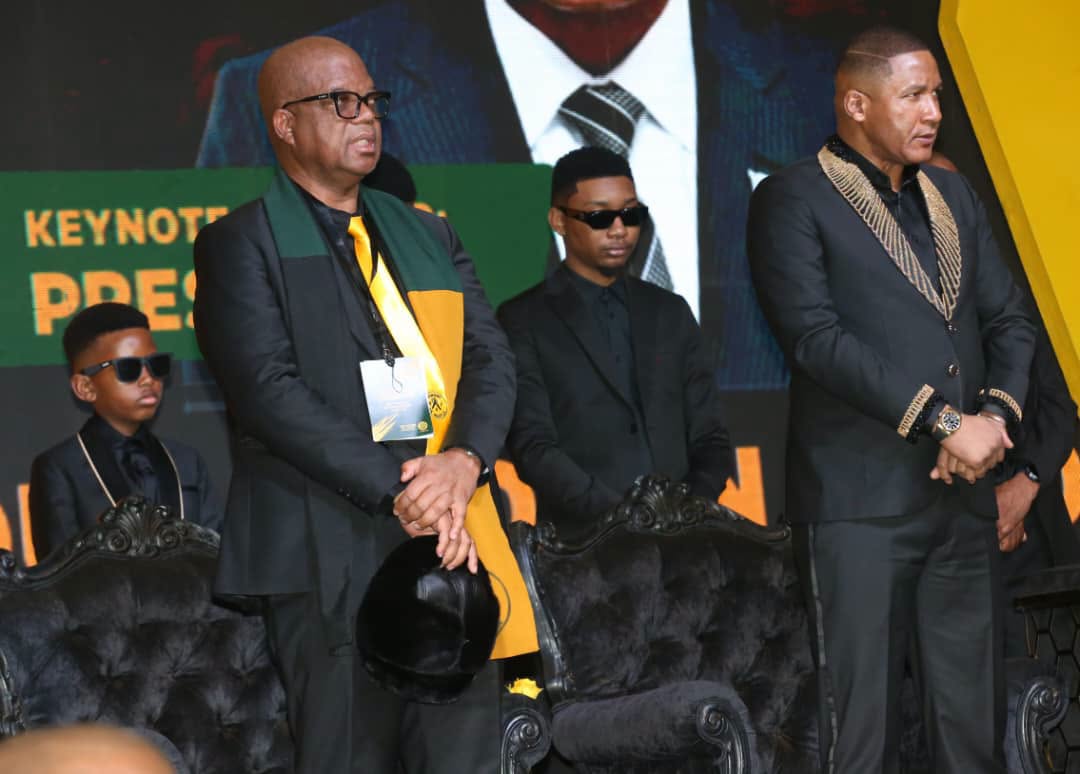
Botswana President Advocate Duma Boko has reaffirmed his government’s commitment to transforming the country’s economy from one largely driven by the public sector to one led by private enterprise. His remarks come at a time when Botswana continues to face declining revenue pressures caused mainly by challenging conditions in the global diamond market. Speaking at the Botswana National Front (BNF) 61st National Conference in Jwaneng on 19 July, President Boko said economic diversification away from heavy dependence on diamonds was becoming increasingly urgent. He emphasized that the government was implementing measures aimed at strengthening national finances, improving revenue collection and creating a foundation for sustainable economic growth. The President’s message highlighted the need for Botswana to build a more resilient economy that can withstand global market fluctuations while creating more opportunities for businesses and citizens.
For decades, diamonds have been the backbone of Botswana’s economy, contributing significantly to government revenue, foreign exchange earnings and national development programmes. However, recent challenges in the global diamond market have affected revenue streams and highlighted the risks of relying heavily on a single resource. President Boko acknowledged these pressures while stressing that Botswana has reached a critical point where economic transformation can no longer be delayed. Moving toward a private sector-led economy requires creating an environment where businesses can grow, investors can participate and new industries can emerge. The government’s focus on diversification reflects a broader effort to reduce vulnerability and ensure long-term economic stability.
President Boko told delegates at the BNF conference that the Umbrella for Democratic Change-led government had already taken steps to strengthen national savings since assuming office. He revealed that national savings had improved from P300 million in 2024 to P6.1 billion currently, demonstrating efforts to rebuild financial reserves despite difficult economic conditions. Strong national savings provide governments with greater flexibility to respond to economic challenges and invest in development priorities. The President said these improvements form part of a wider strategy to strengthen Botswana’s fiscal position and prepare the country for future economic demands. Increasing savings is also seen as an important step toward reducing dependence on volatile revenue sources such as diamonds.
The President also highlighted improvements made at the Botswana Unified Revenue Service (BURS) as part of efforts to increase domestic revenue collection. He explained that reforms aimed at making BURS processes more efficient had contributed to a 5.4 percent increase in collections. This resulted in revenue of P15.36 billion during the first quarter of the 2026/2027 financial year. Improving tax administration is a key component of strengthening government finances because it allows the country to maximize available revenue without relying only on external income sources. More efficient collection systems also support transparency, accountability and improved delivery of public services.
In addition to improved domestic revenue collection, President Boko pointed to growth in Southern African Customs Union (SACU) revenue during the same period. He reported that SACU revenue increased by 7.9 percent to reach P480 million in the first quarter of the 2026/2027 financial year. SACU receipts remain an important source of income for Botswana and other member states, supporting national budgets and economic planning. The increase demonstrates progress in strengthening multiple revenue channels at a time when traditional income sources are under pressure. Expanding and stabilizing revenue streams is a central part of Botswana’s strategy to achieve greater economic resilience.
The President further noted that monthly remittances recorded positive growth, with May alone showing a 12.9 percent increase. Growth in remittances can provide additional support to households and contribute to economic activity through increased spending and financial support. These developments form part of a broader picture of efforts to strengthen Botswana’s financial position during a period of economic uncertainty. While revenue challenges remain, the government has continued to pursue measures designed to improve financial management and support economic recovery. The focus is on creating conditions that allow both public institutions and private businesses to contribute meaningfully to national development.
President Boko also addressed the cost containment measures introduced by the government, acknowledging that some of the decisions had been difficult but necessary. He stated that these measures had generated cumulative savings of P2.73 billion since August 2025. Government spending controls are intended to improve efficiency, reduce unnecessary expenditure and ensure that available resources are directed toward key priorities. Although such measures can present short-term challenges, the savings achieved provide additional financial space for investment and essential programmes. The President emphasized that responsible financial management remains important as Botswana works through current economic pressures.
The shift toward a private sector-led economy will require significant changes across Botswana’s economic landscape. This includes improving the business environment, encouraging entrepreneurship, attracting foreign investment and supporting industries beyond mining. Private companies will need opportunities to expand and create jobs while government institutions focus on providing effective policies, infrastructure and regulatory support. Economic diversification will also depend on investments in sectors such as manufacturing, tourism, agriculture, technology and energy. The government’s approach signals a move toward broader participation in economic growth rather than continued reliance on public sector employment and diamond revenues.
Botswana’s economic transformation agenda comes at a defining moment for the country. The decline in diamond revenue has created challenges, but it has also increased the urgency for reforms that have been discussed for many years. President Boko’s announcement of improved savings, stronger revenue collection and cost management measures shows an effort to stabilize public finances while preparing for a more diversified future. Building a private sector-led economy will require sustained commitment, cooperation between government and businesses and continued investment in new economic opportunities. As Botswana moves forward, reducing dependence on diamonds and creating a more balanced economy will be essential for achieving long-term growth, financial security and improved opportunities for future generations.