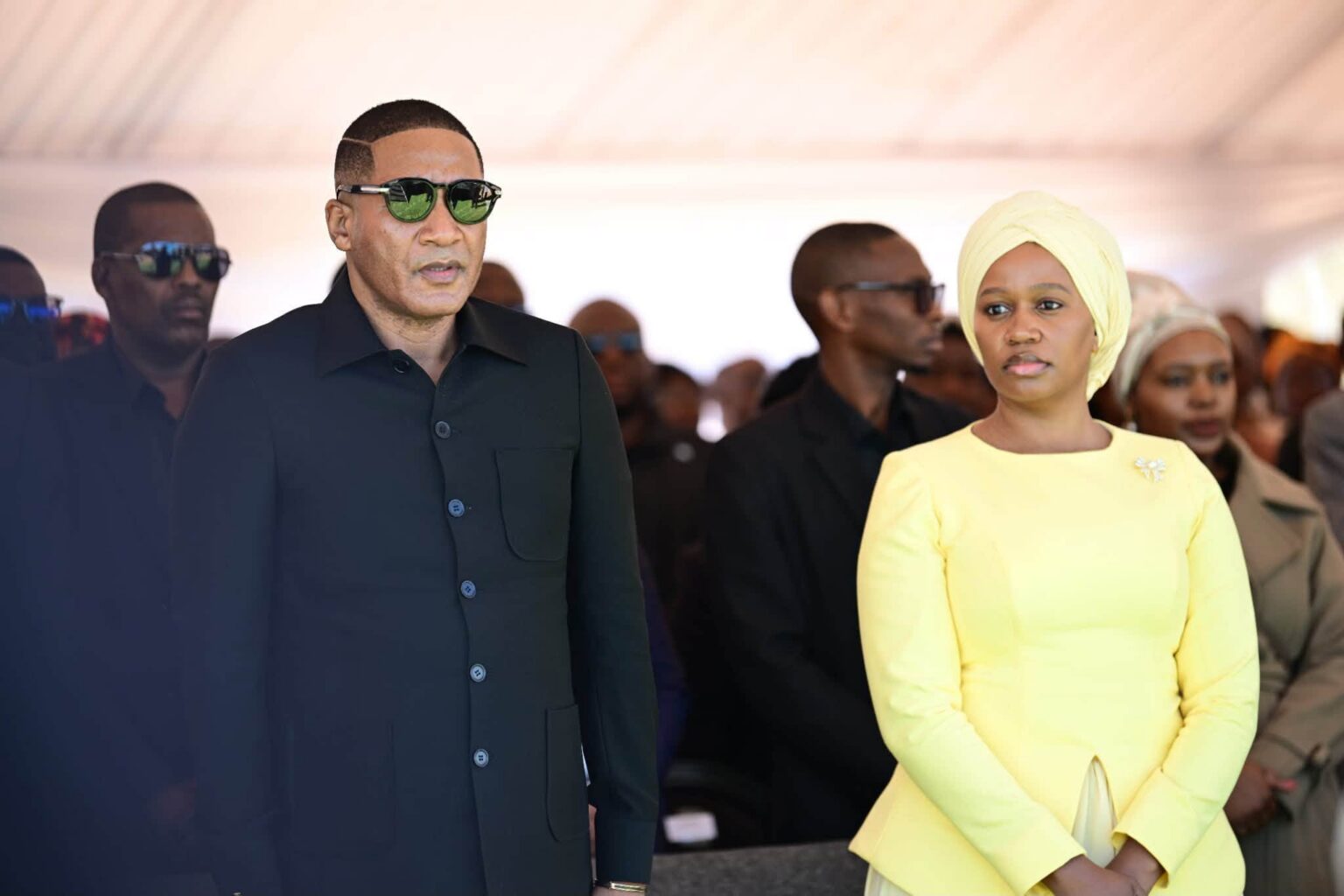
On 18 July 2026, Botswana marked a significant moment of national reflection as President Advocate Duma Gideon Boko and First Lady Mrs. Kaone Tumalano Boko led the unveiling of tombstones and a memorial monument in honor of the victims of the 2024 Mmamatlakala bus tragedy. The emotional ceremony formed part of the National Healing, Remembrance and Closure Programme, which seeks to support families affected by national tragedies while promoting unity and collective healing. Bereaved families, government leaders, community members and other dignitaries gathered to remember those who lost their lives and to pay tribute to their enduring legacy. The event was filled with messages of compassion, hope and solidarity as the nation reaffirmed its commitment to standing alongside the families who continue to carry the pain of their loss. Through the ceremony, Botswana demonstrated that remembrance is an important step toward healing and rebuilding lives after tragedy.
The Mmamatlakala bus tragedy remains one of the most heartbreaking incidents in Botswana’s recent history. The accident claimed the lives of members of the St Engenas Zion Christian Church in March 2024, leaving families, friends and communities devastated. The tragedy touched people across the country, prompting an outpouring of grief and support from citizens, faith leaders and government institutions. Since then, efforts have focused not only on honoring those who died but also on providing emotional and practical support to the surviving families. The National Healing, Remembrance and Closure Programme was established as part of these broader efforts to ensure that the victims are never forgotten and that their loved ones receive continued care and encouragement.
The unveiling ceremony carried deep emotional significance for everyone in attendance. President Boko and First Lady Kaone Tumalano Boko stood together with grieving families as the tombstones and memorial monument were officially revealed. The gathering served as a powerful reminder that the lives lost continue to hold a special place in the hearts of the nation. Rather than being viewed as a formal government event, the ceremony reflected a shared expression of compassion and respect. Families were given an opportunity to remember their loved ones in an atmosphere of dignity, reflection and unity.
During the ceremony, President Boko emphasized that the nation had come together not only to remember those who passed away but also to celebrate the lives they lived. He spoke of remembering them with love, cherishing the memories they created and holding onto the laughter they shared with family and friends. These memories, he noted, remain a source of strength even in moments of profound sorrow. He encouraged those gathered to move forward together in faith while finding comfort in the enduring presence of God. His message resonated deeply with families who continue to navigate the difficult journey of grief and recovery.
The President also reflected on the deeper meaning behind the unveiling of the tombstones and monument. He explained that the gathering represented far more than a ceremonial occasion because it expressed the nation’s collective love and compassion for those affected by the tragedy. Every tombstone stands as a permanent reminder that every human life carries immeasurable value and deserves to be remembered with dignity. By creating a lasting place of remembrance, Botswana affirmed its respect for the victims and acknowledged the lasting impact they had on their families and communities. The memorial will continue to serve as a place where future generations can reflect on the importance of life, unity and compassion.
One of the strongest messages delivered during the ceremony centered on the importance of supporting those who remain behind. While honoring the departed was the central purpose of the event, government leaders also recognized the ongoing needs of surviving family members. President Boko emphasized that remembrance should be accompanied by practical support, continued engagement and genuine care for those still living with the emotional consequences of the tragedy. He assured families that they would not face their grief alone and that the government would continue walking alongside them throughout the healing process. This commitment reinforced the broader goals of the National Healing, Remembrance and Closure Programme.
The ceremony also demonstrated the important role that faith plays in helping communities recover from devastating loss. Members of the St Engenas Zion Christian Church gathered with relatives, friends and citizens from across Botswana to pray, reflect and comfort one another. Faith leaders encouraged families to remain hopeful despite the pain they continue to experience. The shared prayers, moments of silence and words of encouragement created an atmosphere of peace and spiritual strength. These expressions of faith reminded those present that healing often comes through unity, compassion and continued support from both community and religious institutions.
Beyond honoring individual victims, the event reflected Botswana’s broader commitment to national unity during times of hardship. Tragic events often leave lasting emotional wounds that extend beyond the immediate families affected, touching entire communities and the nation as a whole. By bringing together citizens from different backgrounds, the ceremony reinforced the idea that healing is a shared responsibility. Government officials, community leaders and ordinary citizens stood together to acknowledge the pain caused by the tragedy while expressing hope for a stronger future. Such acts of collective remembrance help strengthen social bonds and remind people that compassion remains one of the nation’s greatest strengths.
The unveiling of the tombstones and memorial monument will remain an enduring symbol of remembrance for generations to come. These memorials provide families with a dignified place to honor their loved ones while preserving the memory of those whose lives were tragically cut short. They also serve as a reminder of the importance of valuing every human life and supporting one another during moments of great sorrow. Through continued engagement with bereaved families, the government aims to ensure that healing remains an ongoing process rather than a single event. As Botswana continues to move forward, the National Healing, Remembrance and Closure Programme stands as a powerful example of how compassion, faith and unity can help a nation overcome tragedy while keeping the memories of its loved ones alive.