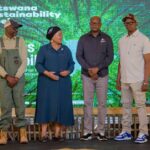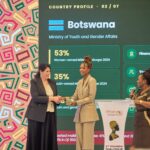

Botswana recently hosted the 11th Africa Day of School Feeding at the Royal Aria Convention Centre in Tlokweng, bringing together delegates from the African Union and key stakeholders from across the continent. The event was held under the theme: Ensuring Access to Nutritious Meals, Clean Water and Hygiene: Promoting Safety and Resilience in Every School. The gathering aimed to highlight the critical role that school feeding programs play in supporting educational outcomes, promoting student health, and building resilience in communities. Participants engaged in discussions on innovative strategies to expand access to nutritious meals while ensuring safe and hygienic conditions for children. The event underscored the continent-wide commitment to improving student wellbeing and creating sustainable school feeding frameworks.
The Africa Day of School Feeding provided a platform for sharing best practices, experiences, and challenges related to school meal programs. Delegates explored approaches to enhance the quality and nutritional value of meals served to students, recognising that proper nutrition is directly linked to cognitive development and learning performance. The discussions also emphasised the importance of providing clean water and hygiene facilities alongside meals to prevent health issues and foster safe learning environments. Speakers highlighted how well-structured feeding programs can reduce absenteeism, improve concentration in class, and support the overall growth of children. The event reinforced that investing in school feeding is an investment in the future of Africa’s human capital.
Stakeholders also addressed the need for collaborative partnerships to strengthen school feeding initiatives. Governments, non-governmental organisations, and private sector actors were called upon to coordinate efforts in funding, supply chain management, and community involvement. The event highlighted innovative models, including local food sourcing and community participation, which can enhance sustainability while supporting local economies. Delegates stressed that school feeding programs should be inclusive, targeting vulnerable and marginalized children to ensure equitable access. By combining nutritional support with educational initiatives, Africa can tackle multiple challenges, including malnutrition, poverty, and educational disparities, in a single framework.
In addition to policy discussions, the event showcased the impact of existing programs in various countries. Case studies demonstrated measurable improvements in student attendance, academic performance, and general wellbeing when schools provided consistent access to nutritious meals. Presenters emphasised that regular monitoring and evaluation are critical to scaling successful programs and adapting them to local contexts. The integration of hygiene education and clean water facilities was also highlighted as essential to maximising the benefits of school feeding initiatives. Through these measures, Africa can build resilient school systems that promote healthy development, empower students, and strengthen communities.
The 11th Africa Day of School Feeding in Botswana highlighted the vital role of nutrition, clean water, and hygiene in supporting student success and resilience. The event provided a platform for dialogue, knowledge sharing, and collaboration among African Union delegates and key stakeholders. It reinforced that well-designed school feeding programs contribute to educational achievement, health, and community development. By prioritising nutrition and wellbeing in schools, Africa can create environments where every child has the opportunity to thrive. The conference in Tlokweng underscored the continent’s commitment to ensuring that school feeding remains a cornerstone of sustainable development and child empowerment.