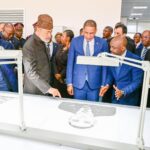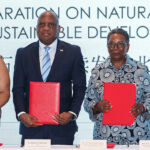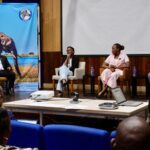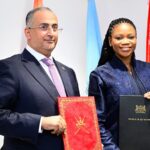
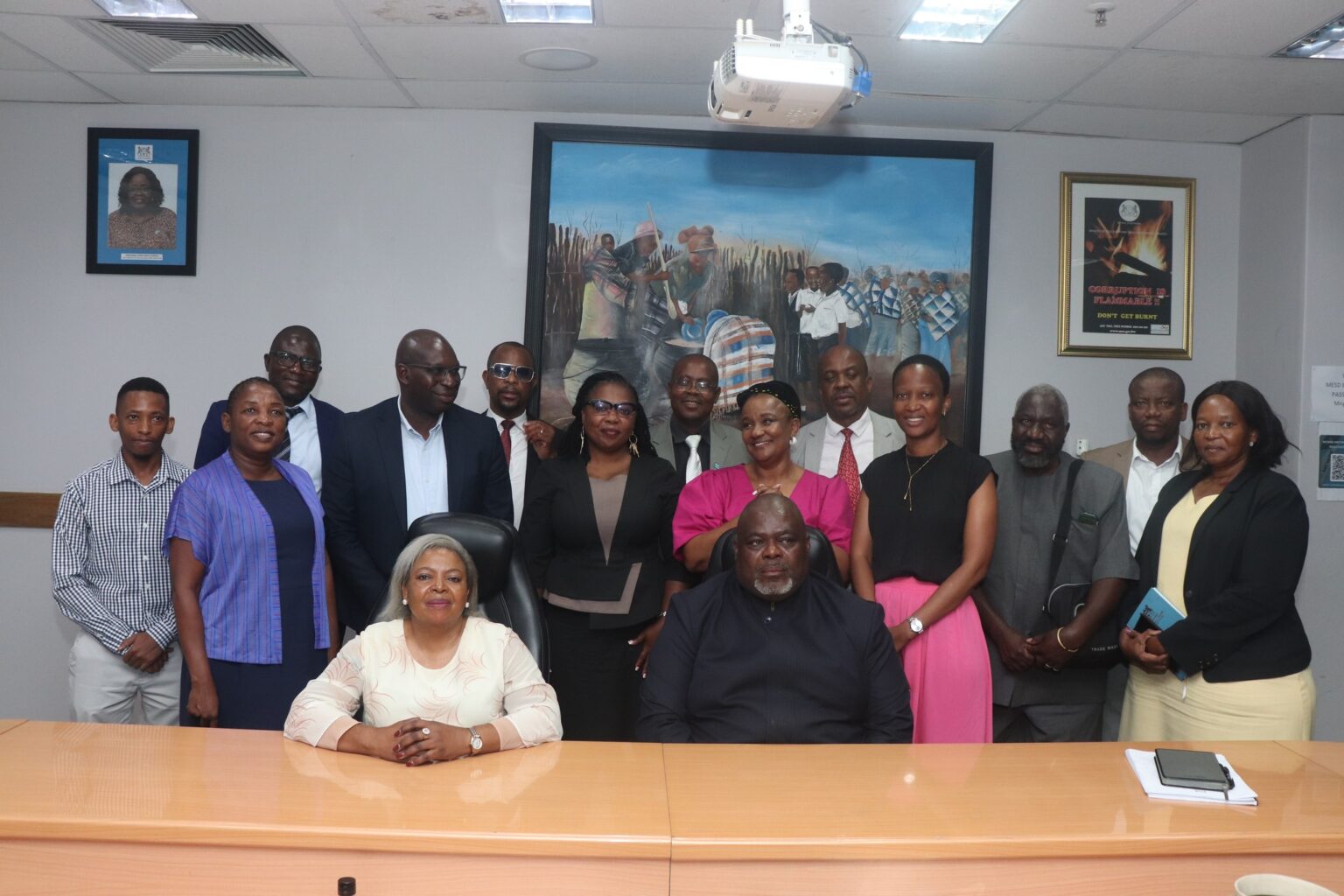
The Permanent Secretary in the Ministry of Child Welfare and Basic Education, Ms Mmamiki Kamanakao, hosted a delegation from Zambia’s Directorate of National Science Centre yesterday. The team, led by Director Professor Benson Banda, visited Botswana to evaluate how teachers trained under the Knowledge Co-Creation Program (KCCP) are applying their skills in the classroom. The visit also aimed to deepen understanding of Science, Technology, Engineering and Mathematics (STEM) education and Competency-Based Education (CBE), while supporting policy alignment for effective implementation in African contexts.
The Knowledge Co-Creation Program, delivered by Zambia in partnership with the Japan International Cooperation Agency (JICA), provides structured STEM and competency-based training to African countries. The program supports human capital development, educational reform, and innovation across the continent. During discussions, both sides explored opportunities to expand collaboration, including borderless educational initiatives that strengthen bilateral ties. These initiatives include school twinning programs, teacher exchanges, joint lesson studies, and collaborative research in STEM and CBE education.
Speaking during the engagement, Ms Kamanakao highlighted that her Ministry is relatively new and is actively overhauling the national curriculum to integrate Science, Technology, Engineering, Arts and Mathematics (STEAM) education. She explained that reintegrating the Arts into learning supports the development of well-rounded learners and fosters creativity alongside technical skills. The Permanent Secretary stressed that these efforts aim to prepare students for the demands of a modern economy while enhancing cross-border educational cooperation.
The visit underscores Botswana’s commitment to improving STEM and competency-based education while leveraging regional partnerships. Collaboration with Zambia through programs like KCCP demonstrates the country’s focus on innovation, teacher capacity building, and the creation of educational frameworks that can be adapted across African contexts.