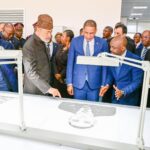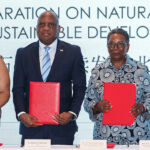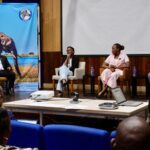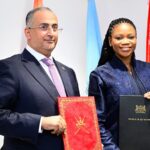
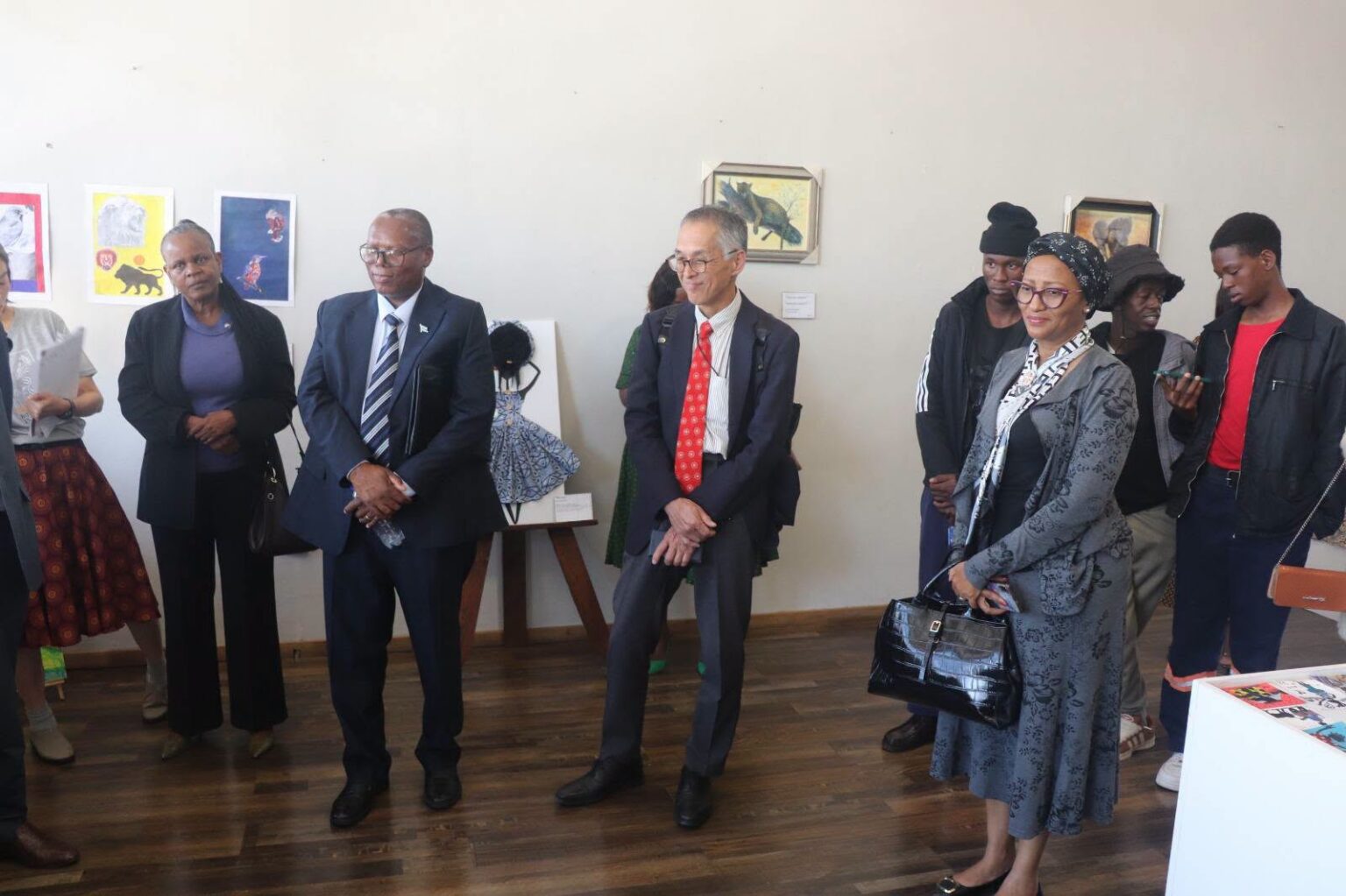
History was made at the National Museum as Deputy Permanent Secretary in the Ministry of Child Welfare and Basic Education Dr Morena Rankopo officially opened the Botswana Inclusive Art 2026 exhibition. The exhibition brings together creativity, talent and inclusion through a programme designed to give artists an opportunity to express themselves and showcase their abilities. The initiative is being held in partnership with the Japan International Cooperation Agency and the Ministry of Child Welfare and Basic Education. It also involves volunteers supporting Special Education in Art, highlighting the role of collaboration in creating opportunities for learners and artists with diverse abilities. Running from 13 to 20 September 2026, the exhibition provides an important platform for artistic expression while promoting a broader understanding of inclusion through the arts.
The Botswana Inclusive Art 2026 exhibition demonstrates how art can create opportunities for people to communicate ideas, emotions and experiences in ways that extend beyond traditional forms of communication. By bringing inclusive art into a national cultural space, the exhibition gives greater visibility to creative work produced by people with different abilities and experiences. This approach can help challenge assumptions about who can participate in artistic activities and what they can achieve. It also creates an environment where talent can be recognised on the strength of creative expression rather than limited by perceptions about disability or difference. The exhibition therefore represents both a celebration of artistic work and an opportunity to encourage wider participation in the arts.
The partnership between JICA and the Ministry adds an important dimension to the exhibition because it brings together international cooperation, government support and volunteer involvement. Volunteers supporting Special Education in Art play a role in creating opportunities for artistic development and participation. Their involvement demonstrates how inclusive programmes can benefit from collaboration between institutions and individuals who are committed to expanding access to creative activities. Such partnerships can also contribute to the exchange of knowledge and approaches to special education and inclusive artistic development. The exhibition provides a visible example of how coordinated efforts can create platforms where diverse talents receive recognition.
The National Museum provides a significant setting for the exhibition because museums play an important role in preserving and presenting cultural expression. Hosting an inclusive art exhibition in such a space gives the participating artists an opportunity to reach audiences who may not always encounter their work. Visitors can engage with the artwork while learning more about the importance of inclusion in education and the wider community. The exhibition also places creative expression within a public cultural environment where different forms of talent can be appreciated. This can help encourage conversations about accessibility, participation and the importance of providing opportunities for people with diverse abilities.
Art can play an important role in inclusive education because it gives learners different ways to explore their creativity and develop confidence. Artistic activities can involve drawing, painting, design and other forms of creative expression that allow participants to communicate according to their individual strengths. Providing access to these activities can also support social interaction and create opportunities for learners to work with teachers, volunteers and other participants. Recognition through exhibitions can further encourage artists and learners by showing that their creative contributions have value. The Botswana Inclusive Art 2026 exhibition brings these principles into focus by placing artistic ability and participation at the centre of the event.
The exhibition also highlights the importance of recognising diverse abilities within Botswana’s education and cultural landscape. Inclusion involves creating environments where people have meaningful opportunities to participate rather than simply providing access in principle. In the context of art, this means creating platforms where artists with different abilities can develop their skills, display their work and engage with audiences. Events such as Botswana Inclusive Art 2026 can help make those opportunities more visible and encourage institutions to consider how creative programmes can become more accessible. The involvement of government, JICA and volunteers also demonstrates the value of sustained cooperation in supporting inclusive initiatives.
With the exhibition running from 13 to 20 September 2026, members of the public have an opportunity to engage with the creative work and learn more about the role of art in promoting inclusion. The event provides a space where talent can be celebrated while broader conversations about diverse abilities and participation can take place. Its focus goes beyond displaying artwork because it also highlights the importance of creating opportunities for people to express themselves and contribute to cultural life. The opening by Dr Morena Rankopo marks an important moment for the initiative and draws attention to the value of inclusive creative programmes. As visitors experience the exhibition, the event can help reinforce the message that artistic talent can take many forms and deserves opportunities to be seen and appreciated.
The Botswana Inclusive Art 2026 exhibition represents an important celebration of creativity, inclusion and diverse abilities. Its partnership between the Ministry of Child Welfare and Basic Education, JICA and volunteers supporting Special Education in Art demonstrates how collaboration can help create meaningful platforms for artistic expression. The exhibition also shows how national cultural spaces can contribute to conversations about inclusion and provide visibility for creative talent. Running until 20 September, it gives the public an opportunity to experience artwork while reflecting on the importance of ensuring that people with diverse abilities can participate fully in creative and cultural activities. By placing inclusion and artistic expression at the heart of the exhibition, Botswana Inclusive Art 2026 creates a platform that celebrates talent while encouraging a more inclusive approach to the arts and education.