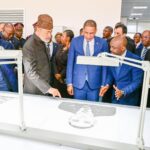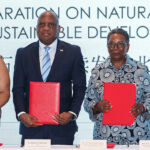
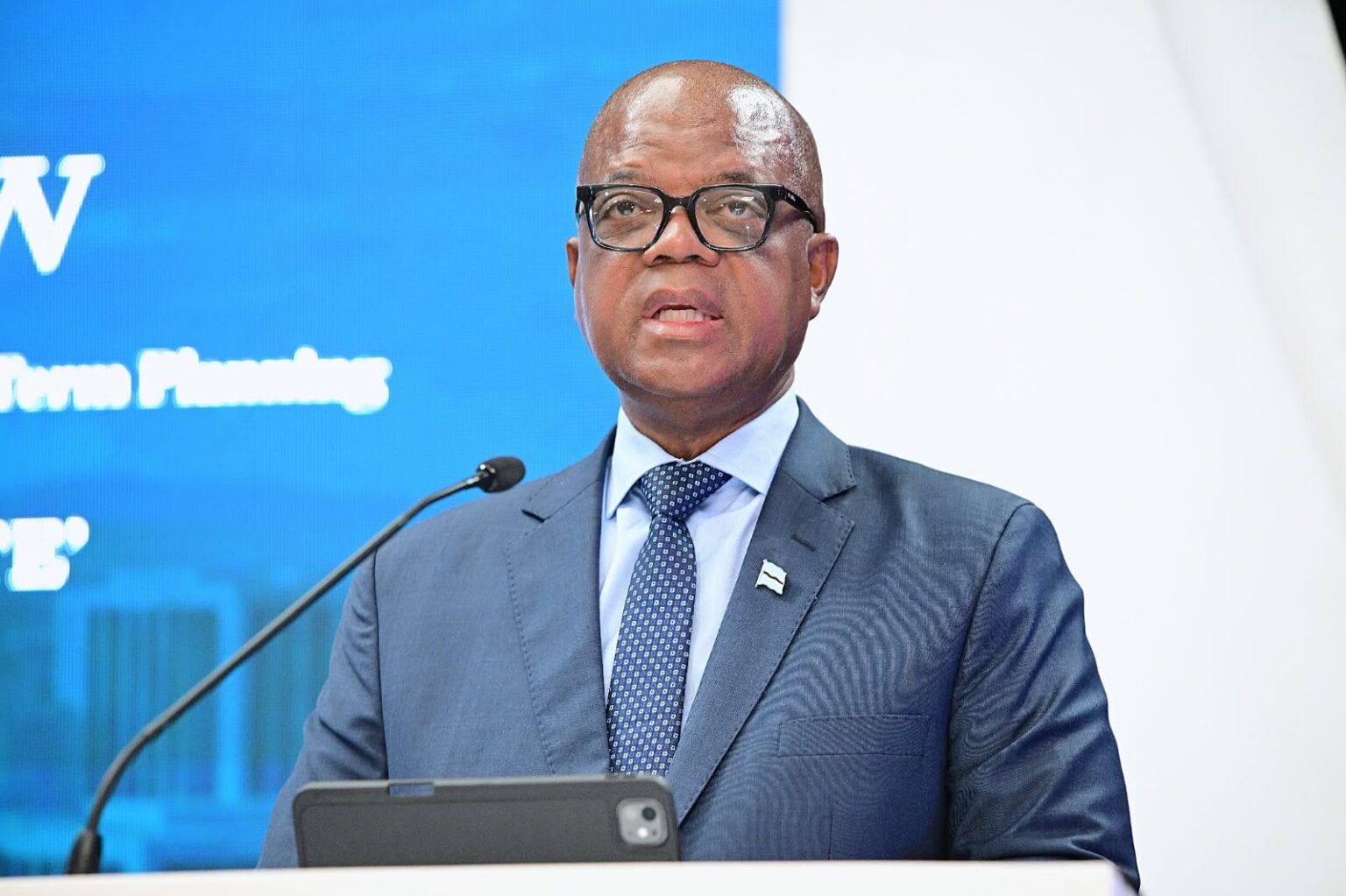
Minister for State President Moeti Mohwasa has launched the Long View High-Level Leadership Dialogue on the Economy, Energy and Climate Nexus, placing long-term planning at the centre of discussions about Botswana’s future development. The dialogue is being held under the theme “Foundation: The Long-Term Planning Imperative” and brings together stakeholders to consider how the country can strengthen its economic resilience while responding to changing energy and climate conditions. The initiative recognises that economic development, energy security and climate resilience are closely connected and require coordinated planning. It also comes as Botswana reflects on six decades of independence and considers how current decisions will affect future generations. The discussions are intended to support a development approach that combines economic diversification, sustainable resource management and inclusive participation.
The high-level dialogue is a partnership between the National Planning Commission, the University of Botswana and The Transition Think Tank. The collaboration is designed to strengthen strategic foresight and improve long-term planning as Botswana works towards sustainable development. Strategic foresight allows policymakers and other stakeholders to examine possible future conditions and consider how current decisions can prepare the country for different economic, environmental and social challenges. Bringing government, academia and policy organisations into the same discussion can also create opportunities for different forms of expertise to inform national planning. The partnership therefore provides a platform for examining development priorities from multiple perspectives while keeping Botswana’s long-term objectives in focus.
The discussions will reflect on the National Development Plan 12 and the Botswana Economic Transformation Plan as important foundations for the country’s development agenda. These frameworks place emphasis on areas such as inclusive economic growth, diversification, innovation and sustainable development. Their relevance extends beyond individual programmes because long-term development requires continuity in planning and implementation. Botswana’s efforts to diversify the economy also require investment in productive sectors, infrastructure, skills and innovation so that new sources of economic activity can develop. The dialogue provides an opportunity to consider how these priorities can remain relevant as economic, technological, energy and environmental conditions change.
A central focus of the dialogue is the relationship between the economy, energy and climate. Energy availability and affordability can influence business activity, industrial development and household welfare, while climate conditions can affect sectors such as agriculture, water resources and infrastructure. At the same time, economic decisions can influence energy demand and environmental outcomes. Participants are therefore considering how Botswana can plan for these issues as interconnected parts of the same development challenge rather than treating them as separate policy areas. Sustainable energy, renewable energy sources, energy efficiency and climate resilience have been identified as important components of the country’s long-term prosperity.
The emphasis on sustainable energy reflects the need to consider how Botswana can meet future energy requirements while strengthening the resilience of its economy. Renewable energy and energy efficiency can form part of a broader strategy for managing energy demand and reducing vulnerabilities associated with changing energy conditions. The transition towards more sustainable energy systems can also create opportunities for investment, skills development, innovation and new economic activities. However, such changes require careful planning, appropriate infrastructure and policies that take economic realities into account. Long-term dialogue can help stakeholders examine these factors together and identify areas where energy planning can support wider national development objectives.
Climate resilience is also important because environmental changes can affect economic productivity and the availability of natural resources. Botswana’s development planning must therefore consider how infrastructure, communities and productive sectors can respond to climate-related pressures. Effective resource management can help protect the country’s economic and environmental assets while supporting the needs of current and future generations. Building resilience also requires cooperation between government institutions, businesses, communities, researchers and other stakeholders. The dialogue’s focus on long-term planning creates an opportunity to examine how these relationships can contribute to more coordinated responses to future challenges.
As Botswana marks 60 years of independence, the dialogue has also highlighted the responsibility to safeguard the interests of future generations. Participants stressed the importance of managing national resources effectively and strengthening relationships that can support sustainable development. Inclusive participation remains central to this approach because decisions about the country’s economic and environmental future affect people across different communities and sectors. Giving stakeholders opportunities to contribute to national conversations can help broaden the range of perspectives considered in development planning. The focus on inclusion also supports the wider objective of ensuring that economic progress creates opportunities and benefits that extend across society.
The Long View High-Level Leadership Dialogue therefore provides a platform for Botswana to examine its development priorities through a long-term lens. Its focus on the economy, energy and climate recognises that these areas are closely linked and that decisions in one area can influence outcomes in another. The National Development Plan 12 and Botswana Economic Transformation Plan provide important reference points for discussions about diversification, innovation and inclusive growth. At the same time, sustainable energy, climate resilience and responsible resource management remain important considerations for the country’s future. As Botswana looks beyond its first 60 years of independence, the dialogue reinforces the need for planning that prepares the country to build a resilient, diversified and sustainable economy capable of delivering prosperity for current and future generations.