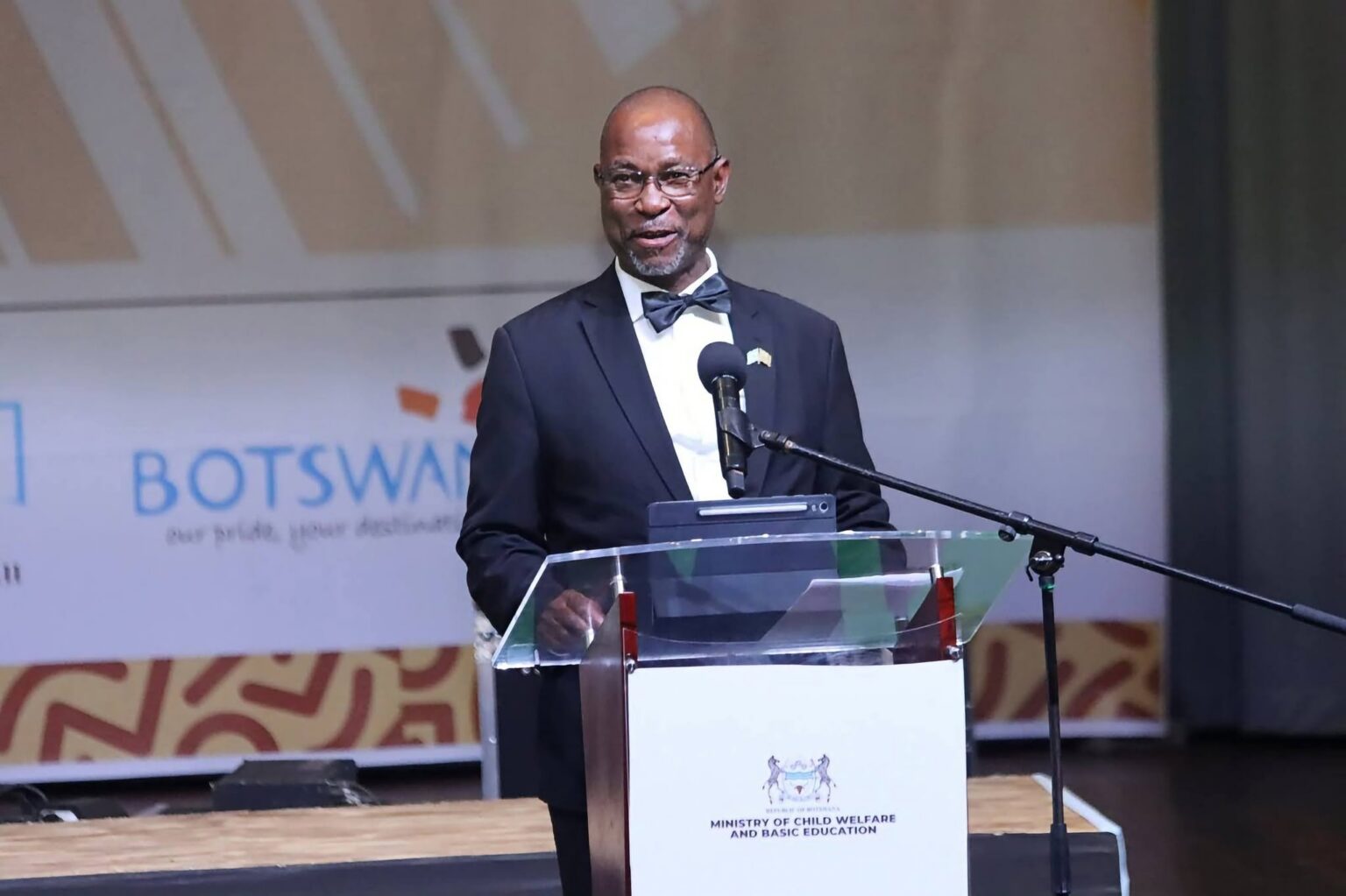
The Ministry of Child Welfare and Basic Education in Botswana has encouraged educators and arts practitioners to build on the success of the Botswana National Music Competitions by expanding opportunities for children through small arts and music clubs. Acting Minister Justin Hunyepa delivered the message while hosting a special appreciation lunch for the task team behind the recently concluded national music competitions. The event recognized the commitment, creativity and hard work that went into delivering a unified and memorable national showcase. Hunyepa praised the team for producing an event that captured the attention and hearts of people across Botswana. He also urged the team to continue using the arts to influence children’s lives and strengthen the role of creative education within the country’s new STEAM curriculum.
The Botswana National Music Competitions represented more than a celebration of musical talent, as they provided children with an opportunity to demonstrate creativity, discipline and confidence. The task team’s efforts helped bring participants together for a national platform that showcased the abilities of young people from different communities. According to the Acting Minister, the response from the public went beyond what had initially been anticipated. The success demonstrated the potential of well-organized arts programmes to connect schools, learners, educators and communities around a shared national experience. It also highlighted the important role that music and other creative activities can play in supporting children’s development beyond traditional classroom learning.
During the appreciation lunch, Hunyepa specifically encouraged the task team to maintain the momentum created by the national competitions. He emphasized the need to continue advancing the Arts component of the Ministry’s new STEAM curriculum. STEAM, which incorporates Arts into the traditional Science, Technology, Engineering and Mathematics framework, recognizes creativity and artistic expression as important elements of education. The inclusion of Arts can give learners opportunities to develop imagination, communication skills, collaboration and creative problem-solving alongside academic and technical abilities. By encouraging educators to strengthen this component, the Ministry is positioning creative activities as an important part of a broader approach to preparing children for the future.
Hunyepa’s call to establish small arts and music clubs reflects an emphasis on practical action at community and school level. Such clubs do not necessarily require large budgets or sophisticated facilities to make a meaningful difference in children’s lives. A school or community could begin with a small group of learners interested in singing, instrumental music, dance, drama, visual arts or other creative activities. Regular sessions could provide children with a structured environment where they can develop skills, express themselves and work with their peers. Starting small could also allow teachers and community leaders to identify local talent and gradually expand programmes based on the interests and needs of the children involved.
The Acting Minister assured the team that the Ministry would support these efforts, giving further encouragement to those interested in establishing arts and music clubs. Government support can help create an environment where teachers and arts practitioners feel confident about developing programmes that complement classroom education. Support could also help strengthen access to resources, guidance and opportunities for children participating in creative activities. The success of the national music competitions provides an example of what coordinated effort can achieve when people with different responsibilities work towards a common objective. Building on that experience could help turn the enthusiasm generated by the competitions into ongoing programmes that benefit learners throughout the year.
Arts education can also contribute to children’s personal development by giving them opportunities to build confidence and learn how to work as part of a team. Preparing for a performance requires commitment, practice and the ability to respond to feedback, while participating in group activities requires learners to listen to others and coordinate their efforts. These experiences can complement academic learning and help children develop skills that can be useful in many areas of life. Music in particular can encourage discipline and persistence because learners often need consistent practice to improve their performance. When these opportunities are available through schools and community clubs, more children can participate regardless of whether they intend to pursue careers in the creative industries.
The success of the national music competitions also demonstrates the potential for arts programmes to bring communities together. National events can give children a sense of belonging while allowing families, teachers and communities to celebrate their achievements. Local arts clubs could extend this sense of connection by creating regular spaces where children can learn and participate close to home. These programmes could also provide opportunities for experienced musicians, artists and educators to mentor younger participants. Over time, a network of small clubs could create a stronger foundation for identifying and developing creative talent across Botswana while giving children meaningful activities that support their overall growth.
The Acting Minister’s message places responsibility and opportunity in the hands of the same team that helped deliver the national music competitions. Their experience provides a foundation from which they can experiment with smaller initiatives and determine which approaches work best for different communities. The instruction to start small is particularly relevant because meaningful programmes can develop gradually as participation grows and additional support becomes available. What matters is creating consistent opportunities for children rather than waiting for large-scale projects before taking action. With continued commitment from educators, communities and the Ministry, these clubs could become an important part of efforts to make the Arts component of STEAM education practical and accessible.
The appreciation lunch was therefore both a recognition of past achievements and a call to continue the work. Hunyepa’s message acknowledged the task team’s contribution to an event that exceeded expectations while challenging them to use the momentum to create lasting opportunities for children. The emphasis on small arts and music clubs provides a practical pathway for extending the impact of the Botswana National Music Competitions beyond the competition itself. Continued Ministry support could help these initiatives grow while ensuring that the Arts component of STEAM remains connected to children’s everyday educational experiences. By investing in music, arts and creativity at school and community level, Botswana can give more children opportunities to discover their talents, develop valuable life skills and experience the positive impact of creative education.