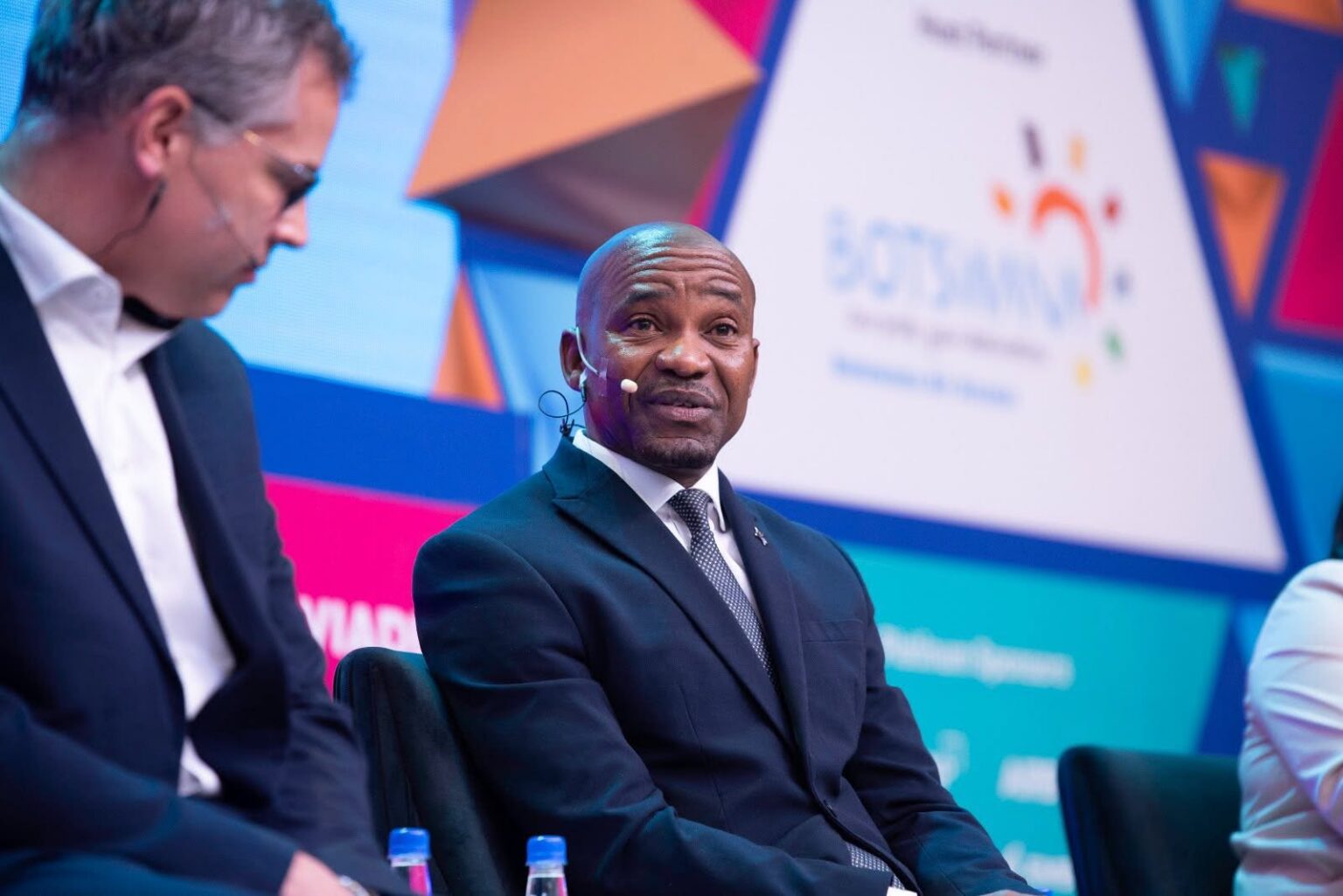
Botswana’s tourism sector took centre stage this morning as Botswana Tourism Organisation (BTO) Acting Chief Executive Officer Mr. Justice Ofentse participated in a high-level panel discussion at AviaDev Africa 2026. The session focused on the theme “Turning Tourism Demand into Air Service Opportunity,” bringing together aviation and tourism leaders from across the continent and beyond. The discussion highlighted the strong link between air connectivity and tourism growth, especially for destinations that rely heavily on international visitors. Mr. Ofentse used the platform to outline Botswana’s strategic direction and its ambition to strengthen its position in global tourism markets. His participation reinforced Botswana’s commitment to expanding air access as a key driver of economic growth.
During the panel, Mr. Ofentse emphasized the importance of regional cooperation among Southern African destinations in order to attract more airlines and improve connectivity. He noted that countries in the region often compete for similar markets, but greater collaboration could unlock stronger outcomes for all. According to him, working together allows destinations to present a more attractive and viable network for airlines seeking profitable routes. He specifically highlighted the importance of leveraging South Africa’s established position as a regional aviation hub to strengthen broader connectivity across the region. By aligning strategies, Southern African countries can position themselves as a unified and more competitive tourism block in the global aviation market.
Mr. Ofentse further explained that Botswana’s tourism ambitions are closely tied to the goals outlined under National Development Plan 12, which targets significant growth in visitor arrivals by 2033. He stated that achieving these targets will require expanded air access and stronger relationships with international carriers. Botswana is also actively seeking to diversify its tourism source markets beyond traditional regions. New focus areas include countries such as Canada, Australia, Japan, and China, which represent growing opportunities for long-haul tourism. Expanding into these markets is expected to increase visitor numbers, boost tourism revenue, and support broader economic diversification efforts.
A key point raised during the discussion was the critical role that aviation plays in unlocking tourism potential. Mr. Ofentse emphasized that without reliable and accessible air routes, even the most attractive destinations struggle to achieve sustainable tourism growth. He reaffirmed Botswana’s readiness to work closely with airlines to develop new routes and strengthen existing connections. This includes creating an enabling environment for aviation partnerships that can support both inbound tourism and investment flows. He noted that improved connectivity not only benefits tourism but also strengthens trade, business travel, and regional integration.
The panel discussion was moderated by Natalia Rosa of the Southern Africa Tourism Alliance and featured a range of industry leaders who contributed diverse perspectives on aviation and tourism development. Participants included Bronwen Auret of South African Tourism, Rupert Kraus of Discover Airlines, Keira Langford-Johnson of Proflight Zambia, and Minosoa Tatamo Rakotozafy of Ravinala Airports. Each speaker provided insights into the challenges and opportunities facing the aviation sector in Africa, particularly in relation to route development and market demand. The exchange of ideas highlighted the importance of collaboration between tourism boards, airlines, and airport operators. It also underscored the need for coordinated strategies to improve air service connectivity across the continent.
The discussions also reflected broader trends in global tourism recovery and the increasing competition among destinations to attract international carriers. Panelists examined how destinations can better communicate demand to airlines in order to justify new or expanded routes. Mr. Ofentse stressed that Botswana must actively position itself within these conversations to ensure it remains visible to global aviation partners. He highlighted the importance of data-driven decision-making in demonstrating market potential to airlines. This approach, he noted, is essential for securing sustainable air service development.
Botswana’s participation in AviaDev Africa 2026 also signals its continued commitment to strengthening its tourism industry through strategic international engagement. The country’s focus on improving air connectivity aligns with its broader economic development goals and tourism diversification strategy. By targeting new markets and improving regional cooperation, Botswana aims to increase its competitiveness in the global tourism landscape. The emphasis on aviation partnerships reflects a practical approach to addressing one of the key barriers to tourism growth in landlocked destinations. Strengthening these connections is expected to create long-term benefits for the entire tourism value chain.
The session concluded with a shared understanding among participants that air connectivity remains central to unlocking tourism potential across Africa. Mr. Ofentse’s contributions highlighted Botswana’s proactive stance in seeking partnerships and expanding opportunities within the aviation sector. His remarks reinforced the idea that collaboration, rather than isolation, will define the future of tourism growth in the region. As Botswana continues to pursue ambitious tourism targets under NDP 12, aviation development will remain a critical pillar of its strategy. The discussions at AviaDev Africa 2026 demonstrated that with the right partnerships and coordinated efforts, Southern Africa can significantly enhance its global tourism reach and economic impact.